
If we consider a child as a seed, then the prepared environment is the soil, sunlight, and water that help that seed sprout and grow in its own unique way. This is a core element that sets the Montessori method apart from many other educational approaches. So, what exactly is a prepared environment? Let’s explore it together in the article below.
1. What Is a Prepared Environment?
Many people often wonder: How is a Montessori classroom different from a traditional preschool classroom?
In a typical preschool classroom, we can easily observe a lively, noisy, and sometimes chaotic atmosphere. In contrast, the first impression when stepping into a Montessori classroom is a sense of peace, order, and neatness. What creates such a remarkable difference? The answer lies in the concept Dr. Maria Montessori called the prepared environment.
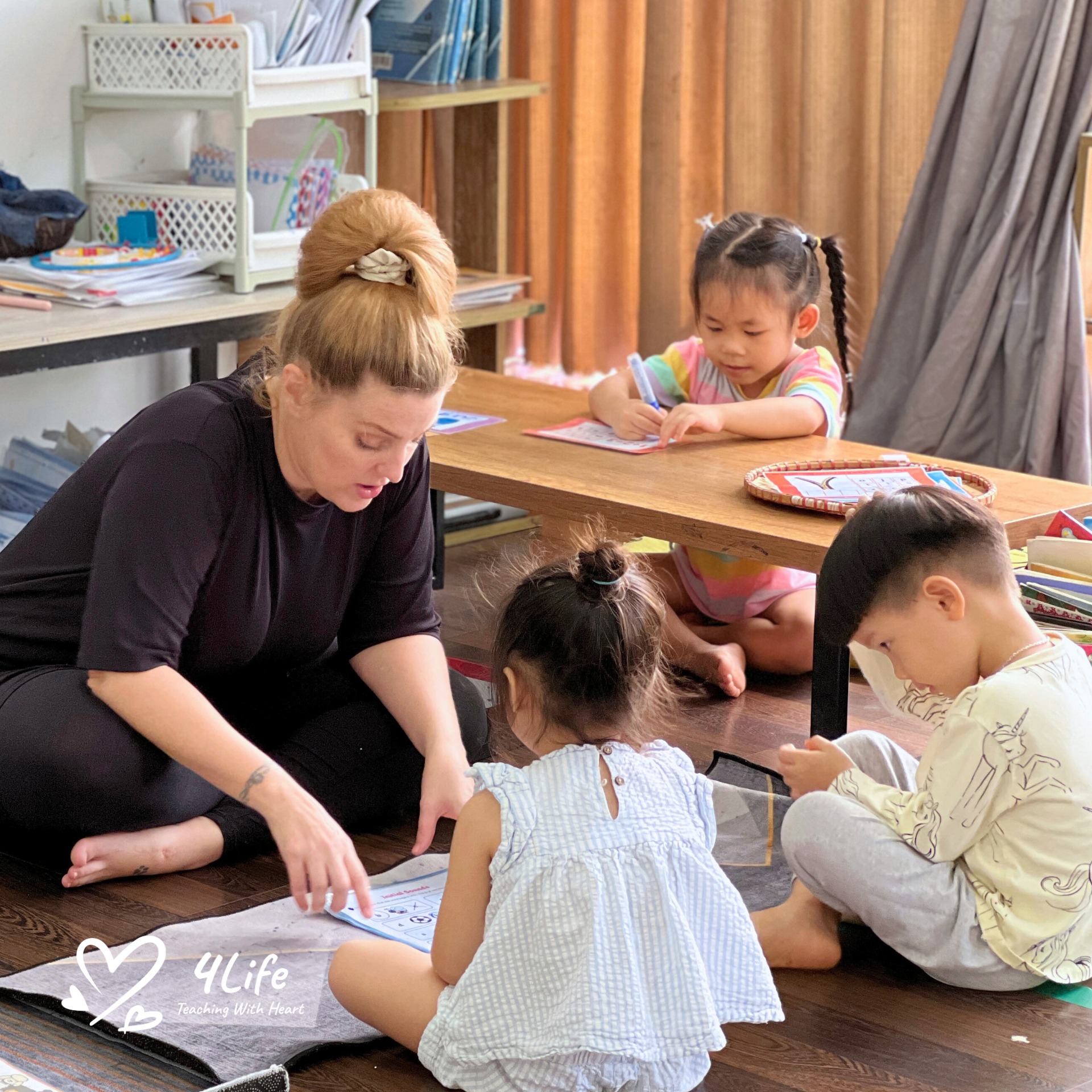
A prepared environment is the idea proposed by Maria Montessori that an environment can be intentionally designed to allow children to fully develop their capacity for self-learning and self-discovery. A prepared environment provides the freedom for children to reach their fullest potential using learning materials suited to their developmental needs. These materials range from simple to complex, and from concrete to abstract, corresponding to the age and abilities of each child.
2. The Purpose of Preparing an Environment
In her book The Secret of Childhood, Dr. Maria Montessori wrote:
“The first aim of the prepared environment is, as far as possible, to render the child independent of the adult.”
Because of this, the prepared environment is one of the fundamental pillars of Montessori philosophy. The learning space and everything the child interacts with are designed to nurture their self-education and natural exploration.
Children are born with certain potentials, but these potentials do not automatically unfold. They require a thoughtfully prepared environment that meets their needs during each developmental stage so they can progress toward their full capabilities.
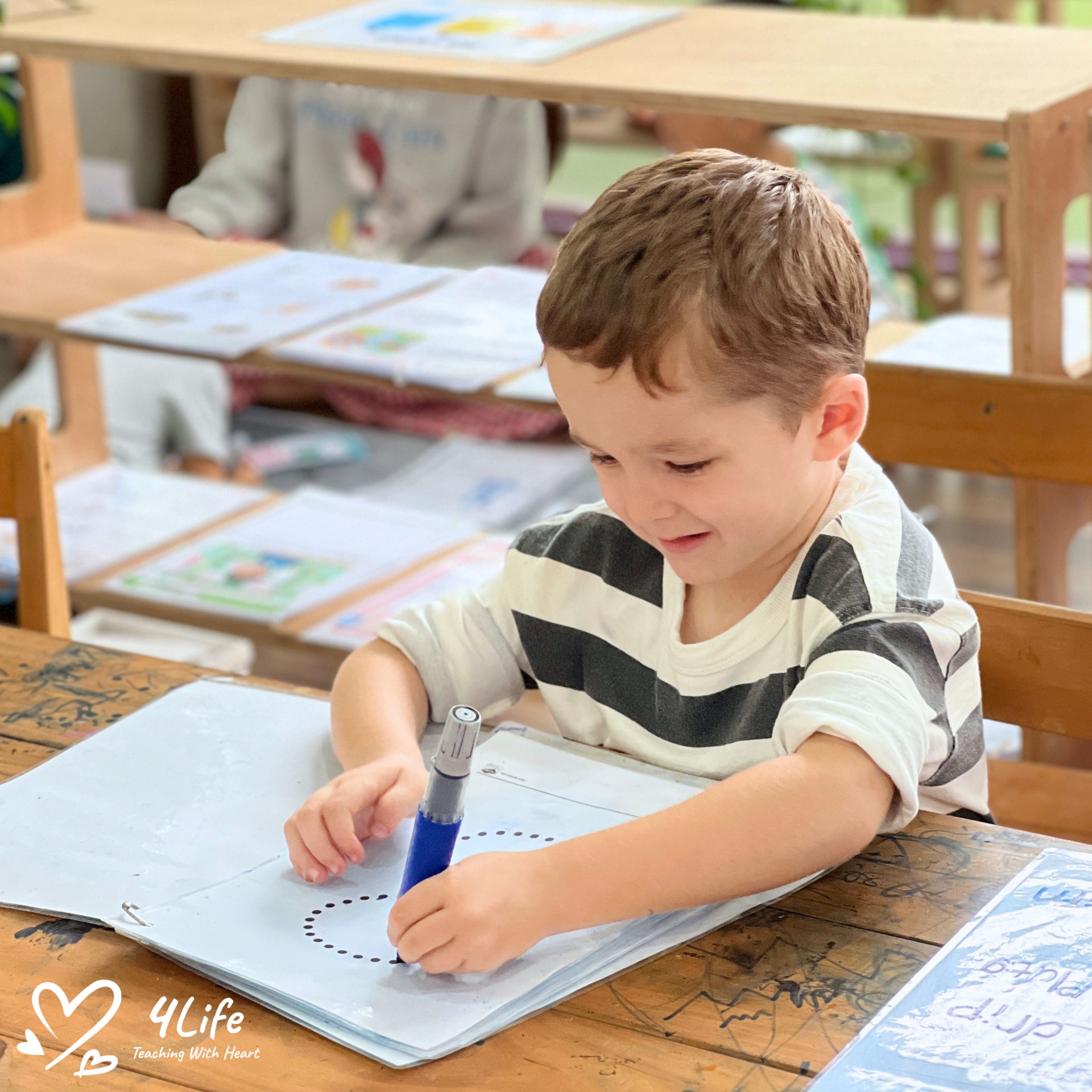
For example, an infant cannot learn to walk if they remain confined to a crib or if adults constantly hold them upright. A child learns to stand and walk when their mind and body are ready, and when they are allowed to move freely in a space where they can hold onto furniture and pull themselves up. Then, instinct and practice help them master the skill.
A Montessori classroom is designed with lessons, activities, and materials that align with each child’s developmental needs and interests. The prepared environment supports children through sensitive periods, enabling independence, confidence, and the development of their inherent abilities. It also helps cultivate responsibility, internal discipline, and a love of learning.
3. The Role of Adults in the Prepared Environment
The Montessori teacher plays the role of the preparer and custodian of the environment, responsible for maintaining its atmosphere and order. Maria Montessori believed that the role of the adult is to observe, prepare the environment, introduce children to activities, and then step back to avoid interfering.
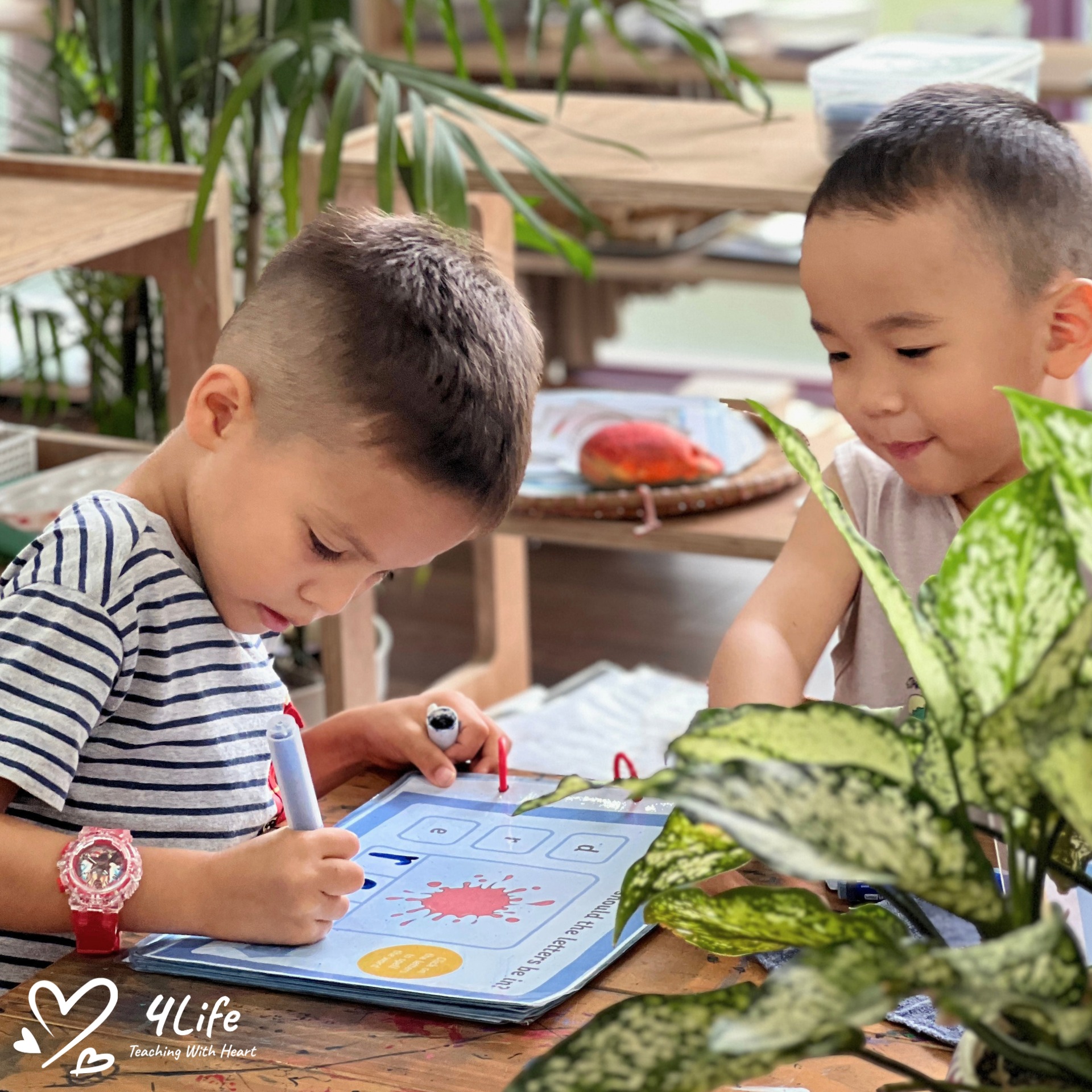
Adults should not “teach too much.” Instead, they present materials and lessons, then allow children the freedom to practice independently—making mistakes, facing challenges, and trying again. This is why she preferred the term guide rather than teacher. Adults must also ensure that children have sufficient uninterrupted time to work.
According to Adele Costa Gnocchi, one of Maria Montessori’s devoted followers, adults in a prepared environment must meet three requirements:
3.1. Believe in the child’s potential
Every child holds great human potential. Adults must view children objectively, seeing them as new individuals each day. That means letting go of yesterday’s mistakes, avoiding judgment, and focusing on the child’s unfolding abilities.
3.2. Respect each child as a unique individual
Treating children as independent beings can be challenging. Adults often categorize children by age, ability, or gender. Instead, we must learn to see each child as a unique person with their own character and strengths.
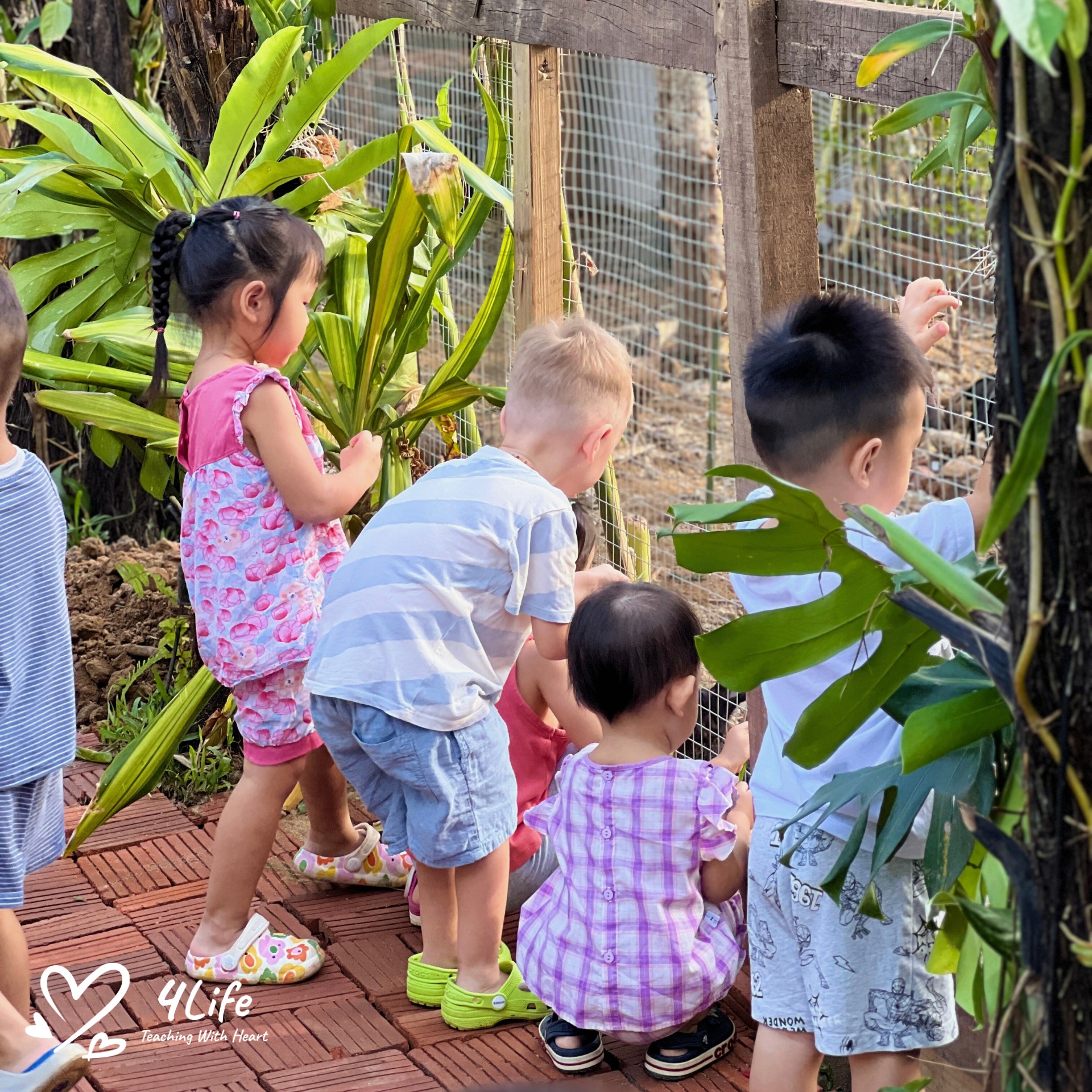
3.3. Support the child’s process of discovering the world
Adults must understand that the child intuitively knows what is necessary for their development. Children communicate this through signals. Our task is to observe, recognize these signals, trust the child, and support their needs.
A prepared environment in Montessori education is more than a tidy classroom or beautiful learning materials. It is a space that nurtures the child’s spirit and character—a place where they grow in freedom, respect, and responsibility. When raised in such an environment, children do more than acquire knowledge: they learn independence, empathy, and a genuine love for the world around them.