
Montessori is not just a teaching method but also a philosophy that nurtures children with respect and love. When love is placed at the center, children feel safe, confident, and more creative in their development. Parents and educators can create an inspiring learning environment where children are listened to and understood. Let’s explore how Montessori and love in education foster strong growth, helping children develop comprehensively in intellect, emotions, and character.
Love in the Montessori method
Montessori emphasizes placing the child at the center, not only in learning but also in how they are loved and respected. Love forms the foundation for children to feel safe, which allows them to explore the world in their own way. A child who receives genuine care builds self-trust and learns to appreciate others.
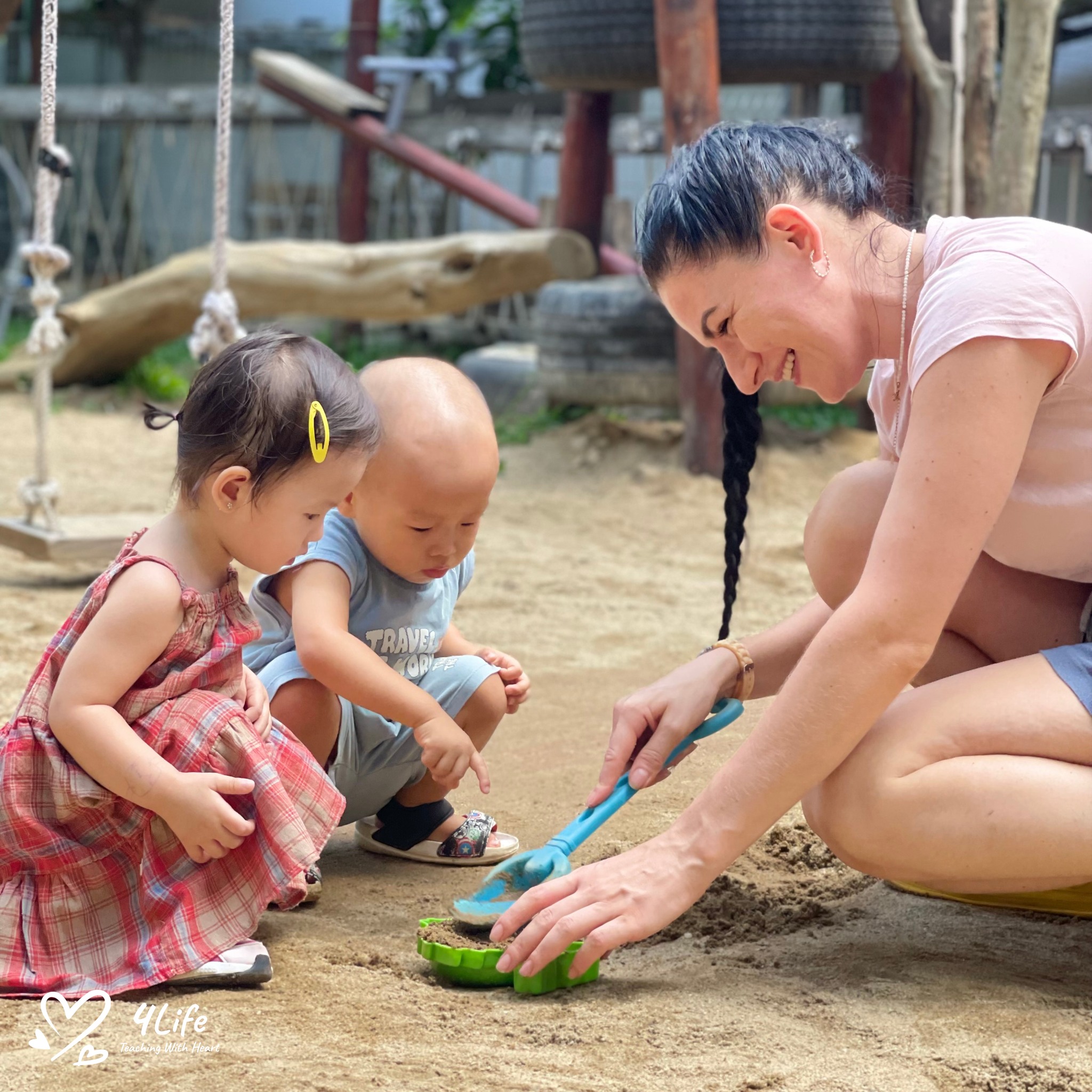
Why love is important in Montessori education?
As children grow, they need not only knowledge but also a sense of support. Montessori believes love helps children overcome fear and anxiety while nurturing courage. When raised in a loving atmosphere, children learn independence as well as cooperation and sharing with peers. Every small gesture of love can become a powerful motivation for learning and life.
Montessori encourages confidence and creativity
A loving educational environment gives children the courage to try and make mistakes. Montessori does not impose but offers opportunities for choice, self-exploration, and problem-solving. Free from fear of judgment, children can express imagination and creativity. This is why love is considered the spark that nurtures confidence in children.
Love is closely linked to respect
Montessori teaches that love is inseparable from respect. When parents and educators respect children’s emotions and thoughts, children learn to respect others. Respect is shown not only by listening but also by giving children autonomy and encouraging them to act according to their abilities. In this way, children learn responsibility and appreciate their own value.
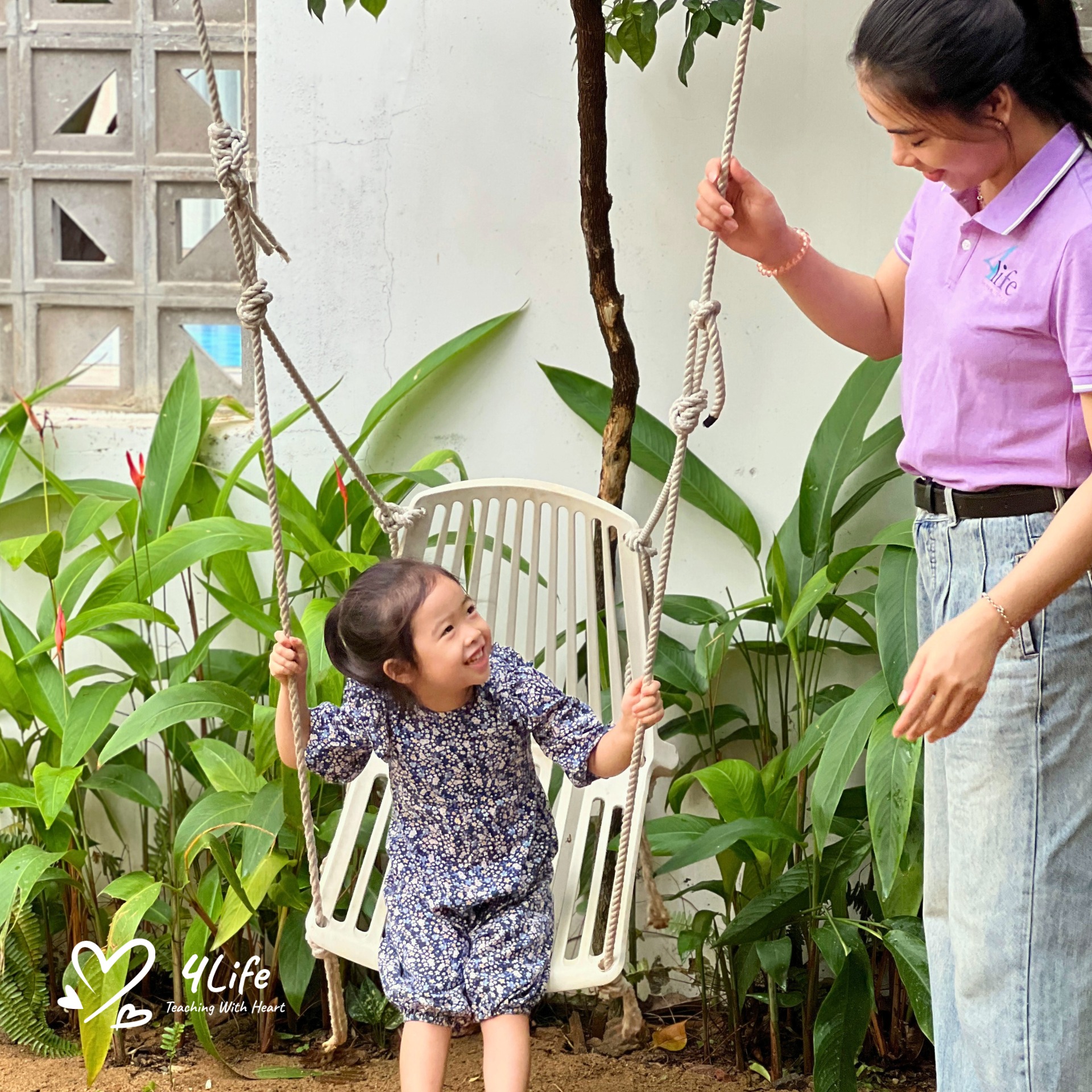
The role of parents in nurturing love
Parents are the first to sow seeds of love in children. It doesn’t require grand gestures—sometimes a compliment, a warm hug, or patiently listening to their stories is enough. Montessori believes that when parents model love and calmness, children follow suit and learn to treat others gently. This is a long-term journey that requires patience but yields enduring results.
A loving environment in Montessori classrooms
In Montessori classrooms, teachers are not only instructors but also companions. Each child is observed and guided according to their own pace, without comparison or pressure. Love is shown through encouragement and trust in the child’s ability to complete tasks. When children feel respected and valued, the classroom becomes a space where they can freely express themselves and develop naturally.
Love helps children build strong character
Children raised in a loving environment often develop positive character traits, empathy, and care for others. Montessori believes education is not just about knowledge but also about nurturing a kind human being. When children are loved appropriately, they learn to manage emotions, resolve conflicts peacefully, and build sustainable relationships in the future.

Montessori and love in education are keys to children’s holistic development. When love becomes the foundation, children not only learn better but also value themselves, respect others, and live harmoniously. Parents and teachers who accompany children with sincere love provide the most meaningful gift, helping children grow up happy and confident as they step into life.