
How to help children become more confident and courageous every day is a concern shared by many parents throughout their parenting journey. Some children are shy and hesitant to express themselves, while others easily lose confidence when facing difficulties or are afraid of making mistakes and being criticized. In reality, confidence and courage are not fixed inborn traits; they are gradually developed through a child’s environment and the way parents accompany and support them each day.
When children are respected, given opportunities, and allowed to try – and even fail – within a safe environment, they slowly begin to trust themselves. In this article, 4Life Education invites parents to reflect on seemingly small daily habits that can have a powerful impact on building children’s confidence and courage in a natural and sustainable way.
Confidence and courage begin with a sense of emotional safety
A child can only be courageous when they feel emotionally safe. This sense of safety does not come from overprotection, but from unconditional love. When children know that their parents will still listen to and respect them even when they make mistakes or fall short, they become less afraid to try new things.

On the other hand, frequent scolding, comparison, or pressure can cause children to withdraw in order to protect themselves from emotional harm. Therefore, helping children become more confident every day begins with creating a family environment where they can truly be themselves, without feeling the need to meet unrealistic expectations.
Giving children the right to choose within clear boundaries
When children are given choices, they feel that their opinions matter. Simple decisions – such as choosing clothes, selecting a meal from a few options, or deciding which activity to do – help children practice decision-making and independence. What matters most is that parents set clear and appropriate boundaries so children can choose within a safe framework.
Through each choice, children learn responsibility and gradually build trust in their own abilities. This is one of the most effective ways to nurture confidence and courage – without lengthy lectures or advice.
Allowing children to do things themselves and accept imperfection
Out of love, many parents tend to do things for their children to save time or avoid mess. However, when children are not given the chance to do things themselves, they also lose the opportunity to recognize their own abilities. Tasks such as putting on shoes, tidying up toys, or solving small problems give children a powerful sense of “I can do it.”
Even if the outcome is not perfect, the process matters far more. When parents patiently observe and offer support only when necessary, children learn to try again without fear. Helping children become more confident every day lies in giving them the right to do, rather than demanding perfection.
Listening to children with full attention
When children share their stories – no matter how small – parents should listen with genuine attention. Being heard helps children feel that their voices matter. Conversely, when children are frequently interrupted or judged, they may become reluctant to express their thoughts.
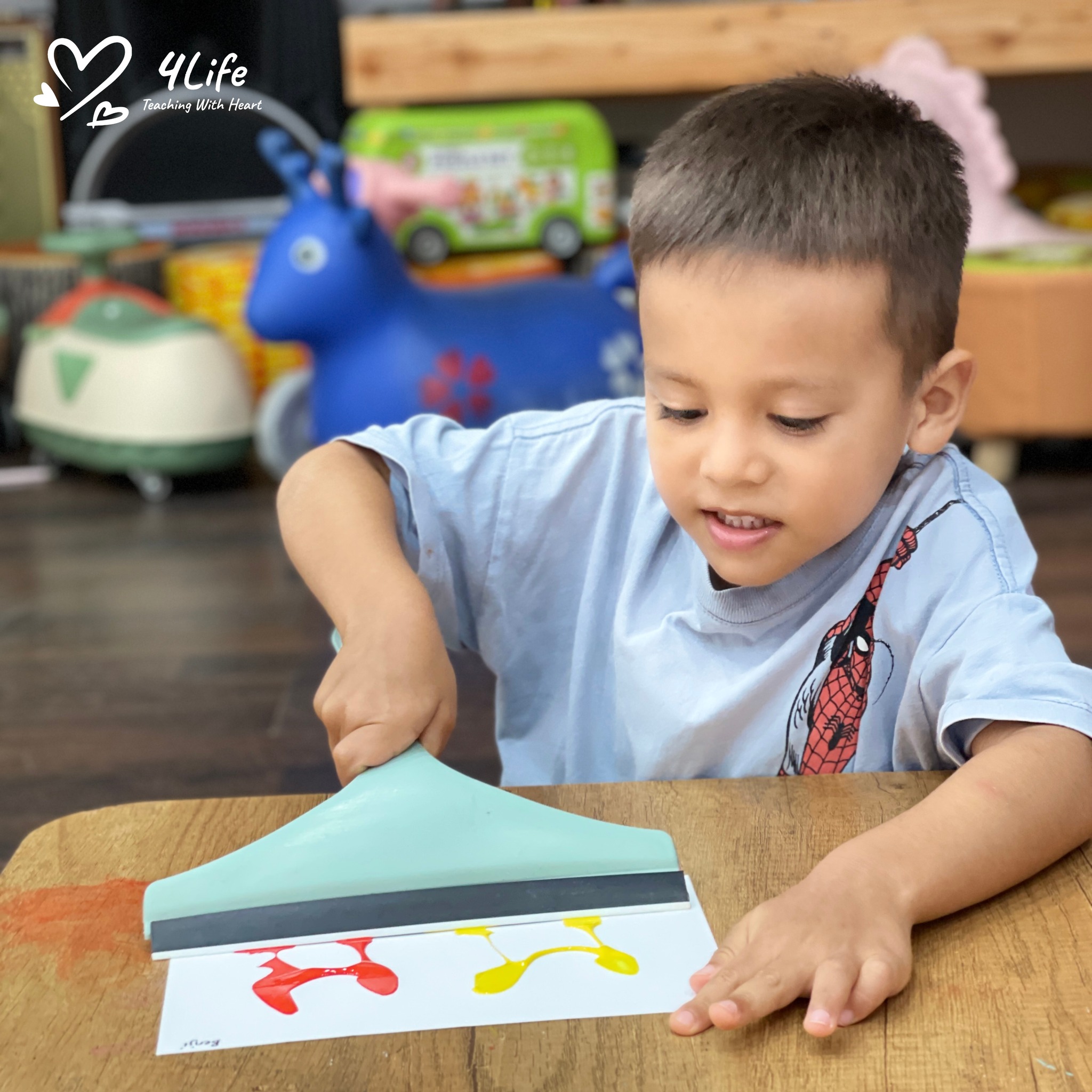
Listening does not mean agreeing with everything a child says; it means acknowledging their feelings and perspectives. When children feel heard, they learn to trust themselves and express their opinions more confidently. This is a vital foundation for building daily confidence.
Real-Life experiences help children overcome dear of mistakes
Children with limited experiences often fear making mistakes because they do not know what will happen. In contrast, children who are regularly exposed to real-life experiences learn that mistakes are a natural part of learning. Activities such as baking, gardening, physical play, or group activities allow children to engage with the real world.
Through each attempt, children learn to adjust, try again, and move forward. These experiences teach them that failure is not as frightening as it seems, helping them become more confident when facing new challenges.
Avoid comparing children to others
Comparison is one of the quickest ways to damage a child’s self-confidence. When compared to others, children may doubt their own worth or feel pressured to become someone else to gain approval. Instead of comparing, parents should focus on their child’s personal progress over time.
Every child develops at their own pace, and timely recognition helps them feel valued. Helping children become more confident every day is not about being better than others, but about believing they are on the right path for themselves.
Acknowledge effort, not just results
Praise can be a powerful motivator – when used correctly. Rather than praising children only for success, parents should recognize the effort and process behind their attempts. This helps children understand that their value does not depend solely on outcomes.

When effort is appreciated, children are more willing to try new things without fearing failure. This is a highly effective yet often overlooked way to build daily confidence and courage.
Parents as role models of confidence
Children learn a great deal by observing their parents’ behavior. When parents are willing to try new things, admit mistakes, and stay calm in the face of challenges, children naturally follow suit. Conversely, frequent self-doubt, anxiety, or fear of failure in parents can influence children in the same way.
By demonstrating authentic confidence – not perfection – parents teach children that confidence does not mean never making mistakes, but having the courage to face them. This is a life lesson no lecture can replace.
Building small daily habits to nurture confidence
Confidence is not built through one big event, but through small habits repeated every day. Allowing children to prepare their own belongings, greet others, or express their thoughts may seem simple, but these actions carry great meaning.
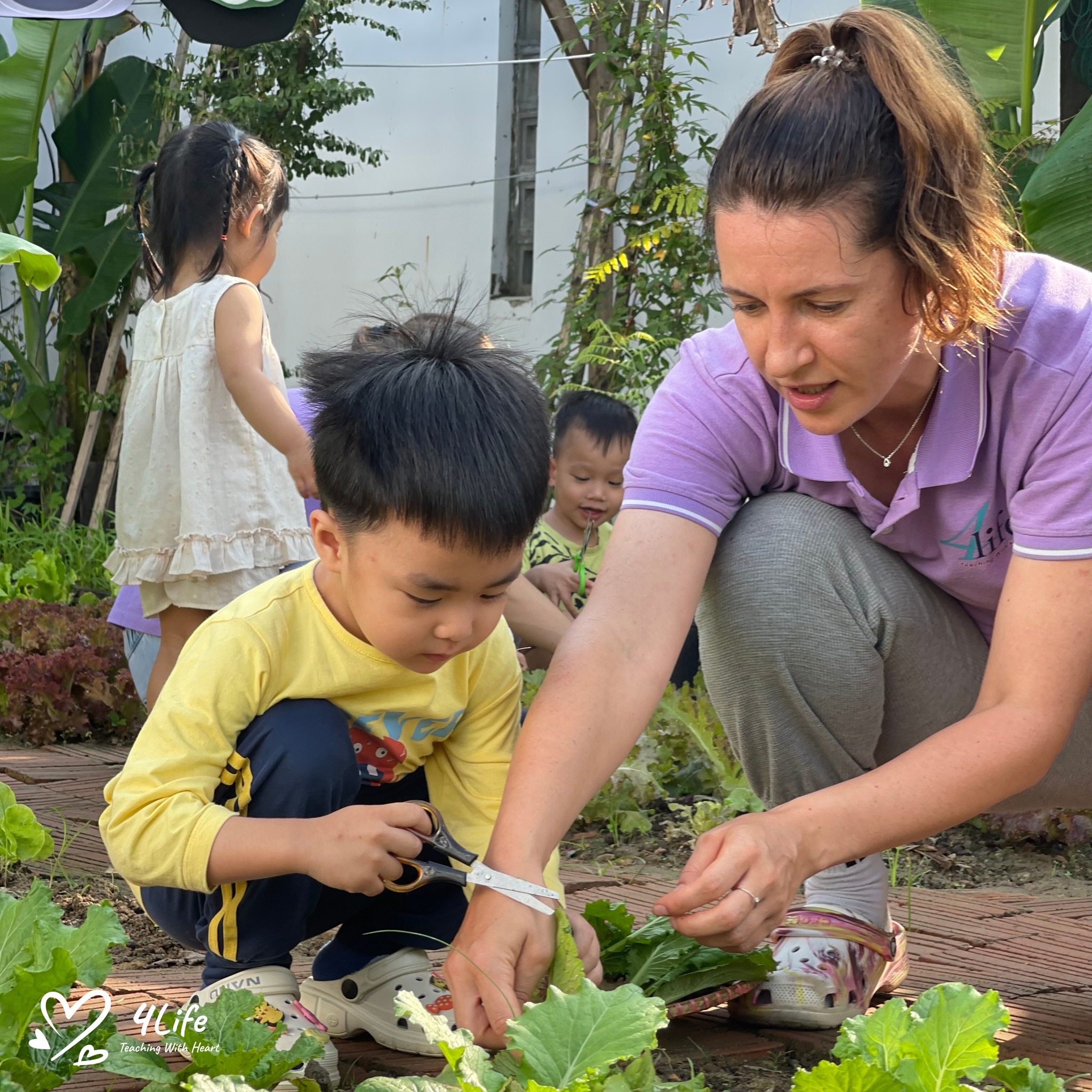
When these behaviors become routine, self-expression feels natural rather than intimidating. Parents can start with gentle changes, maintaining consistency and patience. If you are looking for more practical ideas to support your child, explore this article and other parent-focused resources with 4Life Education.
Helping children become more confident and courageous every day is not about forcing them to be bold, but about creating the right environment for them to grow at their own pace. When children are listened to, respected, trusted, and encouraged to experience the world, confidence and courage develop naturally. Every small action parents take today contributes to raising a child who believes in themselves tomorrow. Patience, understanding, and companionship are the keys to supporting children on their journey toward confident growth.