
Consistency in parenting is a core element that is often overlooked on the journey of raising children. Many families love their children deeply and invest a great deal of time and effort, yet unintentionally leave their children confused by constantly changing rules. Something may be allowed today but forbidden tomorrow; sometimes parents are strict, other times overly lenient. Children who grow up in such inconsistency often struggle to develop self-discipline and have difficulty understanding where safe boundaries lie. When parents maintain consistency in their parenting approach, children feel secure, clearly understand expectations, and gradually build the ability to self-regulate.
This article from 4Life education aims to help parents better understand the role of consistency and how to apply it gently and appropriately in everyday family life.
Consistency Creates a Sense of Security for Children
Young children need a stable environment to develop emotionally and behaviorally. When parents are consistent in their parenting, children know what is acceptable, what is not, and what is expected of them. This clarity allows children to feel secure as they explore the world around them, without anxiety or the need to test limits excessively. In contrast, when rules change constantly, children may feel uneasy or continuously test to see when parents will “give in.” Consistency serves as a solid framework that children can rely on throughout their growth and development.
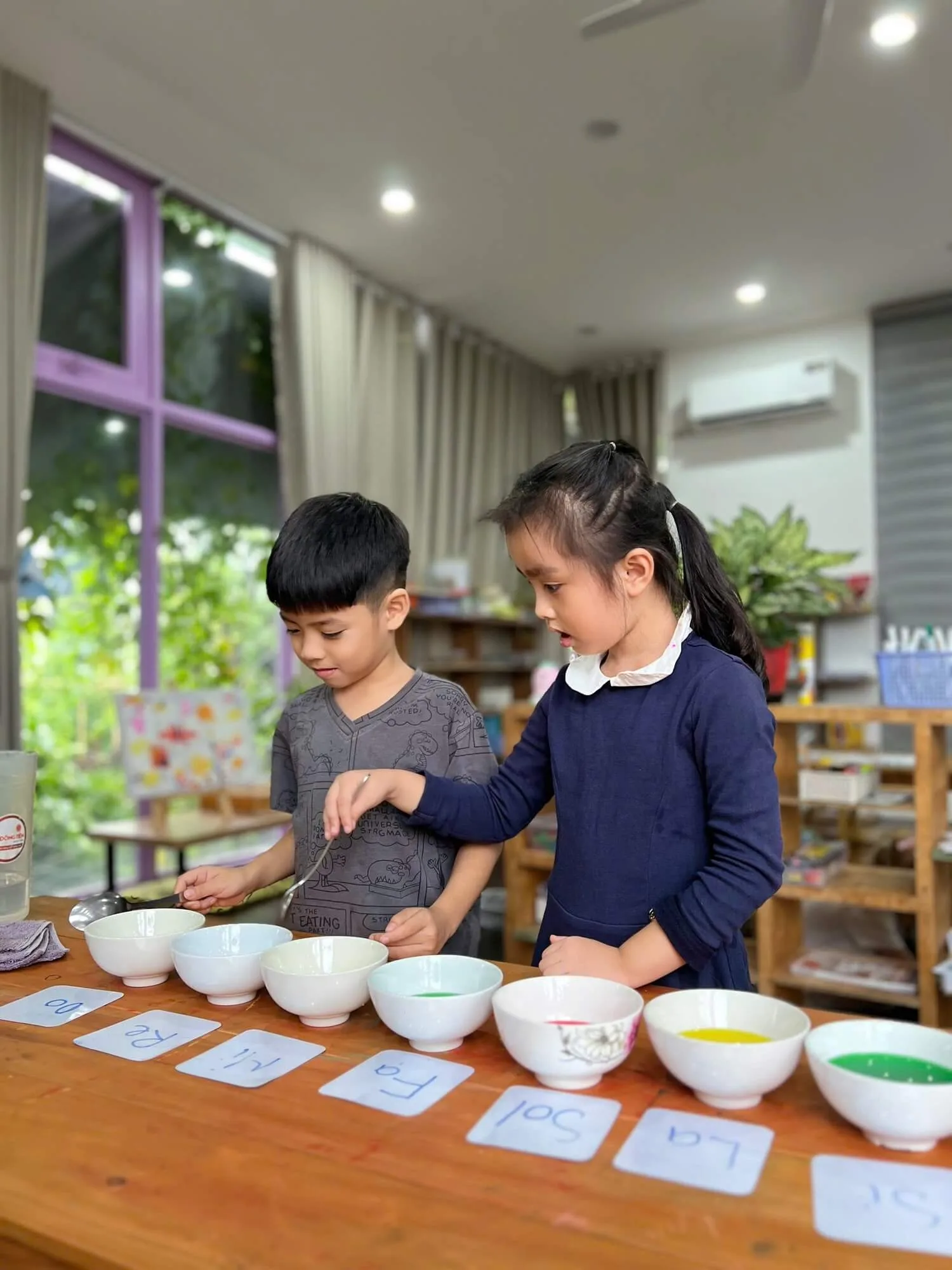
Consistency Does Not Mean Rigidity
Many parents worry that being consistent will make them overly strict. In reality, consistency is not about imposing rules rigidly; it is about holding firm to core principles while remaining flexible in how they are applied. For example, meal times or bedtimes can be kept regular, while the way parents support their child can adapt to the child’s age and needs. When children sense steadiness paired with understanding, they are more likely to cooperate and learn how to adjust their own behavior.
Inconsistency Leaves Children Feeling Lost
When the same behavior is corrected one day but ignored the next, children struggle to understand what the standard truly is. Over time, they may become oppositional or rely heavily on adults’ moods to decide how to act. Consistent parenting helps children develop the ability to evaluate their own behavior, rather than merely reacting to their parents’ attitudes. This is an essential foundation for building self-discipline, replacing obedience driven by fear or coercion.
The Role of Parents in Maintaining Unity
Consistency is not the responsibility of just one parent; it requires agreement among all caregivers. When one parent says “no” and another says “yes,” children quickly learn to take advantage of these differences. This is not the child’s fault, but a result of a lack of unity. Parents need to communicate and agree on basic family principles, then carry them out consistently together. When the messages children receive are clear and aligned, they are more likely to understand and follow them.
Consistency in Daily Routines
Daily routines are where consistency in parenting is most clearly reflected. Regular schedules, organizing belongings, and involving children in household tasks should all be maintained consistently. When children know that each day follows a familiar rhythm, they naturally develop discipline without the need for constant reminders. Consistency in these small, everyday matters helps children understand that responsibility is a natural part of life.

Consistency in Responding to Children’s Emotions
Consistency is important not only in managing behavior, but also in responding to children’s emotions. When children feel sad, angry, or frustrated, parents’ ways of listening and offering support should be stable and reliable. If parents are patient and attentive one day but dismissive the next, children may learn to suppress their emotions or express them in extreme ways. Emotional consistency in parenting helps children learn to recognize, accept, and regulate their own feelings.
Consistency Helps Build Self-Discipline
Self-discipline does not come from strict control, but from children clearly understanding boundaries and willingly following them. When consistency in parenting is maintained over time, external rules gradually become internal standards. Children behave appropriately not because they fear punishment, but because they understand what is right. This is the long-term goal many parents strive for in raising their children.
Patience Is the Key to Consistency
Maintaining consistency is not easy, especially during times when parents feel tired or under pressure. However, each time parents patiently reinforce a principle instead of letting it slide, children learn that what is said is serious and reliable. Consistent parenting does not require perfection, but rather sustained effort and a steady attitude over time. When parents make mistakes, acknowledging them and making adjustments is also a valuable way to teach children about responsibility.

Building Consistency Through Love and Respect
Consistency becomes gentler and more effective when it is grounded in love and respect. Children are more willing to accept rules when they feel that parents act in their best interest, rather than to control them. When parents offer age-appropriate explanations and maintain a calm demeanor, children are more likely to cooperate. If parents are looking for practical and relatable perspectives, 4Life Education offers further insights in this article to help apply consistency in everyday family life.
Consistency in parenting is the bridge between love and discipline. When parents remain firm in core principles while being flexible and understanding in practice, children grow up feeling secure and clear about expectations. Over time, they develop self-discipline, learn to take responsibility, and regulate their own behavior. The quiet efforts parents make today will become a strong foundation for their children’s character and independent lives in the future.