
Freedom in Montessori education is one of the most important principles, but it is also one of the most commonly misunderstood. Many people believe that giving children freedom means allowing them to do whatever they want without limits or guidance. However, Montessori views freedom in a deeper way. Children are free to choose activities, explore, and develop according to their natural needs, but this freedom always comes with necessary limits and respect for others.
When placed in a suitable environment, children gradually develop concentration, self-control, and inner discipline. Join 4Life Education in this article to gain a clearer understanding of the nature of freedom in Montessori education and the role freedom plays in a child’s journey toward maturity.
Freedom in Montessori education is not indulgence
When it comes to giving children freedom, many parents worry that their children will become stubborn, disobedient, or lack discipline. This concern often comes from the belief that freedom means children are allowed to do whatever they want. However, in Montessori, freedom never means a lack of boundaries or indulgence. Children are free to make choices within a properly prepared environment, where clear limits exist to protect safety, individual rights, and mutual respect.
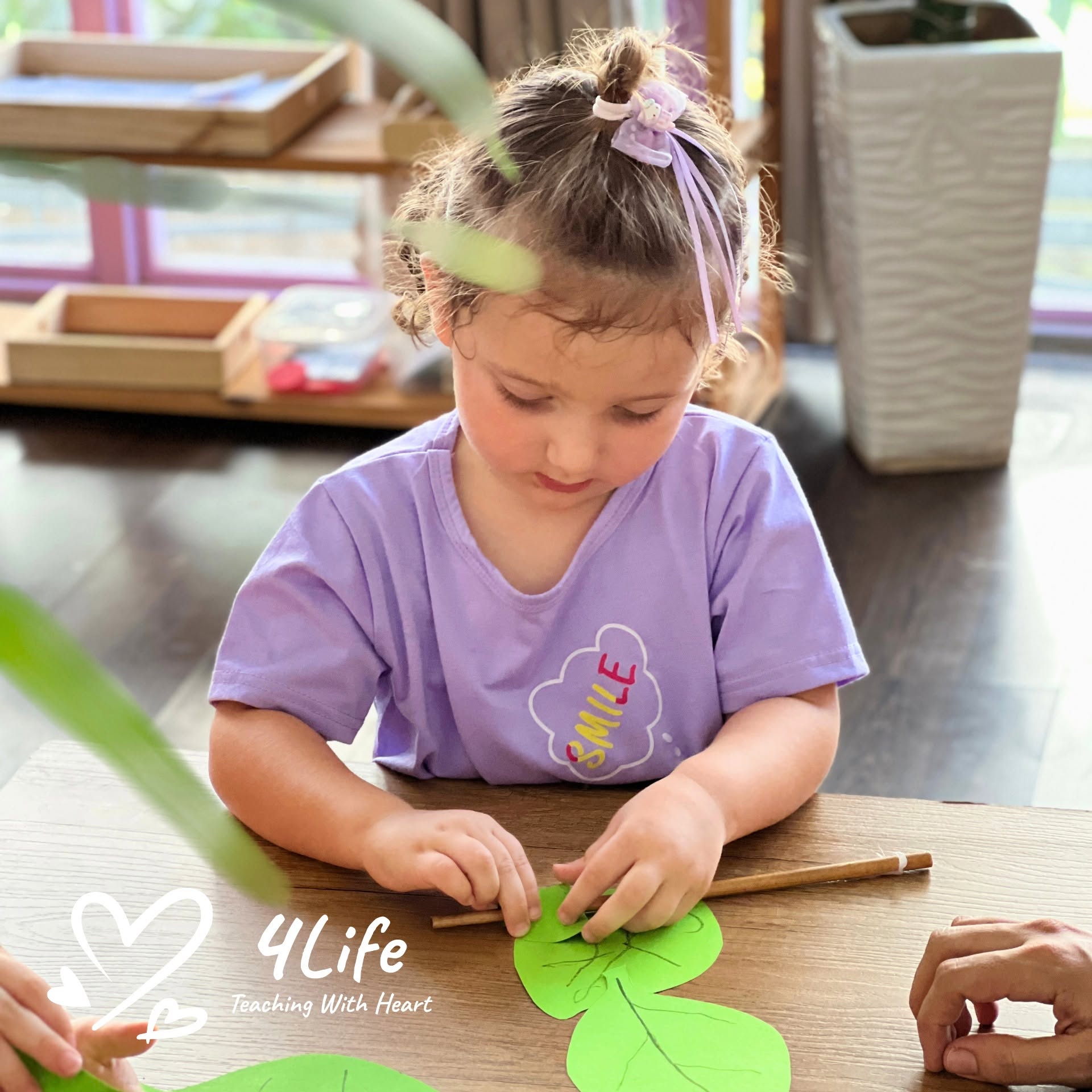
A child may choose the activity they want to do, but they may not disturb others. A child may freely explore objects, but may not destroy them or take someone else’s belongings. Children are encouraged to express their needs, but they also need to learn how to respect the people around them. These limits give freedom meaning and become the foundation for children to develop the ability to regulate their own behavior.
Why do children need freedom of choice?
During the process of development, children do not learn best simply because adults tell them that they must learn. Children learn more deeply when they participate in activities that meet their needs and interests. When given the freedom to choose, children have the opportunity to listen to their inner interests and actively seek out the things they want to explore. This is the first step toward developing intrinsic motivation instead of acting only for rewards or external control.
When children find an activity that suits them, they often tend to repeat it many times. Repetition helps children gradually understand more clearly how an activity works, recognize the patterns of things, and improve their skills. This process also creates deep concentration. Therefore, freedom in Montessori education does not simply allow children to make choices; it also creates the conditions for them to develop concentration and self-directed learning.
Freedom helps children develop concentration
A child who is free to work in a suitable environment may spend a great deal of time on something that truly interests them. Children may repeat the same action over and over, try different approaches, and find solutions to problems on their own. During this process, adults should not rush to intervene simply because they think the child is working slowly or is not doing something in the way they expect.
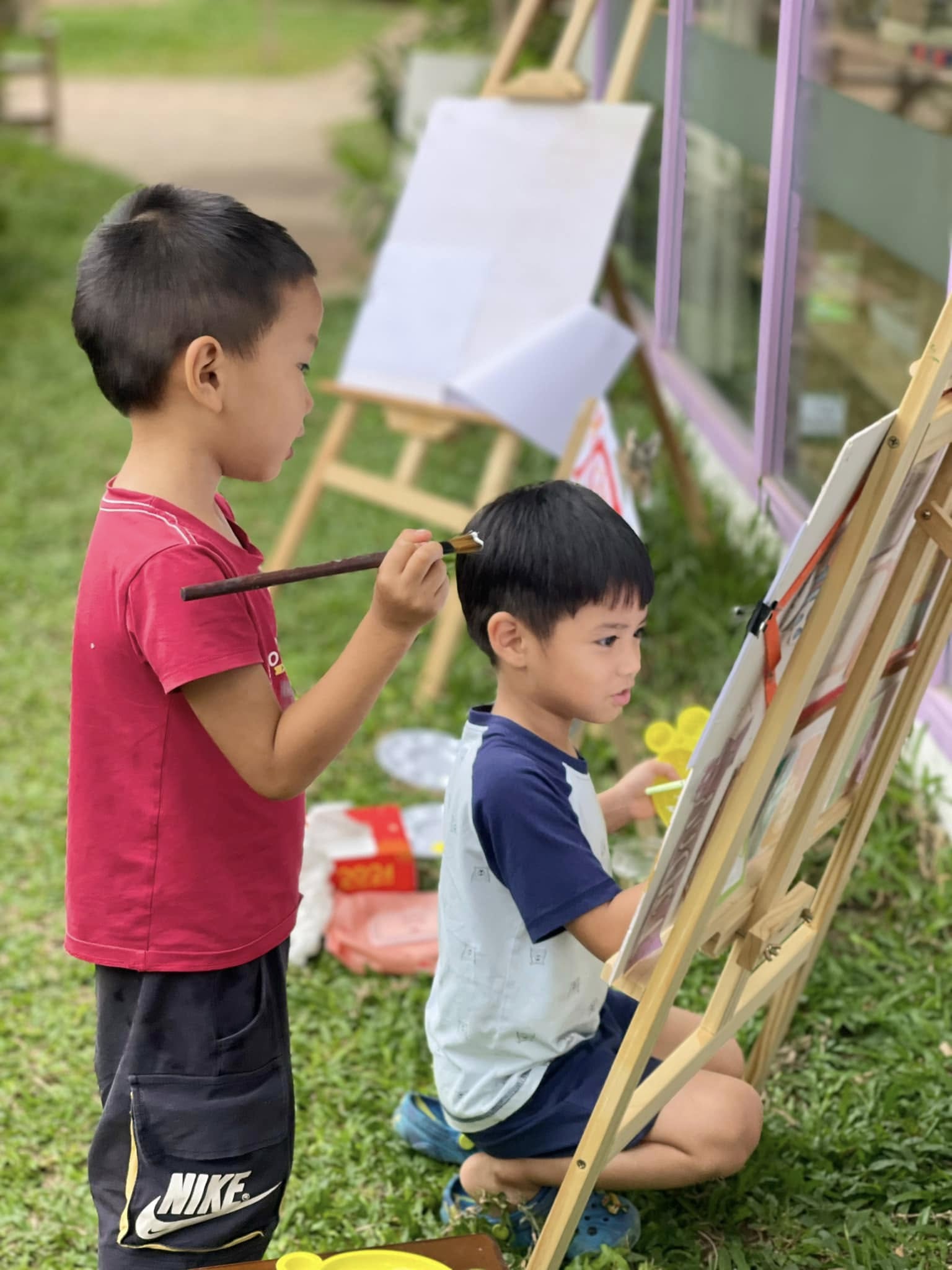
Children’s concentration needs time to develop. When children are allowed to work without being constantly interrupted, they gradually develop the ability to maintain their attention. From concentration, children begin to develop order in their thoughts and actions. They learn what they want to do, what they need to complete, and how to persist with a task for a longer period of time.
Discipline is formed through freedom
One of the important ideas in Montessori is that true discipline does not come from force. When adults constantly give orders, control, or punish children, children may temporarily obey, but they may not necessarily develop the ability to control themselves. When adults are not present, children may continue to act according to their own desires because they have not truly understood the reasons behind the rules.
In contrast, when children are free to experience things, they have the opportunity to observe for themselves and recognize the patterns of the world around them. Children gradually understand that every action leads to certain results. From there, they learn to adjust their behavior voluntarily. This is the profound connection between freedom in Montessori education and the development of inner discipline.
Children need freedom within clear limits
Freedom cannot be separated from limits. An environment with absolutely no rules will not help children develop and may instead leave them feeling lost. Therefore, adults need to establish basic and consistent boundaries in everyday life.
Children need to understand that they have the right to make choices but may not hurt others. They may use materials, but they need to take care of them. They may participate in activities they enjoy, but they need to respect other people’s space and working time. These limits are not intended to restrict development. Instead, they help children understand that their freedom is always connected to responsibility.
The role of the environment in giving children freedom
A suitable environment allows children to act freely, safely, and purposefully. Materials should be placed where children can independently take and return them. The space should be orderly so that children can easily observe, choose, and move around. When the environment is prepared according to children’s abilities, they have more opportunities to carry out activities in daily life independently.
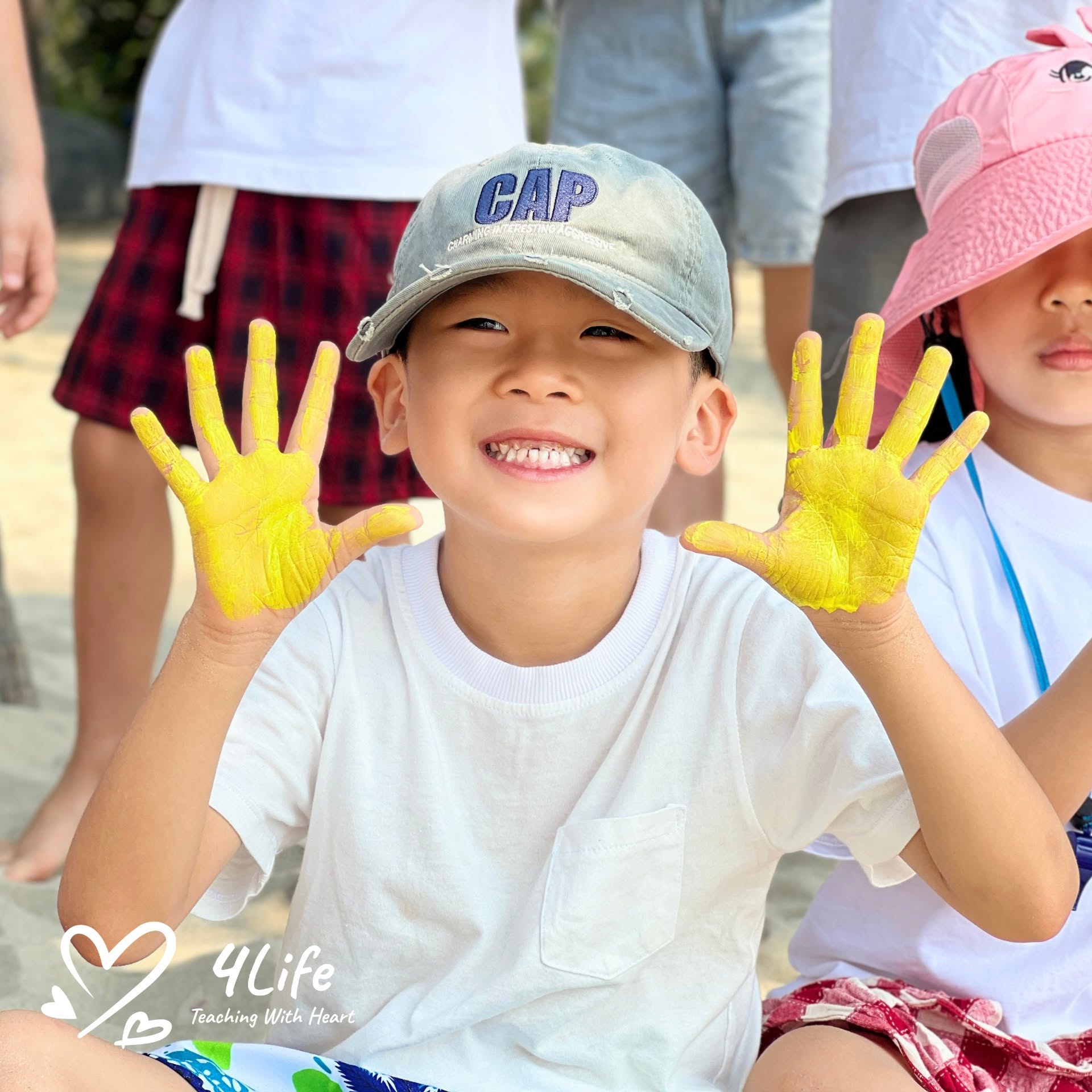
The environment should also create conditions that allow children to concentrate. When children are deeply engaged in their work, adults should not arbitrarily interrupt them simply to ask questions or provide guidance when it is not yet necessary. The quiet and orderly environment helps children maintain their attention while gradually developing the habit of working with purpose.
What should adults do when giving children freedom?
To practice freedom in Montessori education, adults need to learn to observe children instead of constantly intervening. Observation helps parents understand what children are interested in, where they are experiencing difficulties, and when they truly need support. When children are able to solve a problem on their own, adults should create opportunities for them to do it themselves instead of quickly doing it for them.
This does not mean leaving children without support. Adults still need to provide guidance, establish limits, and ensure children’s safety. However, support should be sufficient to allow children to develop independence. When children are trusted, they gain more motivation to challenge themselves and learn how to take responsibility for their own choices.
Spontaneous activities should not be unnecessarily interrupted
Young children often have a strong need to move, explore, and experiment. They may want to pour their own water, dress themselves, organize their belongings, or repeat an activity that adults consider simple. These activities may not produce perfect results immediately, but they are highly meaningful to the development process.
If adults frequently prevent children from trying because they are afraid that children may spill something, damage something, or slow down their work, children may gradually develop a fear of making mistakes. They may no longer actively explore and instead wait for adults to guide them. Therefore, parents should consider carefully before intervening and give children opportunities to experience things on their own within safe limits.
Freedom helps children develop self-mastery
When adults always make decisions for a child, the child may gradually lose the ability to listen to their own needs. They may not know what they want, what they like, or what they should do without someone else’s guidance. In contrast, being given appropriate choices helps children gradually develop self-mastery.

Self-mastery does not appear immediately. It is formed through small decisions made every day. Children choose an activity, begin their work, persist until it is completed, and put materials away when they finish. Each small step contributes to building independence and responsibility. This is one of the important values that freedom in Montessori education brings to children.
Children need to learn through real-life experiences
One of the best ways for children to understand the world is through direct experience. When children spill water, they can learn how to clean it up. When they drop an object, they can learn how to pick it up. When they encounter difficulties during an activity, they can try again in a different way.
These experiences help children understand the relationship between actions and consequences. Children do not simply hear adults tell them what they should do; they discover it directly through real-life experiences. Through this process, children gradually develop judgment and the ability to regulate their own behavior.
Freedom helps children develop their personality
The goal of Montessori is not only to help children acquire knowledge but also to support the holistic development of their personality. A child who can make choices, think independently, solve problems, and take responsibility for their actions will have a stronger foundation throughout the process of growing up.
When children are respected, they also learn to respect others. When they are trusted, they have the opportunity to develop confidence. When they are free within appropriate limits, they learn to balance their personal desires with shared rules. All of these elements contribute to the development of an independent personality with the ability to exercise self-control.
Freedom and discipline are not opposites
Many people believe that if they want children to be disciplined, they must control them strictly, while giving children freedom will make it difficult for them to follow rules. However, Montessori shows that these two principles can coexist and support each other.
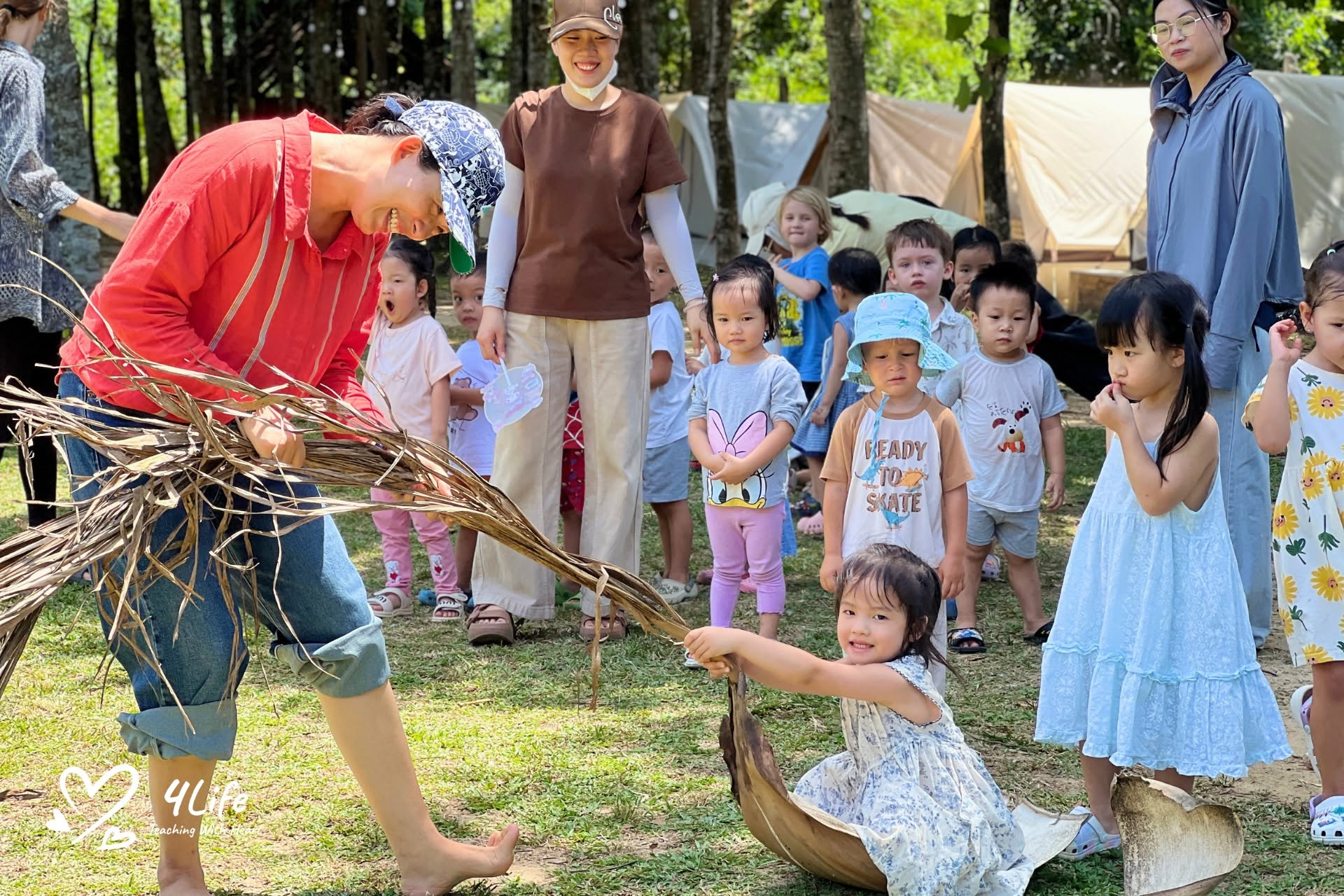
Freedom gives children opportunities to choose, explore, and experience. Discipline helps them learn how to use that freedom responsibly. When children are given freedom in the right way, they gradually understand that they cannot negatively affect others. When they understand limits, they no longer need adults to constantly control them. Therefore, freedom in Montessori education is not the absence of discipline; it is a path that helps children gradually develop discipline from within.
Parents need patience when giving children freedom
When parents begin giving children more autonomy, they may notice that children do not immediately know how to use their freedom. Some children may become noisy, run around, or not yet know how to choose appropriate activities. This can happen as children become familiar with a new environment.
The important thing is for parents to remain patient and consistent. Children need time to understand limits, experience consequences, and gradually develop inner order. If adults give children freedom but quickly take control whenever children make mistakes, children will have fewer opportunities to learn from their own experiences.
Healthy freedom needs to go hand in hand with observation, respect, and clear limits. With enough time, children will gradually find a balance between their personal desires and the rules that are necessary in life.
Freedom in Montessori education does not mean allowing children to do whatever they want or eliminating all limits in the process of raising them. It means giving children the opportunity to choose, explore, experience, and develop the ability to master themselves within a safe and orderly environment. When children are given freedom in the right way, they gradually develop concentration, self-discipline, self-regulation, and a sense of responsibility. Therefore, understanding freedom correctly in Montessori education will help parents accompany their children in a more appropriate way, allowing them to develop naturally while gradually building a strong foundation of discipline.