
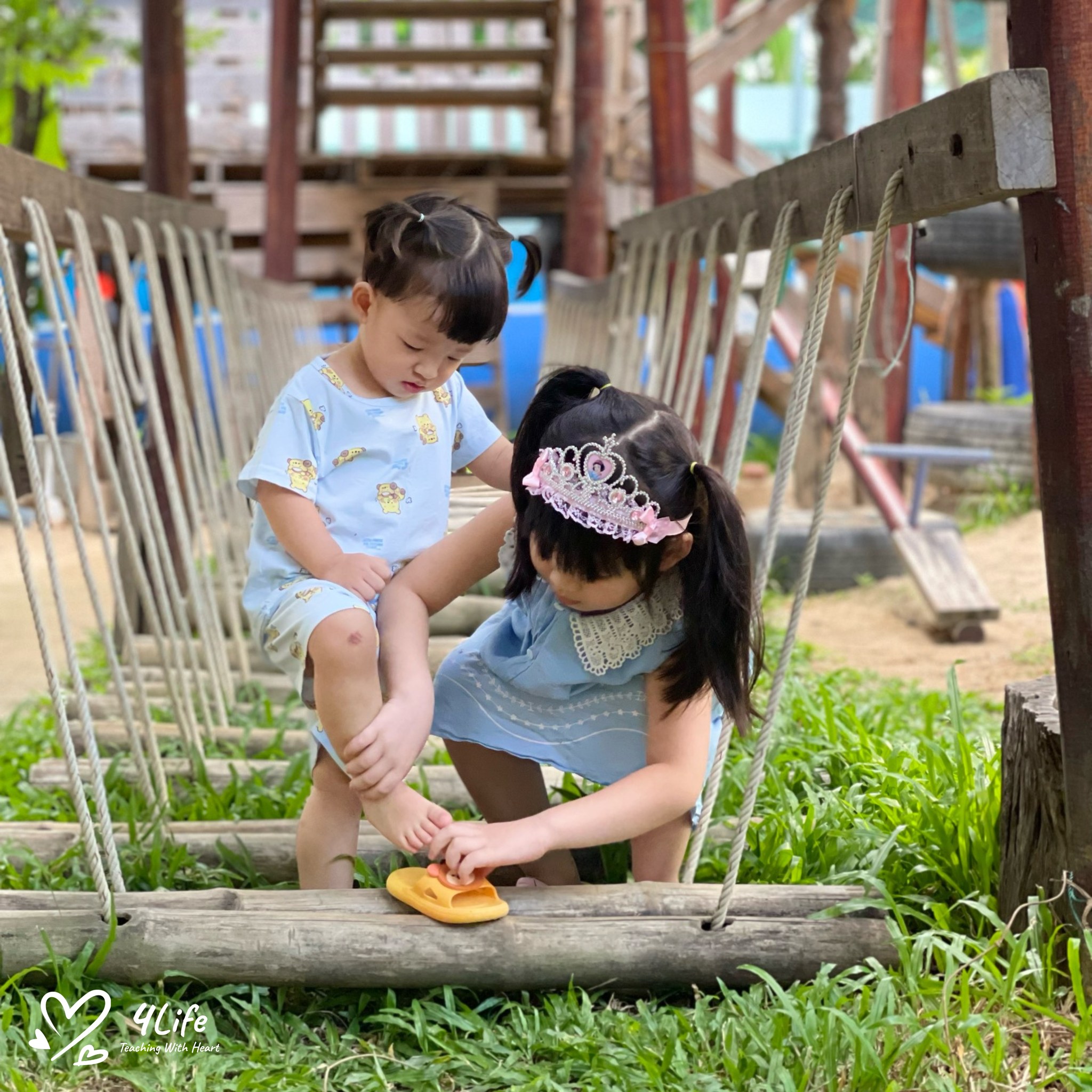
In Montessori education, independence habits are not formed through rigid lessons or pressure for children to “get things right,” but are nurtured naturally through everyday life activities. When children are given opportunities to do things for themselves, to try, and to experience within a well-prepared environment, independence gradually develops as an inner, lasting need.
This article helps parents gain a deeper understanding of Independence Habits In Montessori, why “teaching less – doing less for children” truly matters, and how to gently and naturally nurture independence without pressure. Let’s explore together with 4Life Education in this article.
What are independence habits in Montessori?
Independence habits in Montessori are developed by respecting each child’s natural pace of growth and allowing children to act using their own bodies and minds within safe and age-appropriate limits. Children are not forced to do things before they are ready, nor are they deprived of meaningful experiences due to excessive adult intervention.

What are independence habits in Montessori?
According to Montessori philosophy, children possess a strong inner drive toward independence. The role of the educational environment is to recognize this need and provide the right conditions at the right time. When independence habits are established, children not only learn to care for themselves but also develop self-confidence, a sense of responsibility, and the ability to regulate their own behavior.
When excessive intervention reduces independence
In Montessori education, adults are encouraged to “do less and teach less directly,” as imposing adult experiences and fixed patterns can unintentionally limit a child’s initiative. When every action is carefully instructed or done on behalf of the child, children become accustomed to waiting and depending on others.
By contrast, when children are allowed to carry out their own tasks—even slowly and imperfectly—they learn to take responsibility for their actions and outcomes. This forms an essential foundation for developing an independent and resilient individual.
Independence begins with everyday life activities
In Montessori classrooms, independence habits are built through simple daily activities such as feeding oneself, dressing and undressing, putting materials away, and preparing one’s own workspace. These activities not only support the development of motor skills but also nurture a strong sense of “I can do it.”

Independence begins with everyday life activities
Each time a child completes a small task independently, confidence and self-belief grow. Montessori education does not emphasize excessive praise, but instead allows children to experience the value of their actions through real-life engagement.
The environment – A silent teacher
Montessori views the environment as a key factor in developing independence habits. When spaces are designed at the child’s level, safe, orderly, and clear, children naturally feel encouraged to choose and act independently without constant reminders.
Low shelves, appropriately sized materials, and an organized layout allow children to access and use materials with ease. A Montessori environment does not force independence but gently awakens it from within the child.
Observation instead of intervention
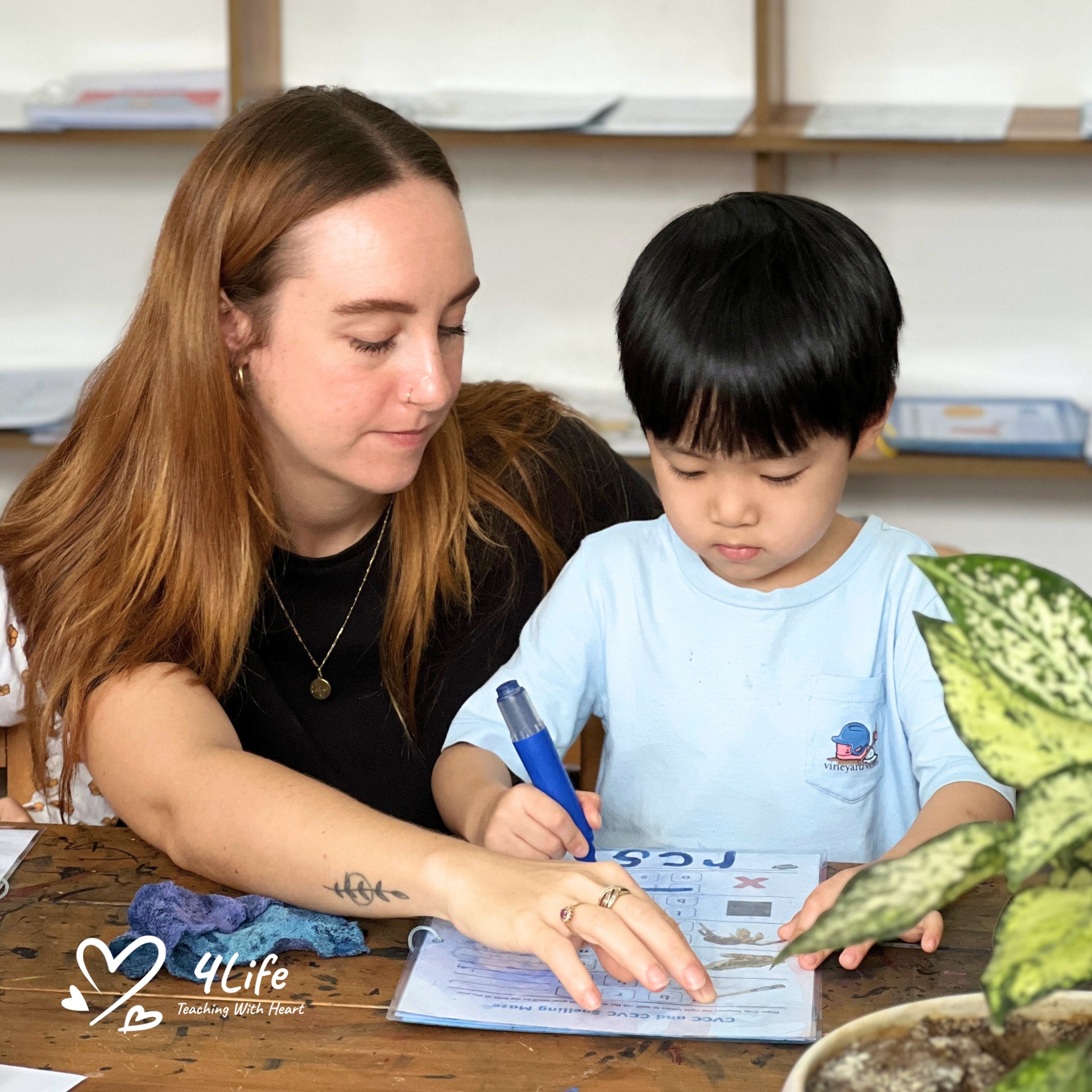
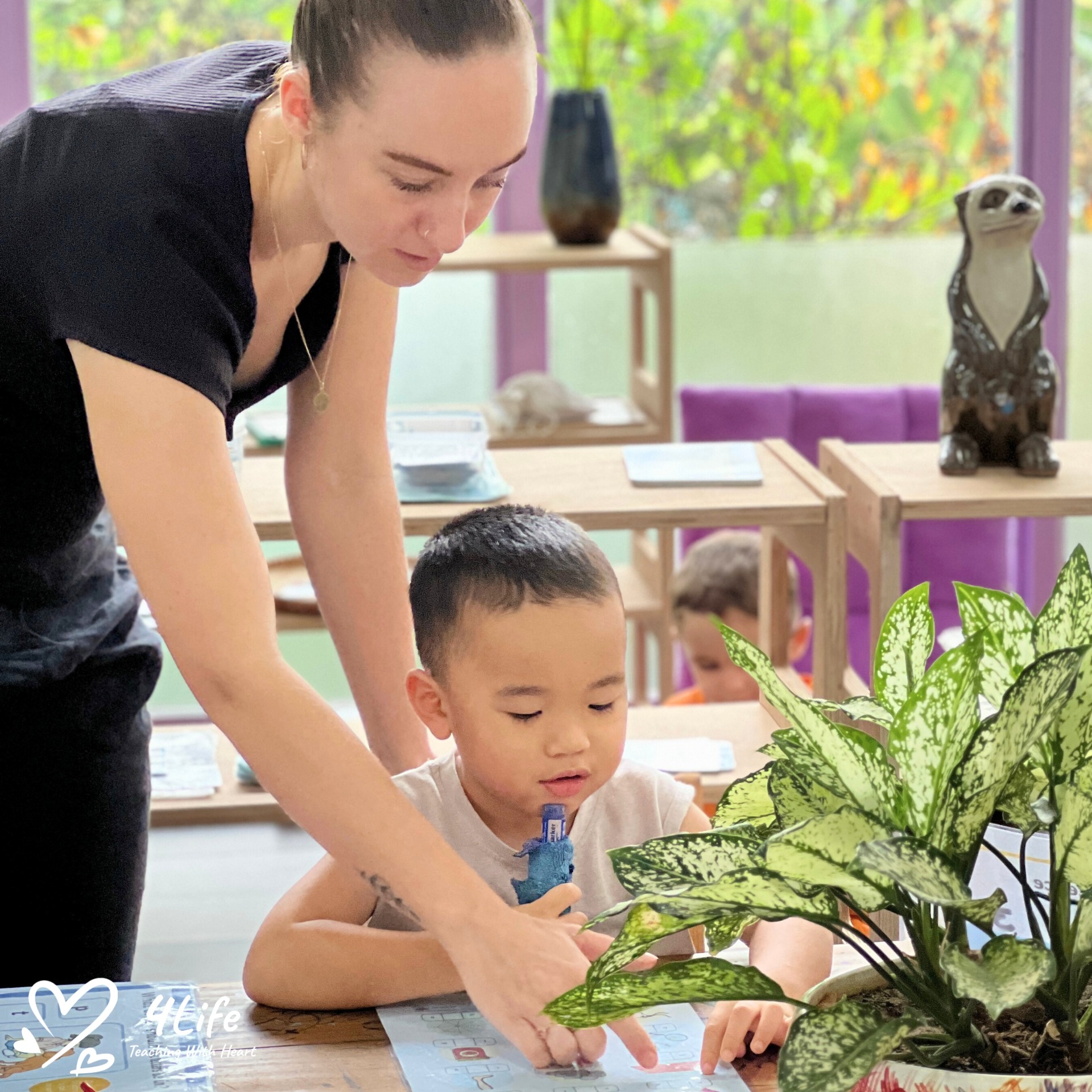
A fundamental principle in Montessori education is that adults learn to observe more and intervene less. When a child is deeply engaged in an activity, correcting, rushing, or doing the task for them can disrupt the learning process.
Through careful observation, educators gain insight into each child’s developmental stage and understand the level of support needed. At times, simply being present, silent, and patient is the most effective form of support.
Mistakes as part of learning
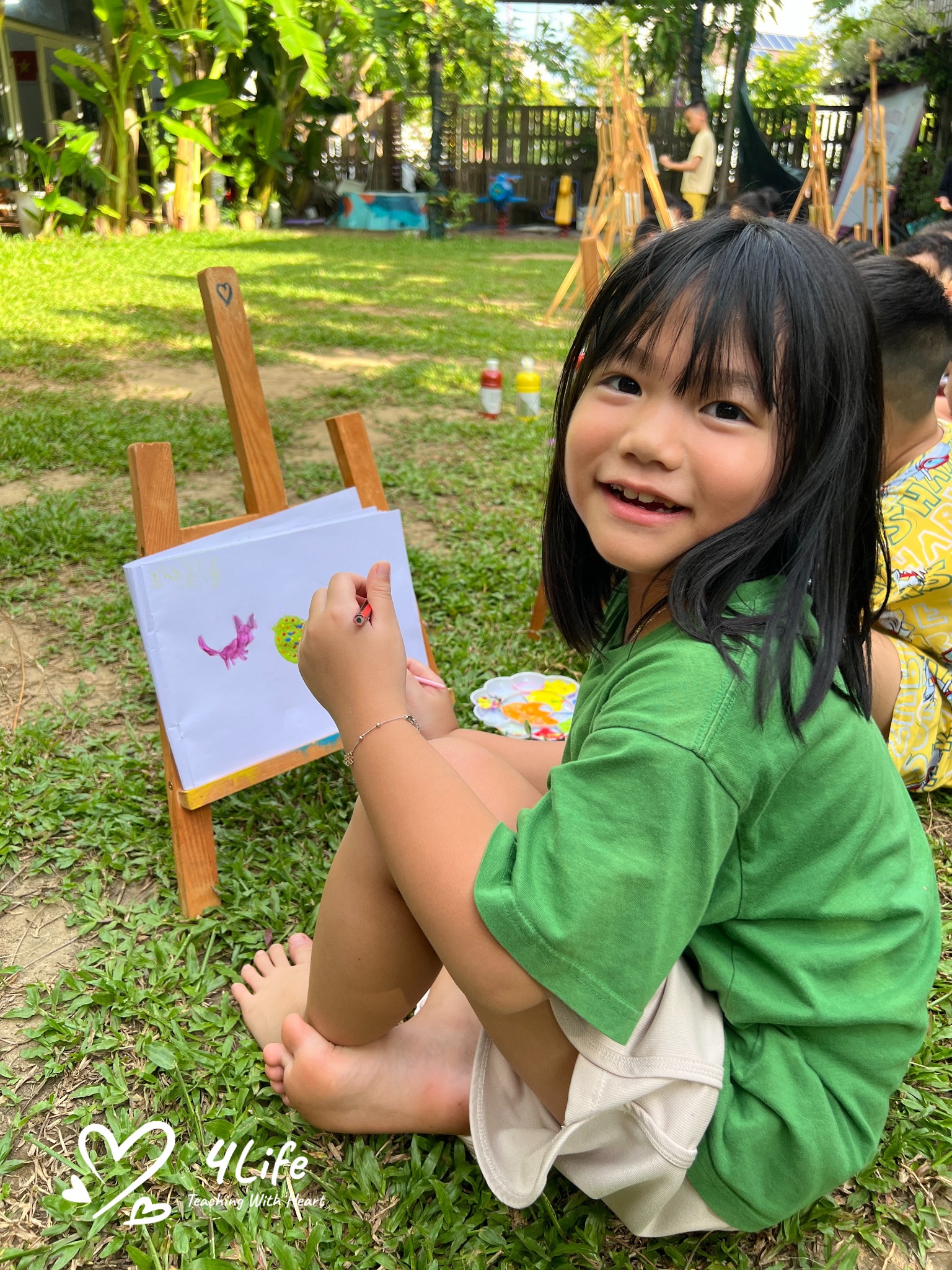
Montessori recognizes mistakes as a natural and essential part of growth. Children need the freedom to try, to make mistakes, and to try again. These imperfect experiences help children gain a deeper understanding of the world and strengthen their ability to self-correct.

Mistakes as part of learning
When children are not afraid of making mistakes, they become more willing to act, explore, and develop inner courage.
Independence as both action and thinking
Independence habits in Montessori extend beyond physical actions to include independent thinking. Children are encouraged to think for themselves, make choices, and take age-appropriate decisions. Their thoughts and emotions are respected, supporting the development of inner independence.
Children who are nurtured to think independently build a strong foundation for facing challenges and adapting to life in the future.
When independence becomes a way of life in the educational environment
When independence habits are practiced consistently, they become a natural part of life in both the classroom and the family. Children no longer need constant reminders or pressure but willingly carry out tasks appropriate to their abilities.
At this stage, the Montessori environment is not only a place for learning, but a space that nurtures individuals who are free, responsible, and respectful of themselves and the community.
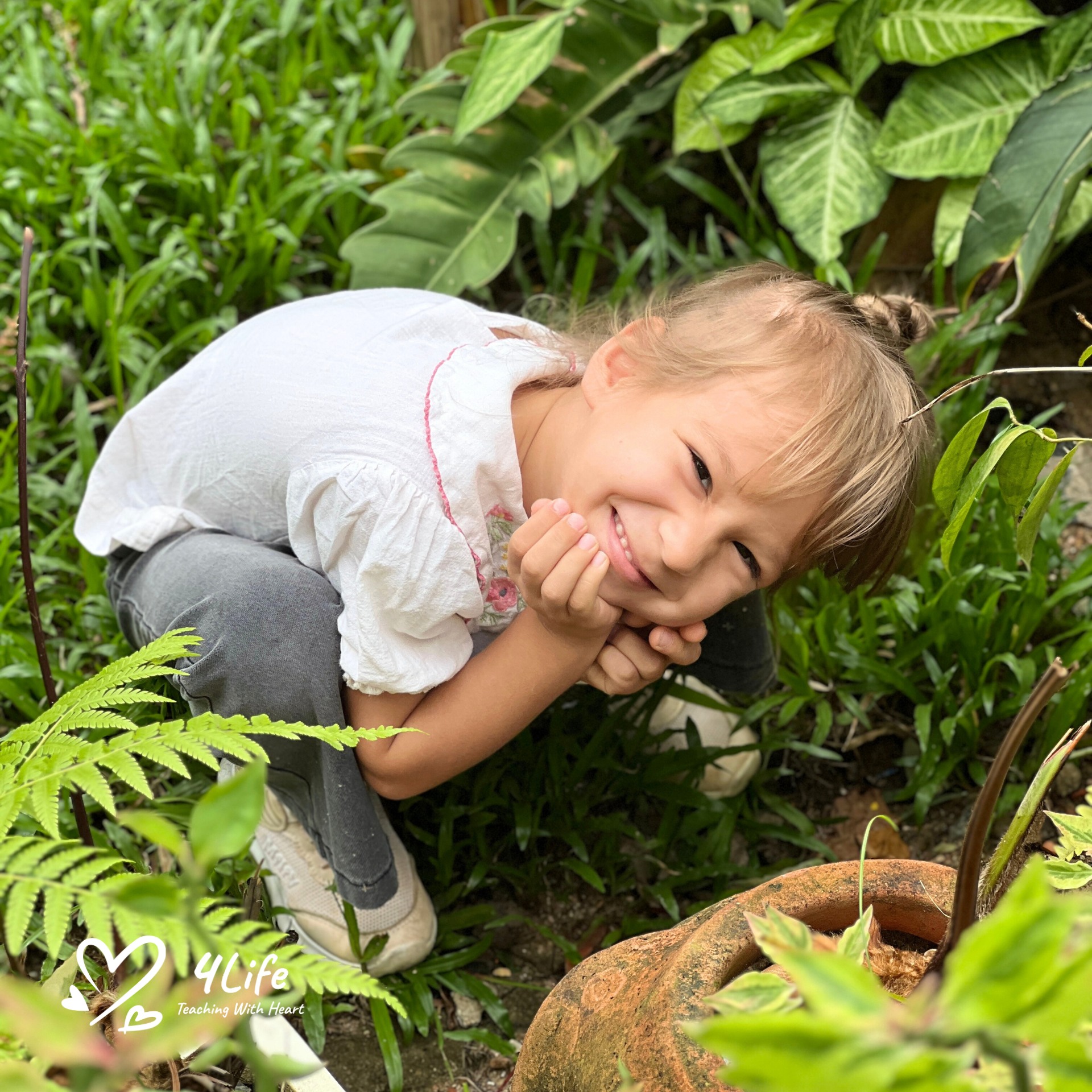
Independence habits in Montessori are not formed in a single day, but are the result of respect, patience, and understanding. When children are allowed to do, to experience, and to grow at their own pace, they do not simply learn how to live—they learn how to become themselves.


0 Comments