
Children’s developmental needs are one of the core factors that determine their overall psychological, intellectual, and personality development. Every behavior, emotion, or reaction a child displays reflects an internal developmental need. However, many parents do not fully understand these needs, which can lead to imposing control, excessive restrictions, or unintentionally hindering a child’s natural growth. When a child wants to do things independently, explore, or assert themselves, it is not stubbornness – it is a sign of development. If parents learn to observe and understand, they can accompany their child’s growth in a gentler and more effective way. So how can we recognize and respond appropriately to children’s developmental needs? Let’s explore this with 4Life Education in this article.
What Are Children’s Developmental Needs?
Children’s developmental needs are natural desires that help them grow physically, psychologically, and cognitively at each stage of life. These needs are not created by adults but arise naturally from within each child. From a very young age, children have a strong desire to explore the world, observe, experiment, and experience things firsthand. Simple actions such as touching objects, watching activities, or repeating certain behaviors are all expressions of these developmental needs.

If parents do not understand these needs, they may interrupt or limit these experiences, assuming they are unnecessary. This can unintentionally disrupt a child’s natural development. On the other hand, when parents recognize that every action has meaning, they can create conditions that allow their child to grow at their own pace.
How Developmental Needs Are Expressed Through Behavior
Young children cannot clearly express their needs through language, so behavior becomes their primary “language.” Every action reflects a specific developmental need. For example, when a child insists on doing things independently – from eating to choosing toys – it indicates a growing need for autonomy. When a child spends a long time observing an activity, it reflects a desire to learn and understand the world.
Sometimes, children react strongly when they are stopped – crying, getting upset, or refusing to cooperate. Adults often interpret this as stubbornness. However, on a deeper level, it may simply be a reaction to unmet developmental needs. When parents understand the meaning behind their child’s behavior, they are less likely to judge quickly and more likely to respond in supportive ways.
Conflicts Between Parents and Children During Growth
One of the most common causes of conflict between parents and children is a difference in understanding developmental needs. As children begin to develop independence, they want to make their own decisions and act according to their preferences. Meanwhile, parents often expect obedience and compliance. This creates a clash of wills.

Many parents interpret this as defiance or misbehavior. In reality, the child is expressing a natural developmental need. If this need is not understood or respected, the child may become stressed or react more strongly. When parents shift their perspective and see this as a normal stage of development, they can find more appropriate ways to respond. Listening to and respecting a child does not weaken parental authority – it strengthens the relationship.
The Role of Freedom in Supporting Development
Freedom is a key condition that allows children to fulfill their developmental needs. In a safe environment, children can actively explore and learn. However, freedom does not mean a lack of boundaries. Children still need basic rules to ensure safety and respect for others. Beyond these necessary limits, they should have space to make choices and gain experiences.
When children are given freedom, they discover ways to grow that suit them best. Some activities may seem unnecessary to adults but are actually very important to the child. If parents restrict freedom out of convenience or time pressure, they may unintentionally limit their child’s development. In contrast, when parents encourage exploration, children develop more naturally and holistically.
Observation: The Key to Understanding Children
To truly understand children’s developmental needs, parents need to learn how to observe rather than intervene too quickly. Observation helps parents recognize what their child needs and what stage they are in. Children often spend time observing before taking action. This is a crucial part of learning. During observation, children are thinking and building understanding.
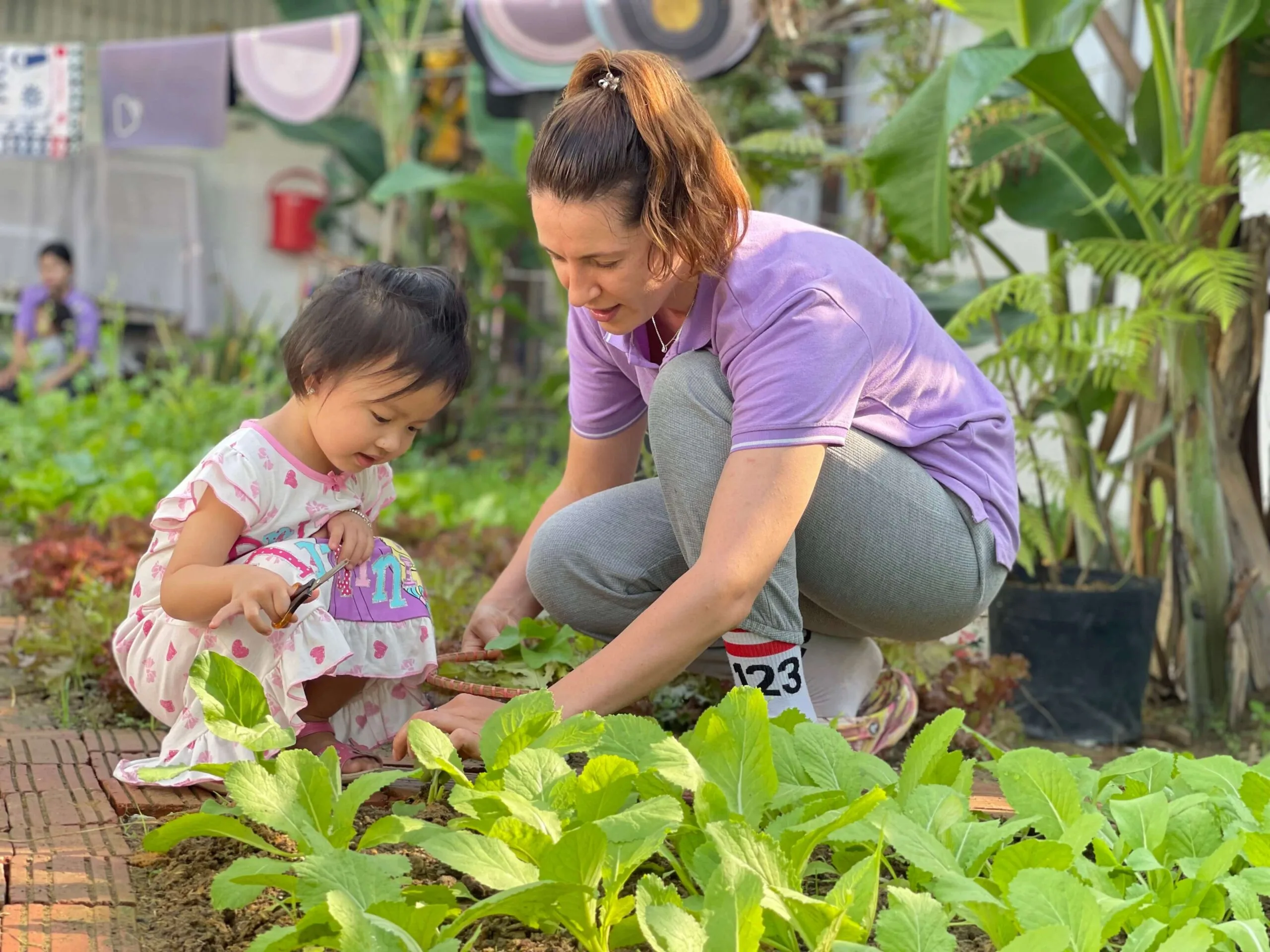
If parents constantly interrupt or rush them, this process can be disrupted. It not only affects concentration but also reduces opportunities to develop independent thinking. By patiently observing, parents can gradually understand their child’s needs without guessing or imposing.
Genuine Love Guides Healthy Development
Love is the foundation for meeting children’s developmental needs – but it must be expressed sincerely and appropriately. Children are highly sensitive to adults’ emotions. If parents show superficial care or impose control, children can sense it and may feel misunderstood.
On the other hand, when parents truly listen and respect their child, the child feels safe and confident. This encourages them to express their needs openly and develop naturally. Spending time together, listening, and accompanying children through each stage is the best way to nurture a happy and healthy child.
Children’s developmental needs are a natural and essential part of growing up. When parents understand and respect these needs, they create a supportive environment for their child’s holistic development – psychologically, intellectually, and emotionally. Children need opportunities to observe, experience, and explore in their own way. Patience, love, and understanding from parents are the keys to helping children grow in a healthy and balanced manner. Instead of controlling or imposing, parents should learn to accompany their children – responding appropriately to their developmental needs at every stage of life.