
Allowing children the freedom to regulate their time and space is one of the key principles that supports their natural development in psychology, intellect, and character. Many parents are used to organizing schedules and controlling every aspect of their child’s daily activities. However, this approach can unintentionally limit a child’s ability to explore and learn independently.
When children are given the freedom to manage their own time and space, they gain opportunities to observe, experience, and grow at their own pace. This also helps them develop concentration, independent thinking, and self-confidence. However, not everyone fully understands this concept or knows how to apply it effectively in real life. So how can parents create the best conditions for their children? Let’s explore this topic with 4Life Education in the article below.
Why is it important to let children regulate their time and space?
Giving children the freedom to regulate their time and space does not mean neglecting them. Instead, it is a respectful approach that aligns with each child’s natural developmental rhythm. Every child learns and explores the world in their own unique way.
When adults impose overly strict schedules or constantly interfere with a child’s activities, children lose valuable opportunities to experience things on their own. This can reduce their independence and initiative in learning.
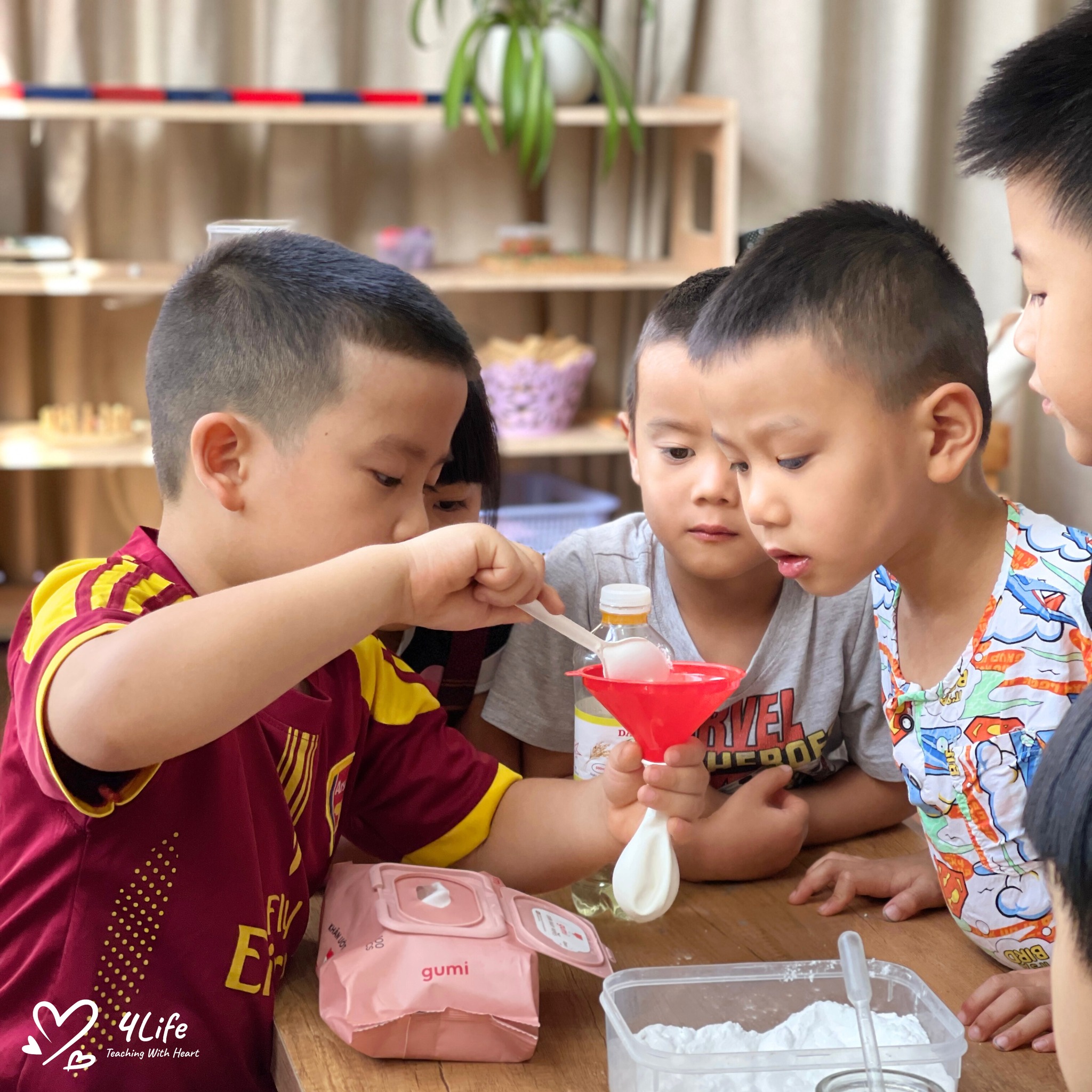
On the other hand, when children are free to manage their time and space, they can focus on what truly interests them. They actively observe, think, and gradually understand the world around them. This also helps them develop self-management skills – an essential ability for their future.
Children learn best through observation and experience
Young children tend to learn through observation and direct experience. When introduced to a new environment, they often take time to observe before engaging. Sometimes, a child may stand still for a long time just watching an activity. This is not passivity – it is deep learning. During this process, children are gathering information, analyzing it, and preparing for action.
If parents rush or pull children away from such moments, the learning process is interrupted. Over time, this can affect their ability to concentrate and reduce their patience. By allowing children the freedom to regulate their time and space, parents create conditions for natural learning. Without pressure, children can absorb knowledge more effectively.
A free space encourages exploration
Space plays a crucial role in a child’s development. An open, safe, and stimulating environment encourages curiosity and exploration. When children are free to move, touch objects, and interact with their surroundings, they gain valuable experiences that books alone cannot provide. These experiences help develop their senses, thinking abilities, and motor skills.

In contrast, if a child’s space is overly restricted, their opportunities to explore become limited. This can reduce creativity and adaptability. Allowing children to regulate their space does not mean letting them do whatever they want. Parents still need to create a safe and appropriate environment where children can explore freely within reasonable boundaries.
Free time builds concentration
One of the greatest benefits of allowing children to manage their own time is the development of concentration. When children engage in activities they truly enjoy, they can spend a significant amount of time on them. In some cases, they may focus for dozens of minutes – or even hours – observing or completing a task. This is a natural form of deep concentration, which is essential for intellectual development.
If parents frequently interrupt or force children to switch activities, this ability can be weakened. Children may become easily distracted and struggle to maintain attention over time. By respecting a child’s sense of timing, parents help nurture a valuable life skill without pressure or force.
Common misconceptions among parents
Many parents worry that giving children freedom over their time and space will lead to a lack of discipline. However, this is a common misunderstanding. In reality, children still need basic rules to ensure safety and respect for others. But beyond those necessary boundaries, they should have the freedom to make choices and decisions appropriate to their age.

Some parents also believe that constant guidance helps children learn faster. In fact, too much interference can reduce a child’s ability to learn independently. Understanding this concept correctly allows parents to strike a balance between guidance and freedom.
How parents can apply this in daily life
To apply this approach effectively, parents can start with small changes in everyday life. For example, allow children to choose their own games and decide how long they want to play within a reasonable timeframe. Parents should also avoid interrupting when children are deeply focused. Instead, observe and only step in when truly necessary.
Creating a safe environment where children can freely explore is equally important. This helps them feel comfortable and confident when trying new things. Parents should also be patient and accept that this approach may seem slower compared to traditional methods. However, in the long run, it supports more sustainable and meaningful development.
Love and respect are the foundation
Ultimately, the most important elements in allowing children to regulate their time and space are love and respect. When parents truly trust their child’s abilities, it becomes easier to let go of unnecessary control. Children are naturally capable of developing in their own way.
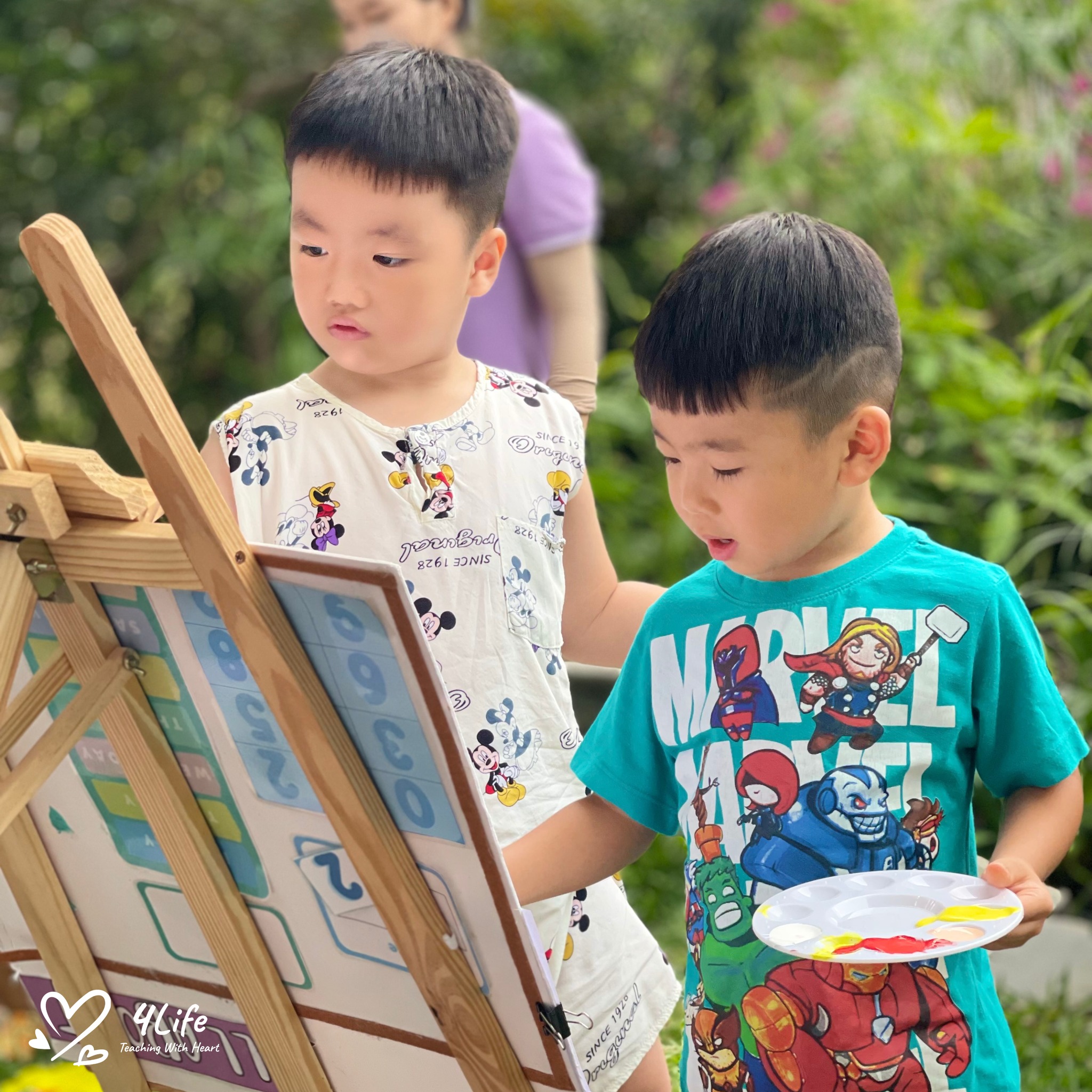
When raised in an environment filled with love and respect, they grow more naturally and holistically. On the other hand, excessive control or anxiety from parents can undermine a child’s confidence and independence. Parenting is not only about guiding – it is also about listening and understanding.
Allowing children the freedom to regulate their time and space is a parenting approach that nurtures holistic development – intellectual, emotional, and personal. When applied thoughtfully, it gives children the opportunity to explore the world in their own way, building confidence, concentration, and independent thinking. This approach is not about neglect, but about conscious companionship grounded in understanding and respect. It forms a strong foundation for raising happy, confident, and resilient individuals in the future.