
Observation is the foundation of intelligence for preschool children and plays an important role in the development of thinking, cognition, and learning ability from the earliest years of life. Unlike adults, young children approach the world through seeing, hearing, touching, and feeling in a slow but profound way. When given the opportunity to observe, children not only receive information but also develop the ability to think, analyze, and understand the nature of things.
However, many parents unintentionally interrupt this process due to impatience or the desire for their child to “learn faster.” So how can we respect and nurture a child’s natural ability to observe? Let’s explore this with 4life.edu.vn in the article below.
Observation is how children understand the world around them
For preschool children, observation is not simply looking but a comprehensive process of receiving and processing information. Children observe to understand their environment, people, and the events happening around them. When facing a new situation, children often do not act immediately but spend time watching, listening, and sensing. This is how they become familiar with the world and build a sense of security in their understanding.
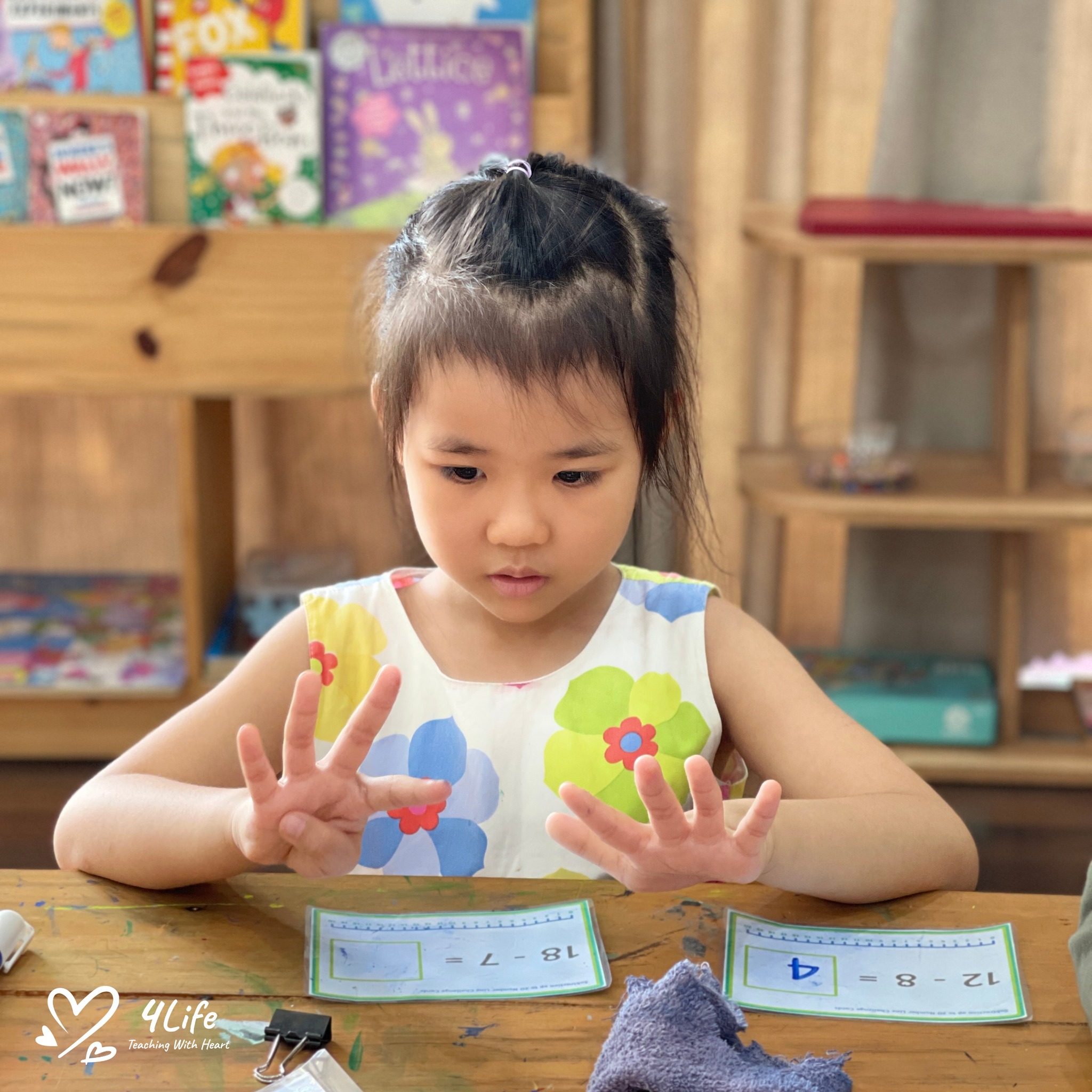
Observation helps children remember details, recognize patterns, and gradually build knowledge. This is the very first foundation of intelligence. If parents rush or pull children away from this process, they lose a natural and deep learning opportunity.
Why observation is the foundation of intelligence for preschool children?
Intelligence is not just the ability to memorize or learn by heart but also includes thinking, analysis, and creativity. All of these abilities originate from observation. When children observe, their brains process information, compare, and connect it with previous experiences. This process helps develop logical thinking naturally.
Observation also helps children form the ability to ask questions and seek answers. This is the beginning of active learning. Observation is the foundation of intelligence for preschool children because it allows them to build understanding from their own experiences rather than passively receiving information.
Children need time to observe and think
One important characteristic of young children is that they need a lot of time to observe and think. Sometimes they may stand still for several minutes just watching something. This is not a sign of slowness but a sign of deep concentration. They are processing information in their own way.
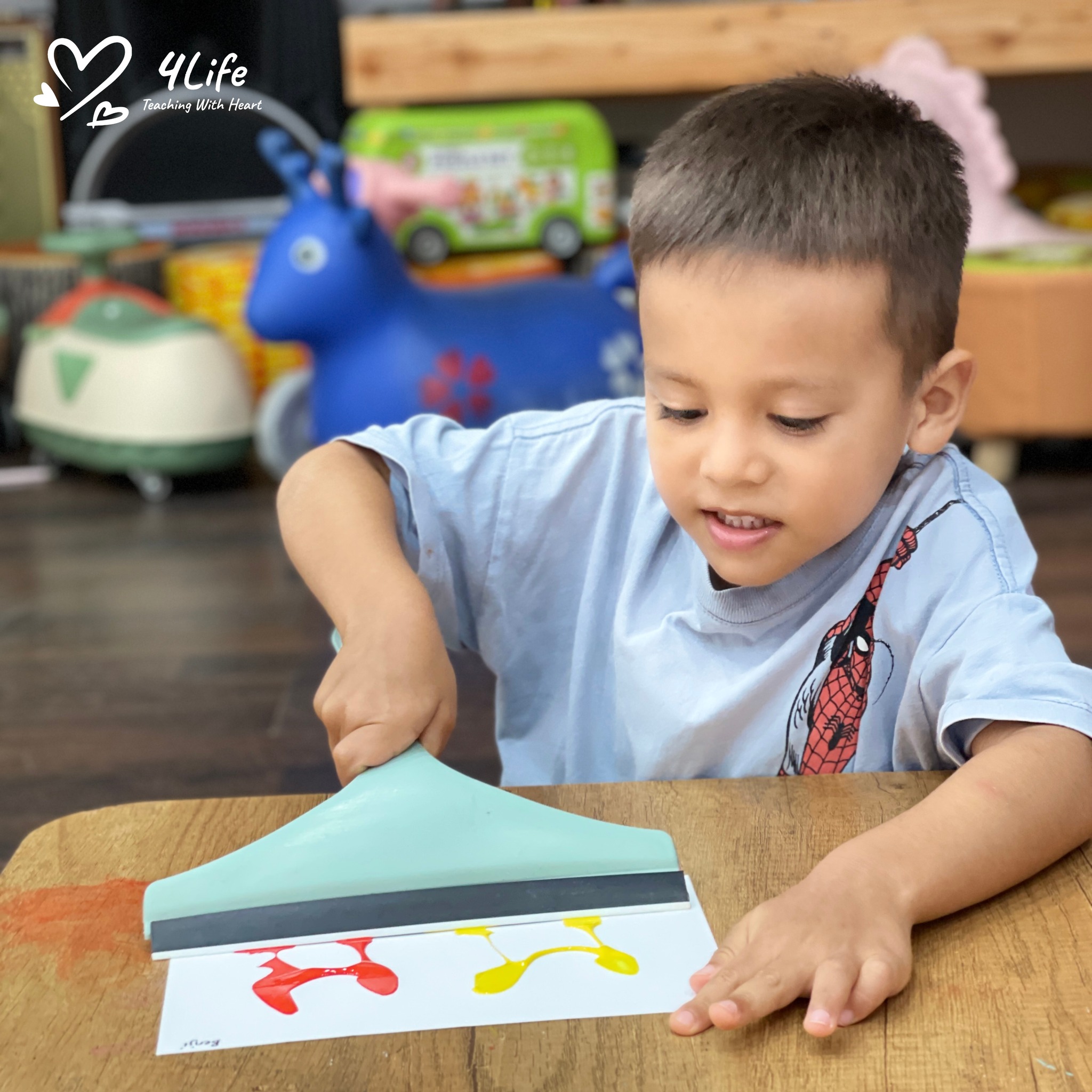
If parents constantly rush them or force them to switch activities, this process will be interrupted. Over time, children may lose their ability to focus and observe. Respecting a child’s pace is key to helping them develop intelligence sustainably.
Observation helps children develop natural concentration
Concentration is not something that can be forced but needs to be nurtured from within. Observation is the path that helps children develop natural focus. When children are interested in something, they willingly spend time observing and exploring it. This is a state of deep concentration without pressure.
This helps children build long-term attention skills, which are essential for both learning and life. On the contrary, if they are frequently interrupted, they will struggle to maintain focus and become easily distracted by external factors.
Adults need to learn to observe with children patiently
Not only children need to observe, but adults also need to learn how to observe children. This is an important step in understanding and supporting them correctly. When parents observe, they can recognize their child’s interests, needs, and developmental stage. From there, they can provide appropriate guidance.
Parental patience helps children feel respected and safe. This encourages them to continue exploring and learning. Intervening too early or imposing adult thinking can disrupt a child’s natural development process.
Common mistakes when interrupting a child’s observation process
Many parents have the habit of rushing children or thinking that standing and watching for a long time is a waste of time. This is a common mistake. When children are observing, they are learning the most. Interrupting them disrupts their train of thought and reduces learning effectiveness.
Some parents also try to “explain quickly” so children can understand immediately. However, this makes children dependent on adults and reduces their ability to think independently. Understanding the true role of observation helps parents avoid unnecessary mistakes in parenting.
How to create an environment that supports observation
To develop intelligence, children need an environment that allows free observation and exploration. This space should be safe, rich, and stimulating curiosity. Parents can create opportunities for children to experience real-life situations, such as observing daily activities or exploring nature.
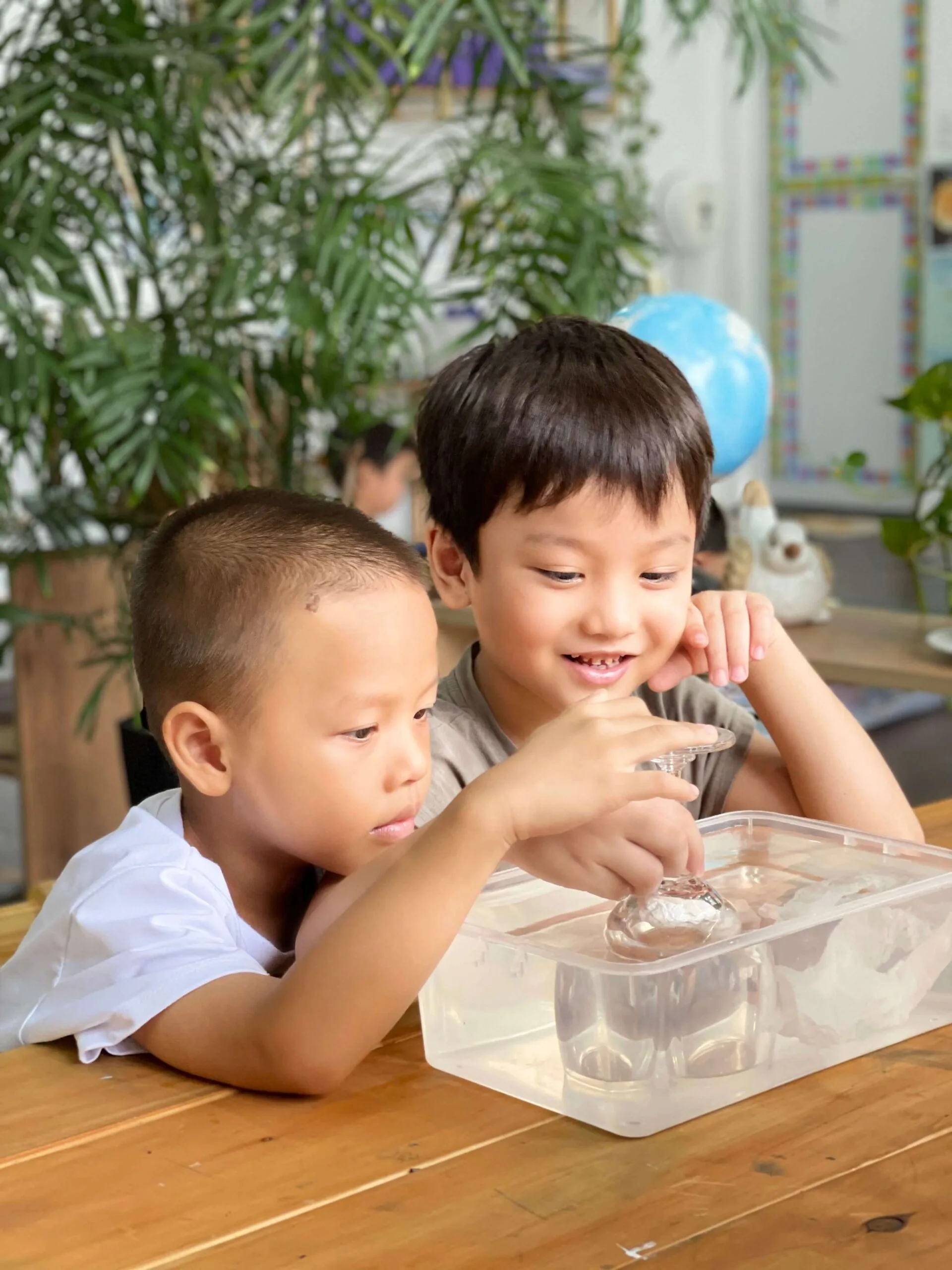
In addition, limiting electronic devices helps children focus more on their surroundings. Most importantly, parents need to respect the child’s observation process, avoid rushing, and not intervene unnecessarily.
Observation is closely linked to personality development
Observation not only helps develop intelligence but also influences a child’s personality. Through observation, children learn to understand emotions, behaviors, and relationships between people. They also learn empathy and respect for others.
These experiences contribute to forming moral values and social behavior. Therefore, observation is the foundation of intelligence for preschool children and also the foundation for holistic development.
Observation is the foundation of intelligence for preschool children and the key to developing thinking, concentration, and personality in a natural way. When parents understand and respect their child’s observation process, they create opportunities for deeper and more sustainable learning. Observation is not an abstract concept but a daily practice in parenting. Patience, understanding, and companionship from parents are the essential factors that help children maximize their potential.