
Helping children develop self-discipline is a goal that many parents strive for throughout the parenting journey. However, discipline is not created through shouting, punishment, or strict control. Instead, it is built through a child’s ability to develop self-awareness and regulate their own behavior. According to the Montessori approach, when children are respected and given the freedom to make choices within clear boundaries, they naturally and sustainably develop self-discipline.
This also lays the foundation for independence, responsibility and self-control. Join 4Life Education in this article to discover the essential principles that help children develop self-discipline from their earliest years.
What is self-discipline?
Many people believe that a disciplined child is one who is always well-behaved, obedient, and follows every instruction from adults. However, this understanding only reflects outward compliance and does not capture the true nature of discipline. In the Montessori philosophy, self-discipline is a child’s ability to regulate their own behavior without constant supervision or reminders from adults. Children understand what they should and should not do, and they are willing to take responsibility for their own choices.

When children act because they understand the value of doing the right thing rather than because they fear punishment, true discipline has been established. This is also why Montessori always emphasizes nurturing intrinsic motivation instead of creating pressure from external sources.
Why do children need freedom to develop self-discipline?
One of the fundamental principles of Montessori is that discipline can only be built on the foundation of freedom. This does not mean allowing children to do whatever they want. Instead, it means providing opportunities for them to make choices within appropriate limits. When children are free to choose activities they enjoy, they become actively engaged and naturally repeat those activities. Through repetition, children gradually improve their concentration, discover how things work, and learn how to complete tasks successfully.
This process not only develops learning abilities but also teaches children perseverance, patience, and self-control. These qualities form the foundation that helps children naturally develop self-discipline. In contrast, when adults make every decision for them, children are more likely to become dependent and only act when instructed.
Respecting children is the first step in building discipline
In Montessori, respecting children is demonstrated not only through words but also through the way adults respond to their needs and abilities. When children want to try a new activity, adults should observe before stepping in. When children make mistakes, instead of scolding them, adults should provide opportunities for them to correct their own errors. When children need more time to complete a task, adults should patiently wait.
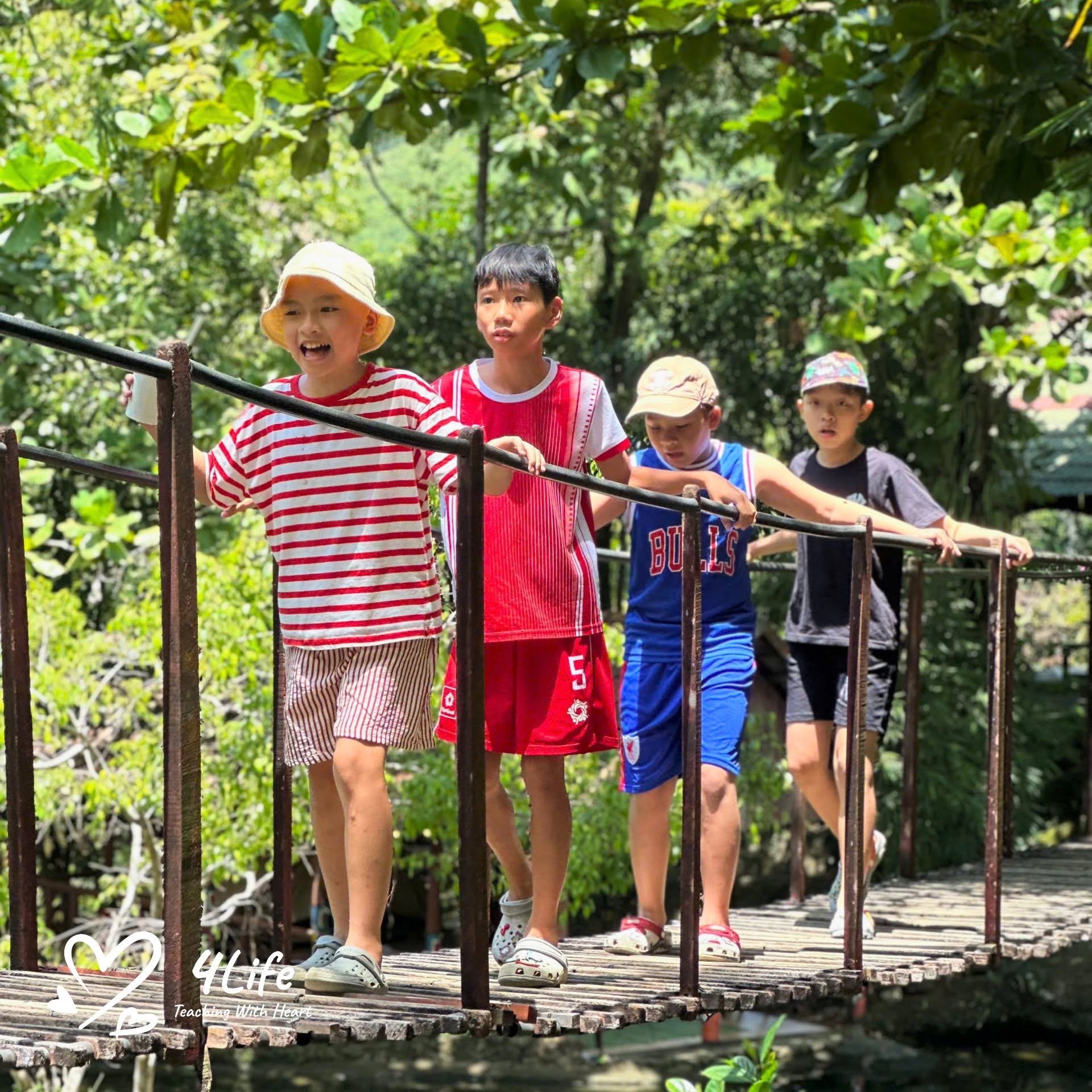
Respect helps children recognize their own value. As a result, they become more confident in making decisions and continuously learn to take responsibility for their actions. This also forms an important foundation for developing self-esteem. A child who respects themselves will naturally find it easier to respect others and willingly follow shared rules.
Reduce control and give children more opportunities to choose
Many parents want their children to do everything correctly, so they often make every decision on their behalf, from choosing clothes and toys to planning daily schedules. Although this comes from love and care, it unintentionally reduces children’s opportunities to develop independence. Montessori encourages parents to offer children age-appropriate choices. For example, children can choose between two outfits, two books, or two different activities.
These small daily choices help children learn to think, consider their options, and take responsibility for their decisions. When their choices are respected, children become more proactive and less dependent on adult direction. This is also one of the most effective ways to help children develop lasting self-discipline.
Let children learn through experience instead of punishment
Montessori does not encourage using punishment to correct children’s behavior. When children behave appropriately only because they fear punishment, they have not truly understood the meaning behind their actions. Instead, children should experience the natural consequences of what they do. If they spill water, they help clean it up. If they drop their toys, they pick them up and return them to their proper place. If they affect someone else negatively, they learn to apologize and make things right.
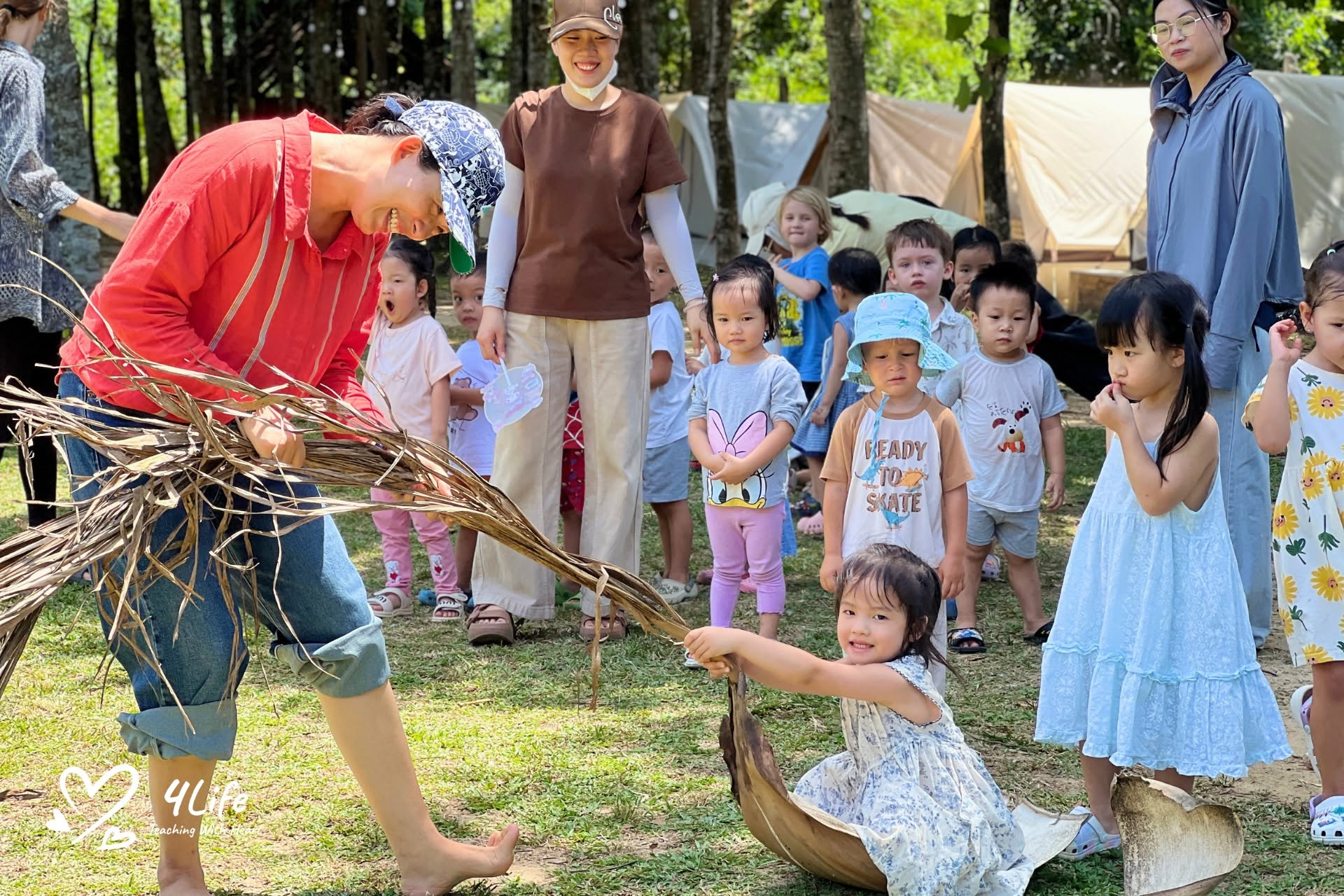
Through these real-life experiences, children understand that every action has a corresponding consequence. This helps them develop a sense of responsibility and learn to regulate their own behavior without being forced by adults.
A suitable environment helps children maintain self-discipline
The environment has a significant influence on children’s habit formation. A clean, organized, and well-prepared space encourages children to care for themselves and maintain order. Parents should arrange materials where children can easily reach them and return them independently. Different activity areas should also be clearly organized so children understand that every item has its own place.
In addition, children should have uninterrupted periods of focused work. When children are fully engaged in an activity without distractions, they develop perseverance, concentration, and discipline in their work. A suitable environment not only supports learning but also helps establish positive habits that continue into adulthood.
Parents should guide rather than control
Adults often have the tendency to help children too much because they worry about them facing difficulties or making mistakes. However, when every problem is solved for them, children lose valuable opportunities to learn and grow.
In Montessori, parents act as observers and supporters, stepping in only when truly necessary. When children encounter challenges, parents should encourage them to find solutions on their own first. Questions such as “Which way would you like to try?” or “What do you think you could do?” help children develop independent thinking. Gentle guidance gives children a sense of trust. When children feel trusted, they become more confident, more proactive, and gradually develop the ability to manage themselves.
Patience is essential
No method can help children become self-disciplined in a short period of time. Developing discipline is a continuous process that requires repetition, experience, and gradual growth. There will be times when children forget to put away their toys, struggle to stay organized, or leave tasks unfinished. This is completely normal during their development.
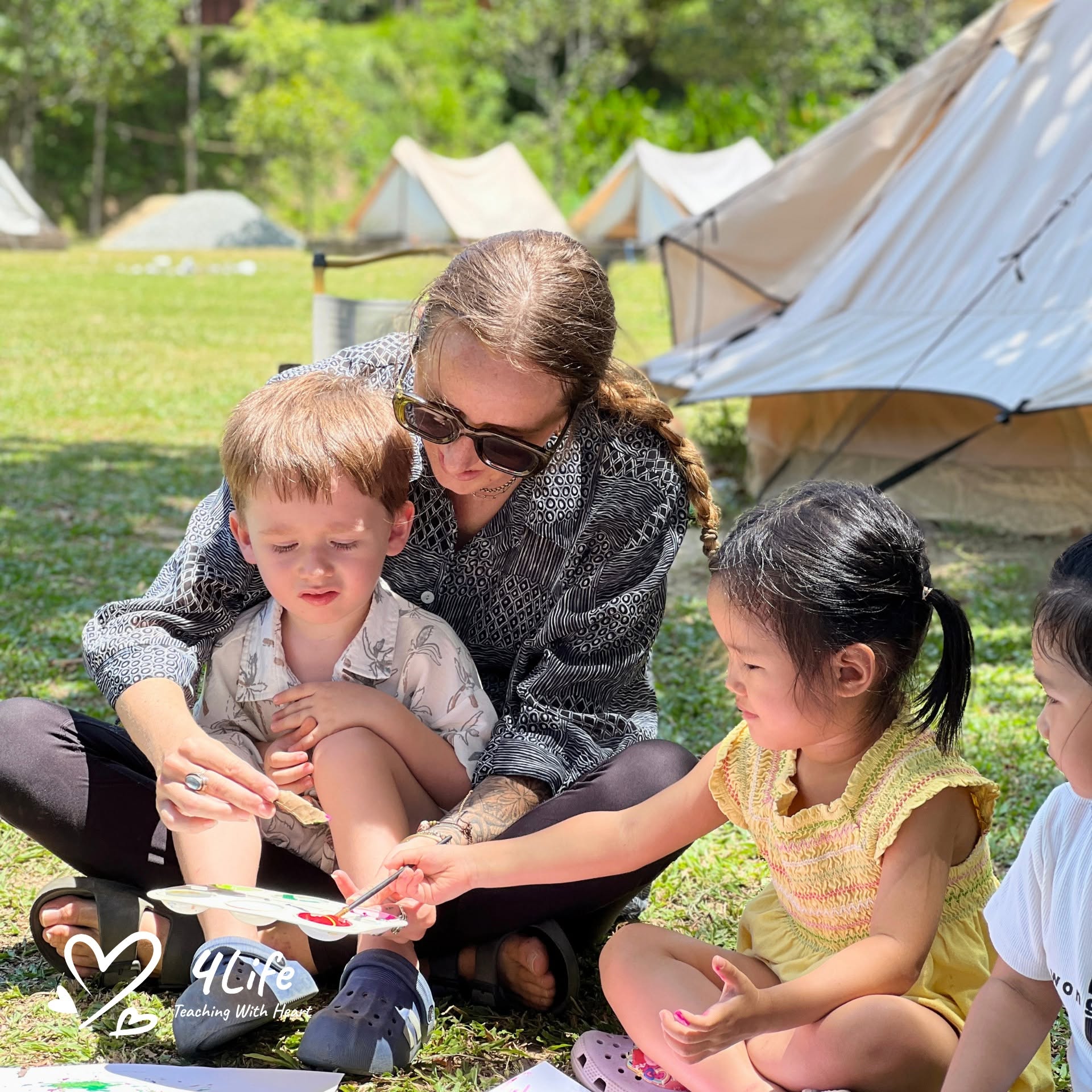
What parents need to do is patiently guide them, remain consistent with expectations, and continue creating opportunities for children to correct their own mistakes. Every time children complete a task independently, fix their own mistakes, or make a responsible decision, they take another important step on their journey toward maturity.
Helping children develop self-discipline does not mean making them obedient or ensuring they follow every instruction from adults. Instead, it means helping them learn to regulate their own behavior, take responsibility for their actions, and become proactive in everything they do. When parents respect their children’s natural development, create a supportive environment, and patiently guide rather than control, children gradually build self-discipline from within. This inner discipline becomes the foundation for raising independent, confident, and responsible individuals throughout their lives.