
Positive discipline in Montessori is not based on force, yelling, or strict control. Instead, it focuses on helping children develop self-discipline and self-control from within. According to the Montessori philosophy, children can only reach their full potential when they are loved, respected, and given freedom within clear boundaries. Rather than raising children who simply obey instructions, parents are encouraged to guide them in understanding their own behavior and taking responsibility for their choices. When applied correctly, the Montessori approach helps children develop discipline naturally, positively, and sustainably. So, how can parents put this philosophy into practice? Let’s explore it in this article from 4Life Education.
What is positive discipline in Montessori?
Many people believe that discipline means teaching children to be obedient, follow instructions, and do exactly what adults tell them. However, Montessori views discipline from a completely different perspective. Positive discipline in Montessori is the process of helping children develop the ability to regulate their own behavior while learning to respect themselves and others without relying on punishment or coercion.

Children are given the freedom to make choices within clearly defined limits. Through real-life experiences and accepting responsibility for their actions, they gradually develop inner discipline. This is why Montessori considers discipline to be the result of personal growth rather than something achieved through control.
Freedom is the foundation of positive discipline
One of the core principles of Montessori is that children need freedom within a structured environment. This does not mean they can do whatever they want. They are still expected to follow rules that protect safety, respect others, and preserve the shared environment.
Beyond these necessary boundaries, children are free to choose activities, decide how to complete them, and work at a pace that matches their abilities. This freedom allows them to learn self-control instead of simply following adult commands. It is one of the fundamental principles of positive discipline in Montessori.
Don’t raise children to simply obey
Many parents feel reassured when their children are always obedient and follow every instruction. However, Montessori suggests that obedience alone is not a sign of healthy development. When children are constantly directed by adults, they have fewer opportunities to think independently, make decisions, and take responsibility for their actions.
Positive discipline in Montessori is not about raising compliant children. Instead, it aims to nurture individuals who are capable of self-direction. When children are treated with respect, they learn to respect others. When they are trusted, they gradually become responsible for themselves.
Understand children before correcting their behavior
Every behavior has an underlying reason. Children may resist because they do not yet understand, are not developmentally ready, or are experiencing a new stage of growth. If adults focus only on the behavior and immediately judge or punish it, children are unlikely to feel understood.

Montessori emphasizes that before correcting behavior, parents should first understand their child’s emotional state and developmental needs. Through careful observation, many behaviors that seem stubborn are actually normal signs of healthy development.
Observe before stepping in
Observation is one of the most important skills in the Montessori approach. Before offering help, adults should take time to understand what the child actually needs. Sometimes children are simply observing a new activity or trying to solve a problem on their own. Constant intervention can prevent valuable learning experiences.
In daily life, parents should avoid doing everything for their children or making decisions on their behalf unless it is truly necessary. Positive discipline in Montessori begins when adults know when to step back and allow children to develop independence.
Patience helps children develop self-discipline
One of the biggest challenges for parents is impatience. Adults often want things to happen quickly, making it tempting to rely on commands or pressure. Children, however, need time to observe, think, and adapt to new experiences.
When children are not ready, pushing them usually leads to anxiety or stronger resistance. On the other hand, when parents patiently explain, provide opportunities to observe, and allow children to experience things firsthand, they gradually gain understanding and become more willing to cooperate naturally.
Set clear boundaries with respect
Freedom should always exist alongside boundaries. Montessori does not encourage permissiveness but instead values clear and consistent expectations. For example, children should not hurt others, damage property, or leave materials scattered after use.

These boundaries are not intended to control children but to help them understand their responsibilities within a community. When rules are explained calmly and respectfully, children are much more likely to accept them than when they are shouted at or threatened.
Parents are children’s role models
Children learn primarily through observation. The way parents behave every day has a far greater influence than verbal instructions alone. If parents frequently lose their temper, children are likely to imitate the same behavior.
On the other hand, when parents listen attentively, keep their promises, and treat others with respect, children gradually develop those same qualities. Positive discipline in Montessori is not only about changing children’s behavior – it first requires adults to reflect on and improve their own actions.
Positive discipline supports lasting character development
The ultimate goal of Montessori is not to create a well-behaved child for today but to nurture a responsible and compassionate adult for the future. When children grow up in an environment filled with love, respect, and freedom within appropriate limits, they naturally develop self-control, responsibility, and empathy.
These qualities cannot be built through punishment or force. Positive discipline in Montessori therefore goes beyond encouraging appropriate behavior – it helps children develop the inner strength they need to live happy, confident, and meaningful lives.
Parents should guide rather than control
In Montessori, the role of parents is to be guides rather than controllers of every aspect of their children’s lives. Instead of constantly giving orders, parents should create opportunities for children to explore, make mistakes, and learn from those experiences.
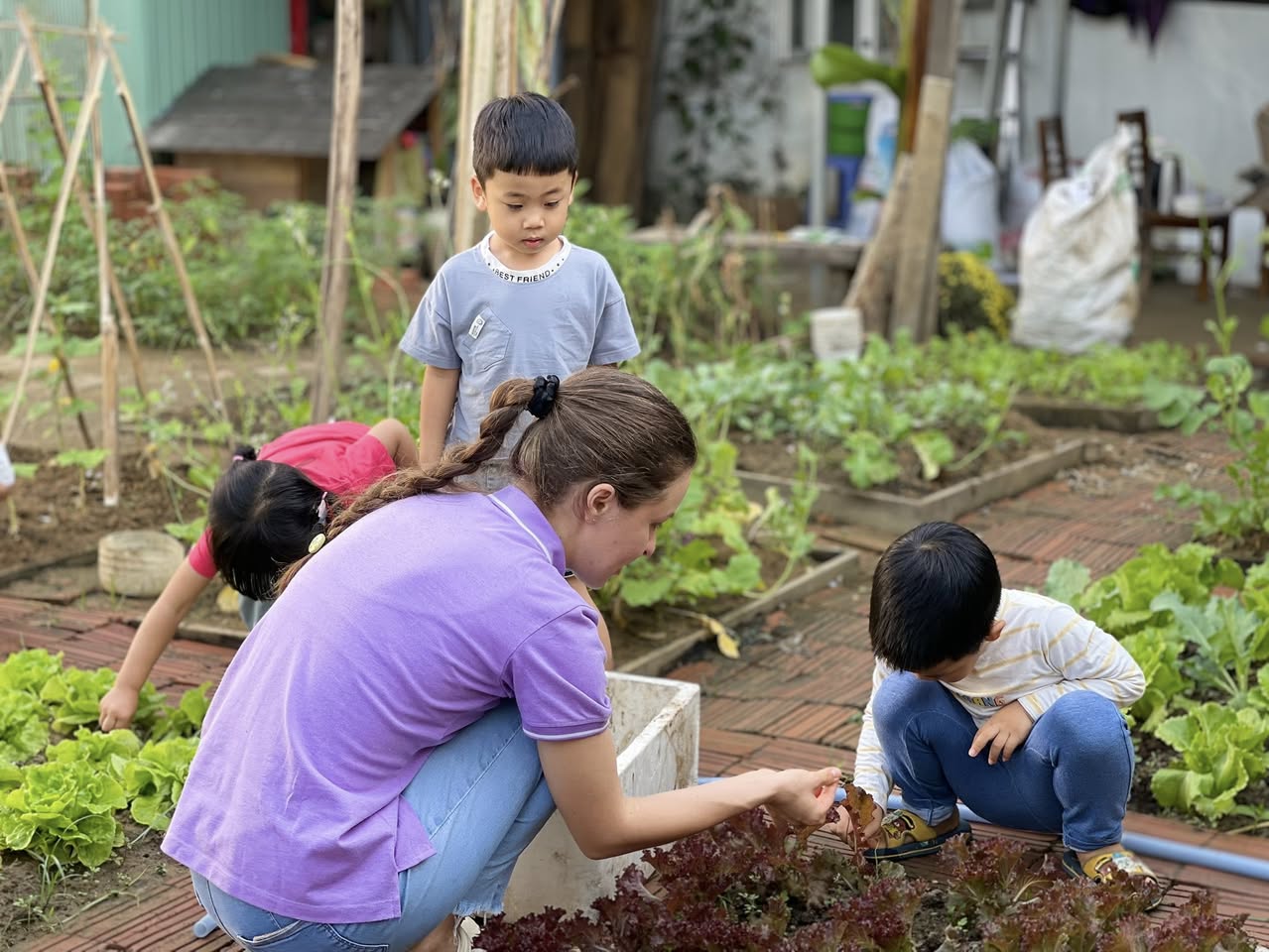
This approach requires patience, trust, and respect for each child’s unique developmental journey. When parents provide thoughtful guidance instead of constant supervision, children gradually develop self-discipline and intrinsic motivation.
Positive discipline in Montessori helps children develop self-discipline, self-control and strong character through love, respect and freedom within appropriate boundaries. Instead of relying on punishment or pressure, parents are encouraged to observe, listen, and support their children throughout every stage of development. Although positive discipline in Montessori does not produce immediate results, it provides children with a strong foundation to become independent, responsible, and happy individuals throughout their lives.