
What do children learn from freedom and experience is a question that helps parents reflect on how children explore the world and develop their own abilities. When children are allowed to choose suitable activities, carry them out independently, and have time to repeat them, they not only accumulate knowledge but also learn how to concentrate, make decisions, and adjust their behavior. In Montessori, freedom always comes with necessary limits so that children understand that every choice is connected to responsibility. Instead of constantly giving instructions or doing things for children, adults create an environment where children can try, make mistakes, and discover what works for themselves.
Through each experience, children gradually develop initiative, self-control, and an awareness of respecting others. Join 4Life Education to learn more in this article about the values children can gain from freedom and experience.
Freedom creates opportunities for children to explore independently
When children are given the right to choose within an appropriate range, they have the opportunity to actively explore what interests them. Instead of always waiting for adults to decide, children can choose an activity, start on their own, and spend time learning how to do it. This process helps children recognize their interests, abilities, as well as the things they have not yet done well. Each choice becomes a practical experience that helps children understand themselves and the environment around them.
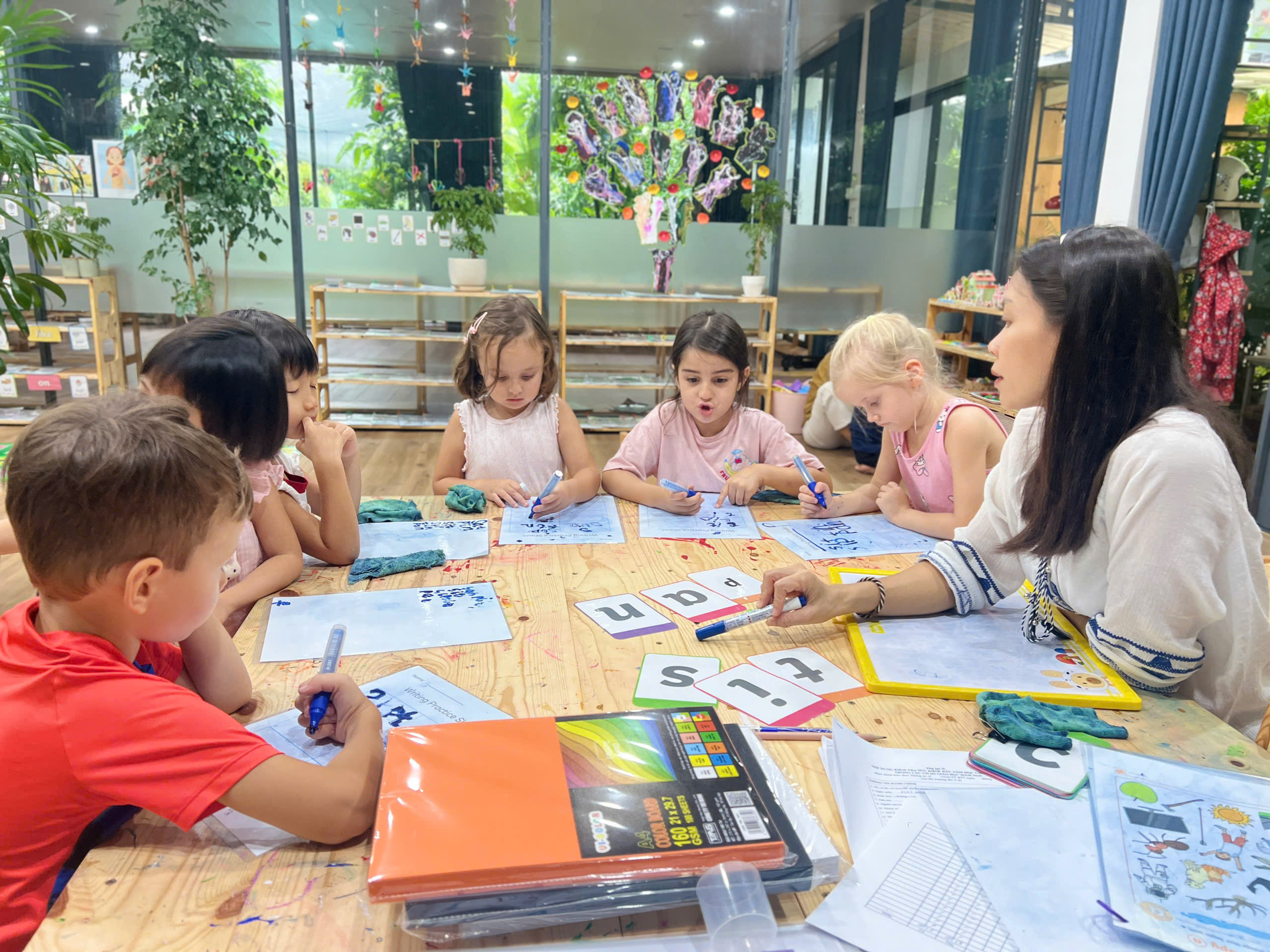
Freedom in Montessori does not mean allowing children to do everything they want. Children are free to choose but still need to follow common principles, such as not affecting others, not damaging materials, and taking care of the environment. These limits create a safe environment for children to explore. When children know the boundaries within which they can make choices, they can become more independent while still understanding that their actions affect those around them.
Children learn how to make choices
One of the important things children learn from freedom and experience is the ability to make decisions. When adults always choose for children, they have fewer opportunities to consider options and take responsibility for their decisions. In contrast, small choices in everyday life can help children gradually practice this ability. Children can choose the activity they want to do, decide the order of tasks, or choose how to arrange certain materials according to their abilities.
At first, children may make choices that are not suitable. This is a natural part of the learning process. Instead of immediately making the decision for children, adults can help them recognize the result and try again when necessary. Through many experiences, children gradually understand that every choice comes with a result. From there, they learn to consider things before acting and gradually develop responsibility for their own decisions.
Experience helps children understand through action
One thing children may find difficult to fully learn through explanations alone is how a task actually works. When they carry it out directly, children can see the results of their actions. For example, when children take an item, use it, and put it back, they can better understand the sequence of the task and their responsibility for the materials. When they make a mistake, they have the opportunity to recognize the problem and try another way.
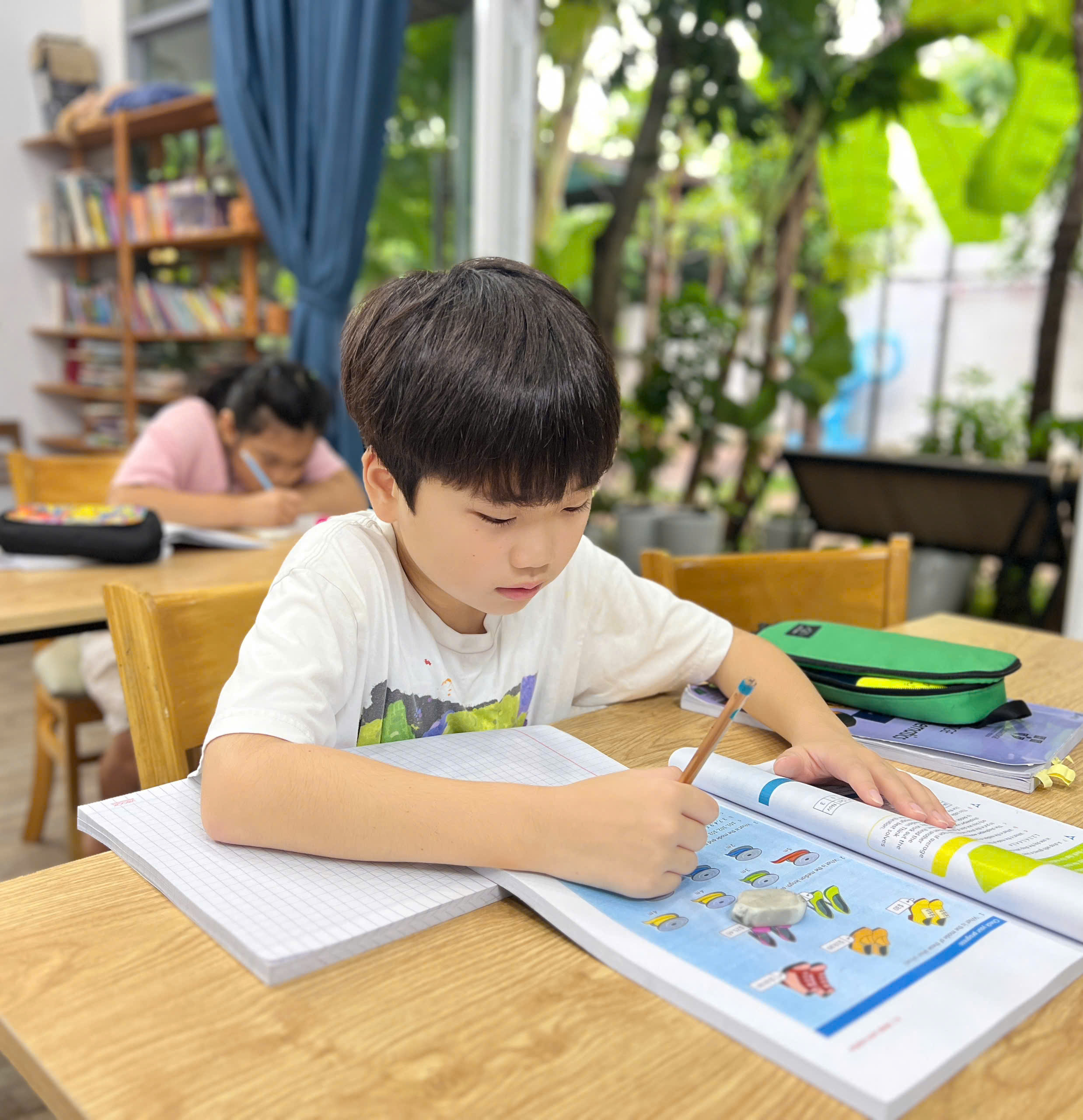
Practical experiences also make knowledge more closely connected to everyday life. Children do not simply hear that they need to take care of materials but directly use and maintain them. They are not simply reminded that they need to respect others but have opportunities to practice waiting, keeping a distance, and not interrupting other people’s work. Repeated experiences help principles gradually become an internal understanding.
Children develop the ability to concentrate
When children choose an activity that suits their needs and abilities, they may be able to maintain their attention for a longer period of time. They may repeat an action many times because they want to do it better or because the activity interests them. This repetition is not simply doing the same thing over and over again but also helps children gradually control their movements, remember the sequence, and improve their skills.
The ability to concentrate plays an important role in the development of self-discipline. When children are concentrating on a task, they need to limit actions that interrupt the process. They learn to persist with a task and complete it before moving on to another activity. Over time, children gradually become able to maintain their attention on their own without adults constantly reminding them.
Children learn how to control their behavior
Freedom and experience also create conditions for children to develop self-control. When given choices, children need to consider their actions within certain limits. They may want to use an item but need to know how to use it for its intended purpose. They may want to continue an activity but need to recognize when they should make room for others. These situations help children practice adjusting their behavior in real-life situations.
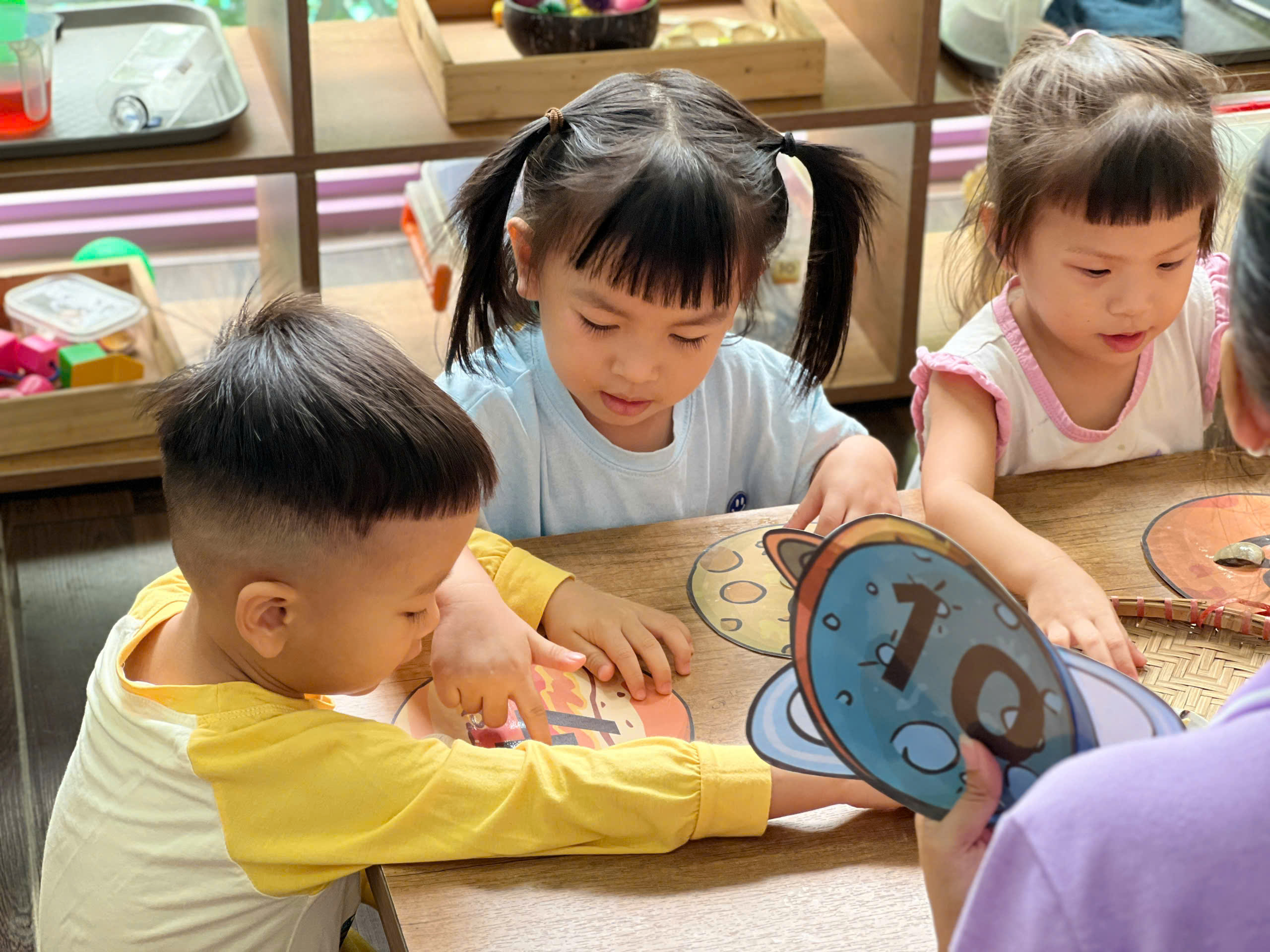
Self-control becomes more meaningful when children can practice it even when adults are not watching. If children stop an action only because they are afraid of being reminded, their ability to control themselves still depends on external influence. But when children understand the principles and adjust themselves, they are gradually developing internal discipline. Repeated experiences in an appropriate environment help this process take place gradually and sustainably.
Children understand that freedom always comes with responsibility
Freedom is meaningful when children understand how to use their right to choose. They can choose an activity but need to know how to take care of materials and not affect others. They can choose a workspace but need to respect shared spaces. They may want to do something in their own way but still need to follow principles related to safety and everyone’s rights.
Through such experiences, children gradually realize that their actions always create a certain result. If they take materials and leave them scattered, others may not be able to find the items they need. If they interrupt someone else’s work, that person may find it difficult to concentrate. When children observe and experience these connections, responsibility becomes more concrete. Children do not simply hear adults talk about responsibility but have the opportunity to understand responsibility through action.
Children learn how to respect others
An environment with freedom is also a place where children learn to recognize other people’s boundaries. When someone is concentrating on their work, children need to know not to interrupt them arbitrarily. When an item belongs to someone else, children need to know to ask for permission before using it. When doing activities together in the same space, children need to pay attention to their behavior so that they do not affect the people around them.
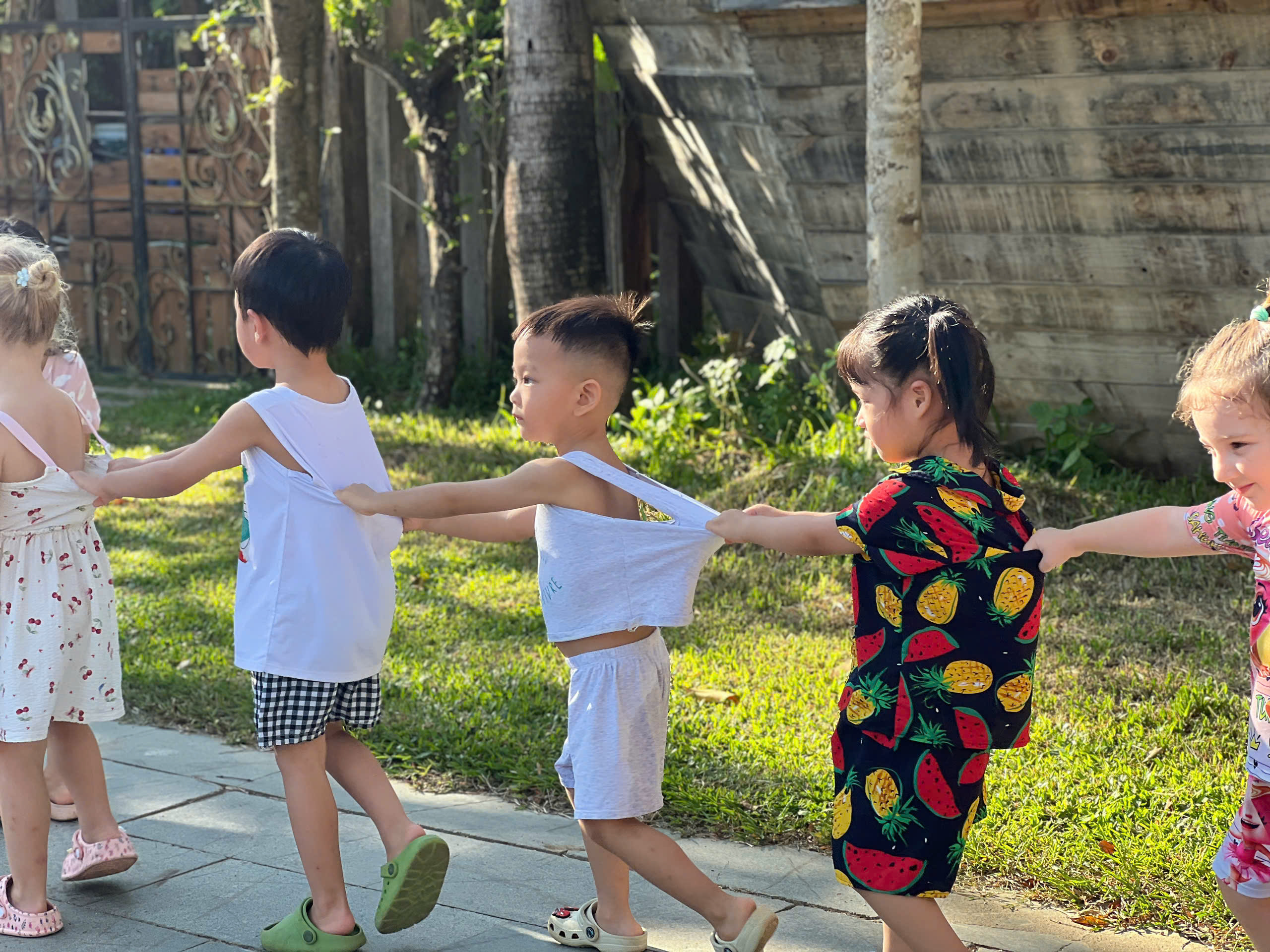
These principles can be formed through regular experience. Adults do not need to give lengthy explanations but can repeat the principles clearly and consistently when situations arise. Through repeated practice, children gradually understand that they are not the only ones who have the right to choose. Each person’s freedom needs to exist in relation to respect for others.
Children learn perseverance through repetition
An activity may be performed many times by children because they want to explore further or want to do it better. The process of repetition helps children recognize the areas they have not yet mastered and gives them opportunities to make adjustments. Instead of quickly moving on to another task when facing difficulties, children can try again, change the way they do it, and observe the results. This is how perseverance is developed through experience itself.
When adults constantly intervene or do things for children, they have fewer opportunities to experience the process of overcoming difficulties on their own. In contrast, when given enough time, children can realize that a skill needs to be practiced many times. Each attempt is an opportunity for children to understand more about the task and their own abilities. Gradually, children can develop a more patient attitude toward tasks that cannot be completed immediately.
Experience helps children understand limits
Freedom cannot be separated from limits. An appropriate environment needs to let children know what they can choose and what behaviors are inappropriate. When children cross a boundary, adults can remind them of the principle and guide them toward appropriate behavior. This helps children understand that limits are not intended to prevent development but to help everyone remain safe and respected.
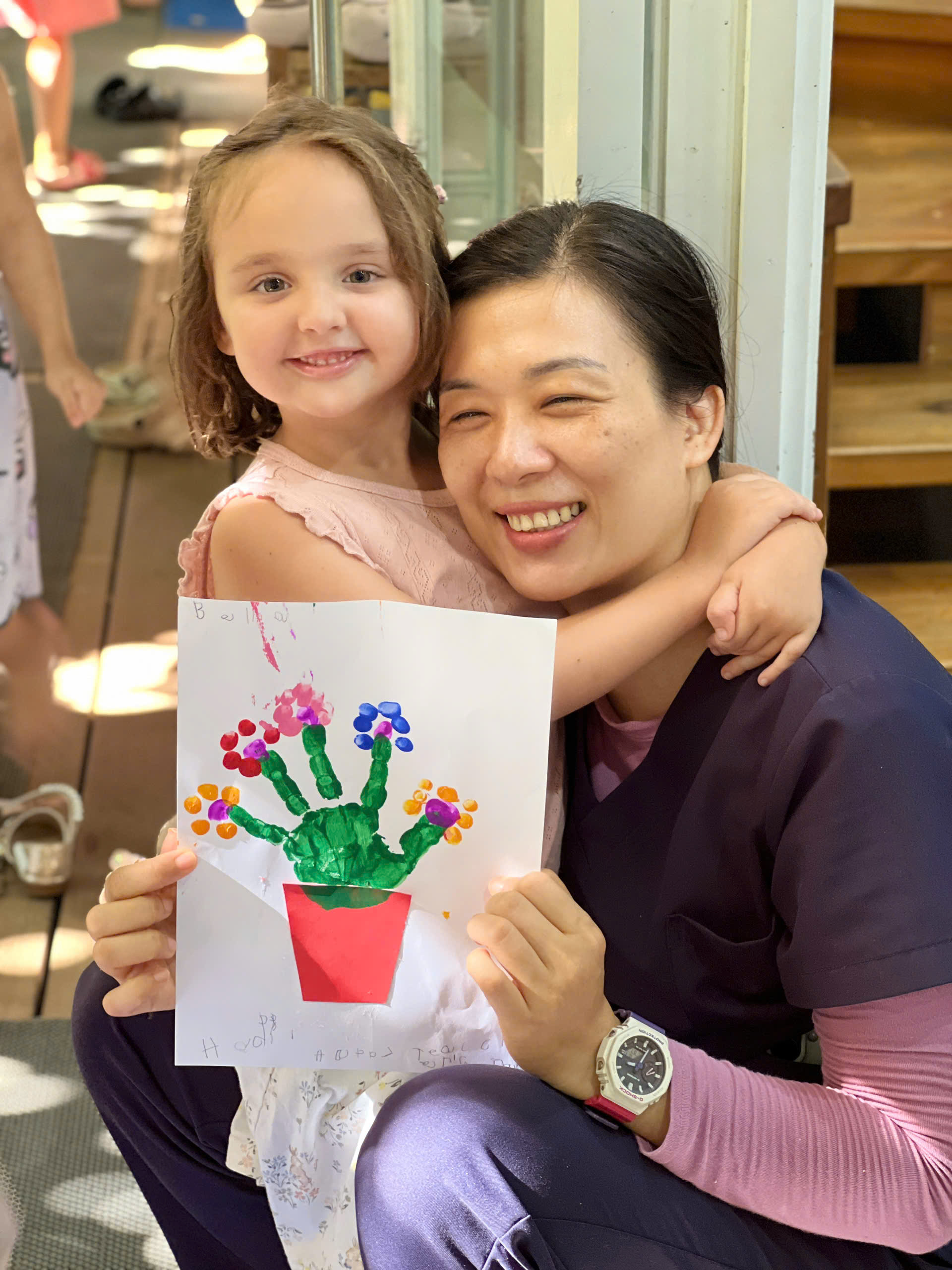
Through experience, children can gradually remember these limits without adults constantly controlling them. They know not to take other people’s belongings, not to damage shared materials, and not to affect other people’s work. These things may initially require guidance, but over time they become part of the way children behave. This is the process of moving from following external requirements to self-regulation from within.
The role of parents when children are free to experience
Parents do not need to completely stand aside when children are given freedom. The role of adults is to prepare the environment, observe, provide guidance when needed, and maintain appropriate limits. When children are able to do something independently, adults can step back and let them try. When children do not yet know how to do something, sufficient guidance can help them continue without taking away the opportunity to explore independently.
Observation helps parents understand when to intervene and when to wait. There are times when children simply need more time to find a solution. If adults immediately do the task for them, children may miss that important experience. On the other hand, if children encounter a problem beyond their abilities or one involving safety, adults need to provide support. This balance helps freedom become a tool for development rather than a lack of guidance.
How to create opportunities for children to experience?
Parents can start with simple tasks in everyday life. Children can choose their own clothes, arrange their personal belongings, prepare some age-appropriate items, or put things away after use. These tasks do not need to be too complicated. What matters is that children have the opportunity to participate and complete part of the task themselves instead of always having adults do it for them.
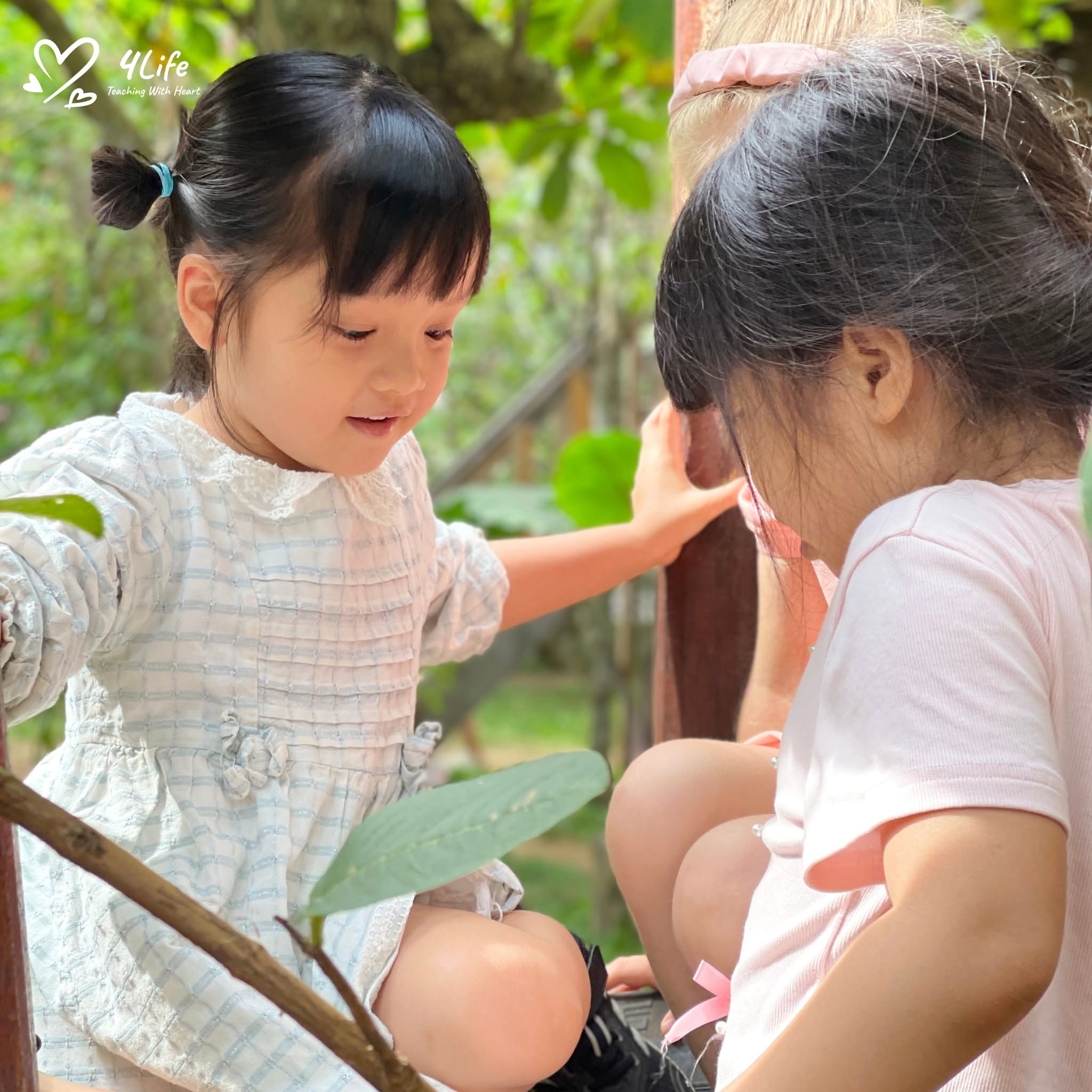
The living environment should also be arranged to support children’s independence. Items that children frequently use can be placed within their reach, each item can have a clear place, and activity areas can be kept relatively stable. When the environment is easy to access, children can start and finish a task more easily. In this way, everyday experiences gradually become opportunities for children to develop concentration, responsibility, and independence.
Freedom and experience contribute to the development of internal discipline
When children are free to choose and directly experience things, they have the opportunity to understand the reasons behind rules instead of simply memorizing commands. They know they need to take care of materials because they have experienced finding an item again after putting it in the right place. They know they need to respect other people’s space because they have realized that being interrupted makes it difficult to concentrate. Understanding formed through experience often has a direct meaning for behavior.
Gradually, children can adjust themselves without adults constantly reminding them. This is the foundation of internal discipline. Children do not do the right thing simply because someone is watching but begin to understand what is appropriate for themselves and their environment. Through choice, children learn to take responsibility; through experience, they understand results; through repetition, they develop concentration. These elements are connected and contribute to building independence over time.
What do children learn from freedom and experience is not only about specific skills but also about how children gradually understand themselves, their environment, and their responsibilities. When given choices within appropriate limits, children have the opportunity to explore, concentrate, repeat, make mistakes, and self-correct. Each experience becomes a small step that helps children develop independence and internal discipline. The role of parents is to create an appropriate environment, provide necessary limits, and give children enough time to do things independently. When freedom is combined with responsibility and practical experience, children have a stronger foundation to grow in an active and confident way.