
Natural concentration ability in young children is one of the important foundations that helps them develop intelligence, emotions, and learning capacity in the early years of life. Contrary to what many adults assume, young children are fully capable of deep concentration for long periods when given the right conditions.
However, in reality, many parents unintentionally interrupt this process by rushing, interfering, or imposing activities on their children. This gradually causes children to lose their inherent ability to concentrate. So how can we recognize and effectively nurture natural concentration in young children? Let’s explore this with 4Life Education in the article below.
What is natural concentration ability in young children?
Natural concentration in young children is a state in which a child voluntarily focuses on an activity without external pressure. This type of concentration stems from the child’s internal interest and needs. In this state, children can observe, explore, or repeat an action for a long time without feeling bored. Notably, this form of concentration is often very deep and continuous.
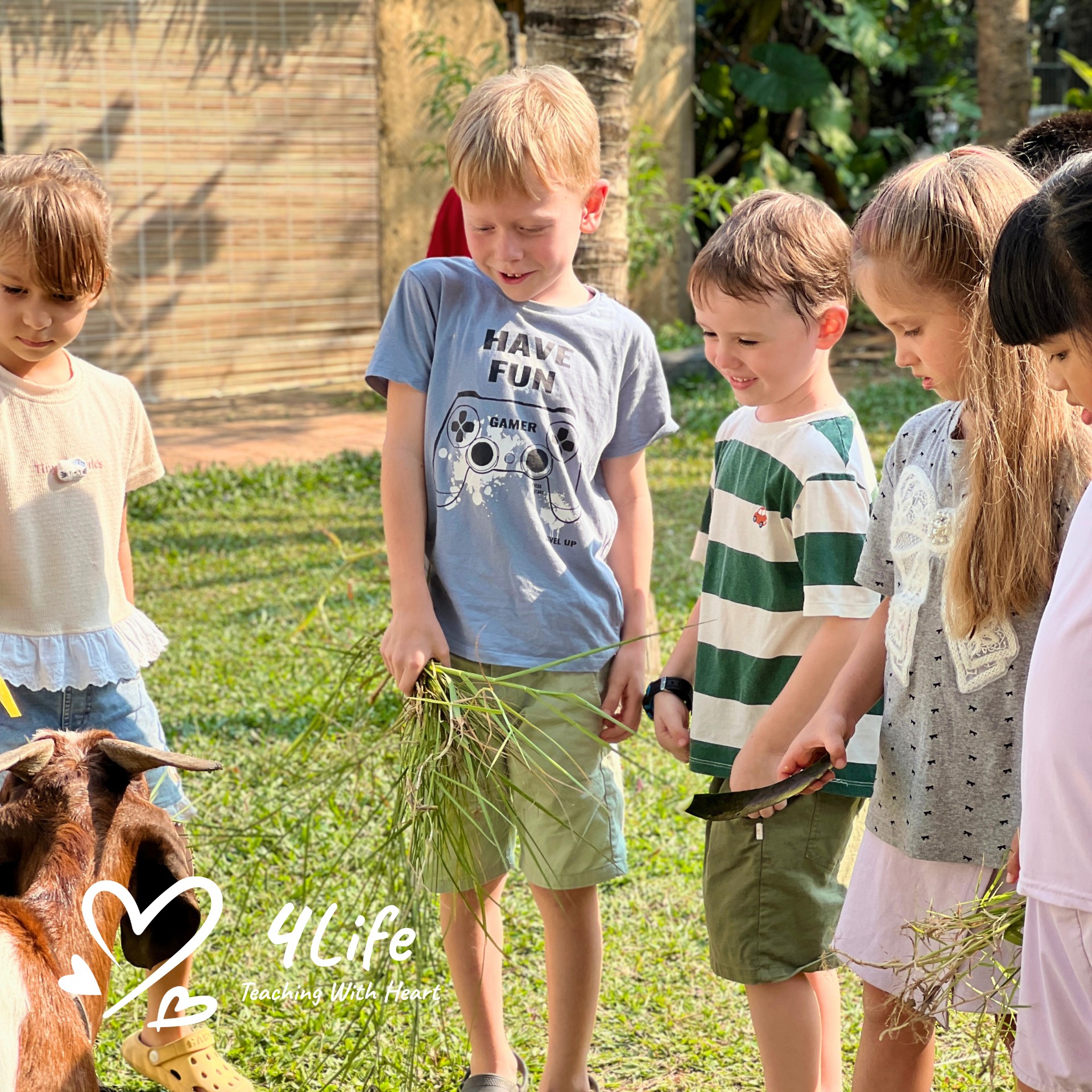
Unlike “forcing a child to sit still,” natural concentration does not come from rigid discipline but from freedom and a suitable environment. It is an important sign that a child is learning and developing intellectually in a natural way.
Why young children can concentrate more deeply than adults think
Many adults believe that young children are easily distracted, but in reality, the opposite is often true. When children are genuinely interested, they can maintain attention for a very long time. There are cases where children can stand and observe something for dozens of minutes, even hours. This is not passivity, but a process of absorbing and processing information.
Young children are not yet distracted by as many factors as adults, so once they focus on something, they can concentrate very deeply. Natural concentration in young children is a clear expression of active and effective learning.
Observation is the foundation of concentration
Before children can concentrate, they need to observe. Observation helps them become familiar with objects, understand context, and gradually develop interest. When children observe long enough, they begin to engage and focus on the activity. This is a natural and continuous process.
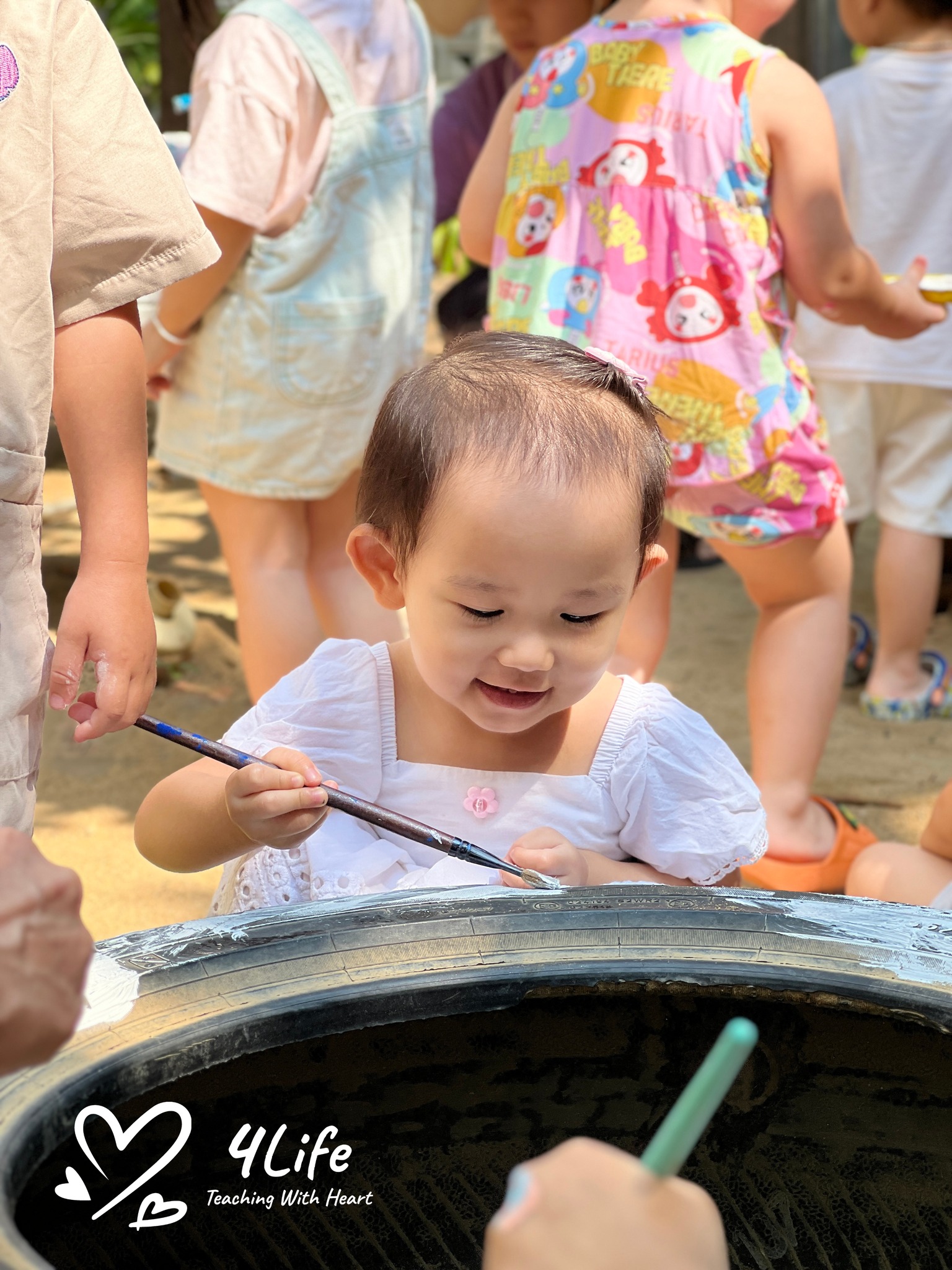
If parents interrupt the observation stage, children will find it difficult to enter a state of deep concentration. As a result, they may give up easily or switch to another activity. Therefore, respecting a child’s observation time is the first step in nurturing natural concentration.
Common mistakes that reduce children’s natural concentration
One common mistake is that parents frequently interrupt when a child is concentrating. Calling their name, asking questions, or asking them to do something else disrupts their flow of thought. In addition, scheduling too many activities in a day leaves children without enough time to focus on any one task.
Some parents also worry when they see their child “sitting still for too long” and assume the child is being lazy. In fact, this may be when the child is deeply focused. If these habits are repeated often, they can weaken a child’s natural ability to concentrate.
Freedom is essential for maintaining concentration
Concentration cannot develop in an overly controlled environment. Children need space and time to freely choose their activities. When they engage in what they enjoy, concentration arises naturally. They do not need to be forced to maintain attention.
On the other hand, if all activities are decided by adults, children will struggle to develop the habit of concentrating. Giving children freedom does not mean neglecting them, but rather creating conditions for them to grow at their own pace.
The role of parents in nurturing concentration
Parents play a crucial role in protecting and nurturing natural concentration in young children. The first step is learning to observe rather than intervene. When a child is concentrating, parents should remain quiet and avoid interruptions. This respect helps children maintain focus for longer periods.

Additionally, parents should create an environment with minimal distractions. A quiet and tidy space will better support the child. Parental patience is the key factor in helping children develop sustainable concentration skills.
Concentration and the development of intellect and character
Concentration not only affects learning but is also closely related to a child’s character development. When children can concentrate, they become more persistent and responsible for their tasks. Concentration helps them complete activities and experience a sense of achievement, which builds confidence and intrinsic motivation.
Moreover, concentration helps children better regulate their emotions and behavior. This forms a foundation for holistic development. Therefore, natural concentration in young children is not just a skill but a core element in their growth.
How to help children develop natural concentration
To nurture natural concentration in young children, parents should start by respecting their developmental pace. Each child has a different speed and way of learning. Parents should create opportunities for children to engage in activities that match their interests and age, making it easier for them to enter a focused state.

In addition, minimizing interruptions and limiting the use of electronic devices are also important. Most importantly, trust your child’s ability and patiently accompany them throughout their development.
Natural concentration ability in young children is a valuable capacity that needs to be nurtured properly from the early years. When parents understand and respect their child’s concentration process, they create conditions for the child to develop intellectually, emotionally, and in character in a holistic way. Natural concentration cannot be formed through force, but through freedom, a suitable environment, and the patient companionship of parents. This is the solid foundation that helps children learn effectively and grow into confident individuals in the future.