
Understanding children’s developmental stages and need for growth is one of the most important responsibilities parents have during the journey of raising a child. Many adults often assume that children are stubborn, disobedient, or overly sensitive. In reality, however, these behaviors may simply be natural expressions of growth and development.
Every stage of childhood comes with unique psychological needs, emotional changes, and a strong desire to explore the world. When parents understand children’s developmental stages and need for growth, supporting a child becomes more effective and less stressful. Instead of relying on control or pressure, parents can guide children in ways that respect natural development and encourage healthy growth.
Why is it important to understand children’s developmental stages?
Every child grows and develops in a unique way. Changes in thinking, emotions, and behavior occur continuously throughout the early years. However, adults do not always recognize the deeper meaning behind these changes. At certain stages, children become curious about everything around them. They ask endless questions, explore new experiences, and want to do things independently. At other times, children may appear more sensitive, cry easily, or react strongly to small changes in daily life.

When parents focus only on outward behavior without understanding the developmental processes taking place internally, it is easy to misinterpret children’s actions as defiance or unwillingness to cooperate. Understanding children’s developmental stages and need for growth helps parents see the true purpose behind behavior and respond in a more supportive way.
The need for growth is a natural part of childhood
From the earliest years of life, children possess an innate desire to grow, learn, and become more capable. This motivation is not created by adults; it is a natural force that exists within every child. When children want to dress themselves, feed themselves, or choose toys independently, these actions are signs of an emerging need for growth. Children are seeking opportunities to experience competence, autonomy, and self-confidence.
Many parents, out of concern or a desire to save time, often complete tasks on behalf of children. While well-intentioned, this can unintentionally reduce opportunities for developing independence. Understanding children’s developmental stages and need for growth allows parents to create environments where children can try new things, make mistakes, and learn through experience.
When children begin developing independence?
One of the most noticeable changes during development is the emergence of independence. Children gradually begin wanting to make decisions based on personal preferences rather than relying entirely on adults. This shift is often the reason parents feel that children have become more difficult to manage. Children may refuse requests, challenge decisions, or insist on choosing things for themselves.

However, these behaviors should not automatically be viewed as disobedience. They often reflect a healthy and natural developmental process. When parents understand the significance of this stage, they are more likely to guide children with patience and respect instead of criticism or force.
Parent-child conflicts often result from misunderstanding
As children develop personal opinions and preferences, disagreements between parents and children can become more frequent. Adults may expect obedience, while children seek opportunities to express independence. Many parents interpret this behavior as stubbornness or intentional resistance. In reality, these situations are often signs that children are progressing through an important developmental stage.
The issue is not that children have opinions of their own. Rather, challenges arise when adults misunderstand the developmental need behind those opinions. Understanding children’s developmental stages and need for growth helps parents recognize that differing viewpoints are not necessarily negative. Instead, they provide valuable opportunities for children to learn communication, negotiation, and social skills while building character.
Children need freedom to develop at their own pace
Every child matures at a different rate. Some children prefer observing a new activity for a long time before participating, while others are eager to try immediately. When adults become impatient or constantly push children to move faster, children may experience stress and lose confidence. Healthy development requires space, time, and respect for individual differences.
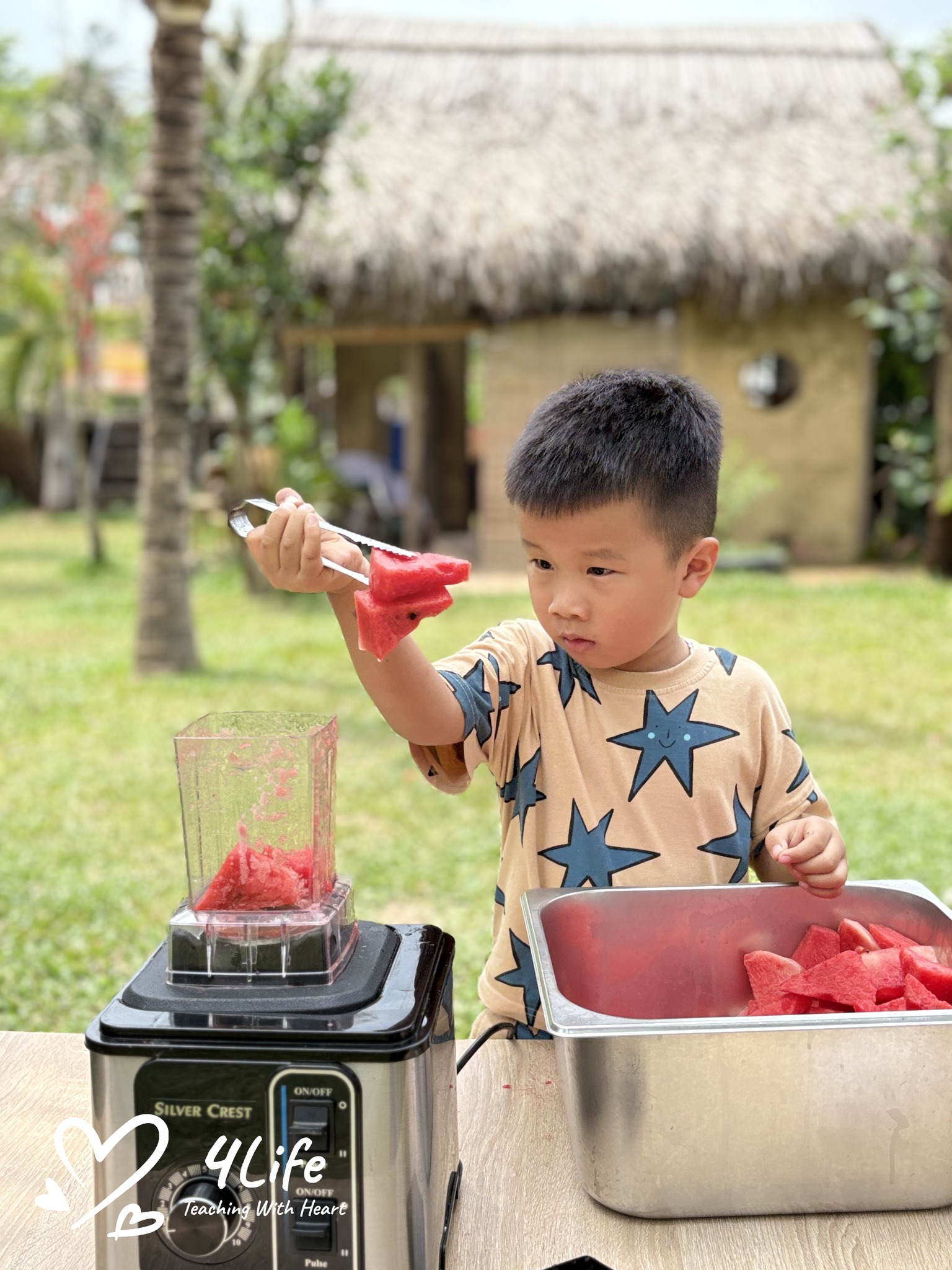
Children need the freedom to manage experiences according to personal readiness. This does not mean removing all boundaries. Rather, it means providing appropriate guidance while allowing natural growth to occur. Such freedom helps children develop self-control, concentration, confidence, and problem-solving skills.
Observation is how children learn and grow
Young children learn primarily through observation. Before attempting a new activity, children often spend considerable time watching, listening, and gathering information. Many adults underestimate the value of this process and assume that children are being passive or slow. In reality, observation is an essential foundation for learning.
During observation, children are analyzing situations, storing information, and constructing an understanding of the world. Understanding children’s developmental stages and need for growth also means respecting children’s need to observe before taking action. Observation is often the preparation stage that makes successful learning possible.
What adults do not understand is not necessarily unreasonable?
Many childhood behaviors seem puzzling to adults. A child may insist on keeping a cookie whole rather than breaking it into pieces, repeatedly arrange objects in a specific order, or perform the same activity over and over again. Adults often judge these actions according to adult logic. Yet behind such behaviors may lie important developmental needs.
As children grow, they are developing an understanding of order, beauty, harmony, consistency, and completeness. When parents take time to observe rather than immediately judge, they gain valuable insight into the child’s inner world and developmental process.
Love helps parents understand children more deeply
True understanding cannot exist without love. When parents genuinely care about children, they become willing to observe carefully, listen attentively, and explore what is happening beneath the surface of behavior. Love is more than providing food, clothing, and material support. It also involves presence, patience, and sincere attention.
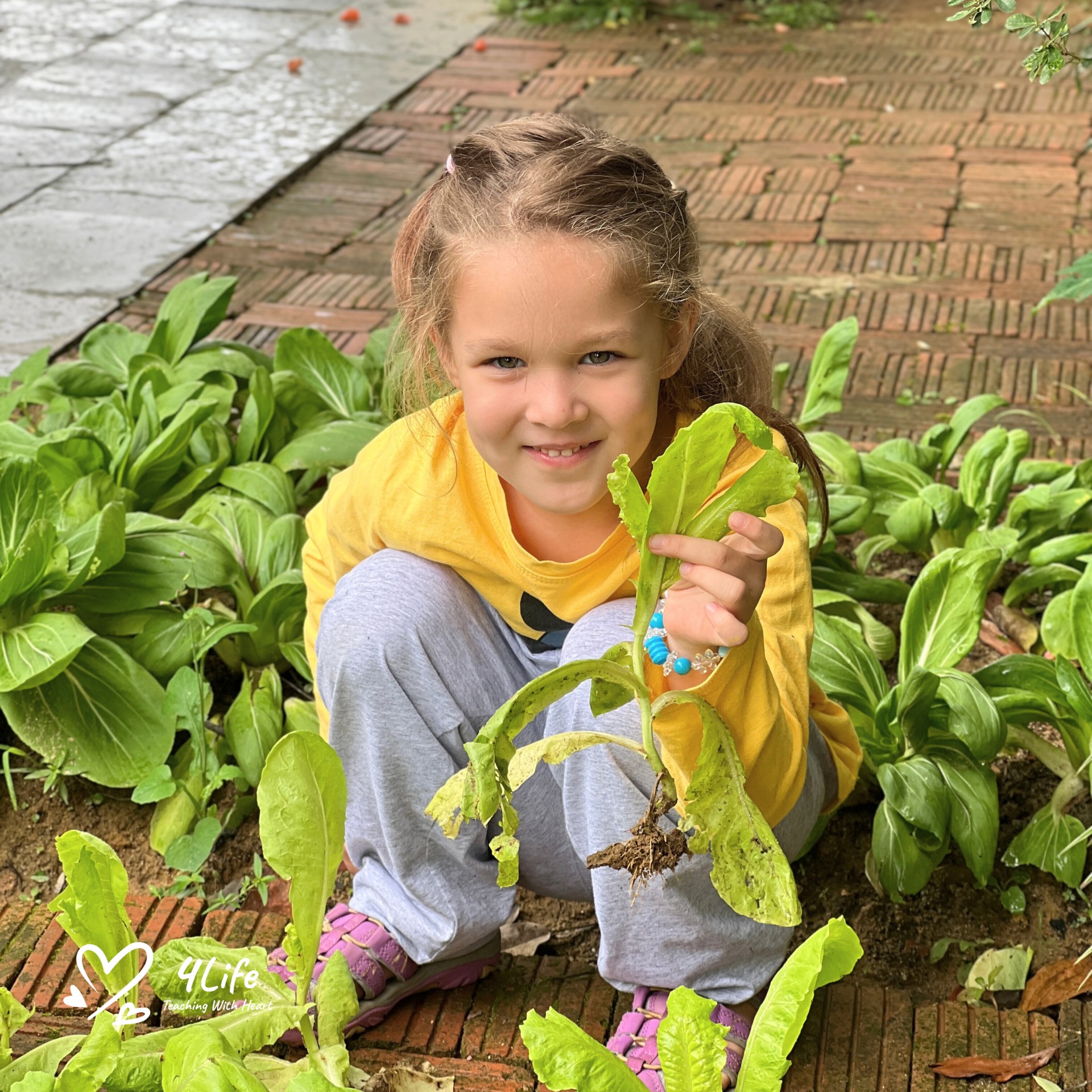
Often, children do not need lengthy lectures or constant correction. What children need most is an adult who is willing to listen. Love allows parents to recognize the real needs hidden behind behavior, creating stronger and more positive relationships with children.
Supporting children during the early years
The early years are among the most significant periods of human development. During this time, children’s personalities, emotions, social abilities, and thinking patterns are rapidly forming. These years also represent a period when parental influence is especially powerful. Rather than focusing exclusively on achievements or obedience, parents should pay close attention to children’s natural developmental needs.
Every moment spent observing, listening, encouraging, and patiently waiting for growth carries lasting value. When parents understand children’s developmental stages and need for growth, parenting becomes less about control and more about partnership, guidance, and connection.
Understanding children’s developmental stages and need for growth is the key to building a positive and lasting relationship between parents and children. Every behavior has a reason and often reflects an important developmental need. When parents observe carefully, listen with patience, and respect the natural pace of growth, children gain greater opportunities to develop intellectually, emotionally, and socially. Understanding children’s developmental stages and need for growth not only helps parents raise children more effectively but also allows children to grow up with confidence, happiness, and a strong sense of security. Through love, understanding, and respect for natural development, parents can support children in reaching their full potential.