
Montessori activities suitable for each preschool age group help children learn naturally through play, discovery, and independence. Each stage of development requires a different approach to nurture both intelligence and life skills. Let’s find out with 4Life Education how Montessori activities can be thoughtfully adapted to support every child’s unique journey.
Understanding the Montessori approach
The Montessori method is built on respect for each child’s natural curiosity and ability to learn through hands-on experience. Rather than traditional instruction, it provides an environment where children can explore, make choices, and learn at their own pace. Montessori activities are carefully designed to engage a child’s senses and foster concentration, independence, and problem-solving.

Building sensory awareness
Sensory materials are key for children aged two to three. Activities like touching different textures, sorting by size, or using sound cylinders to match tones develop fine motor skills and sensory perception. These early experiences help children form the foundation for language and logical thinking later on.
Montessori activities for ages 3 to 4
Exploring language and communication
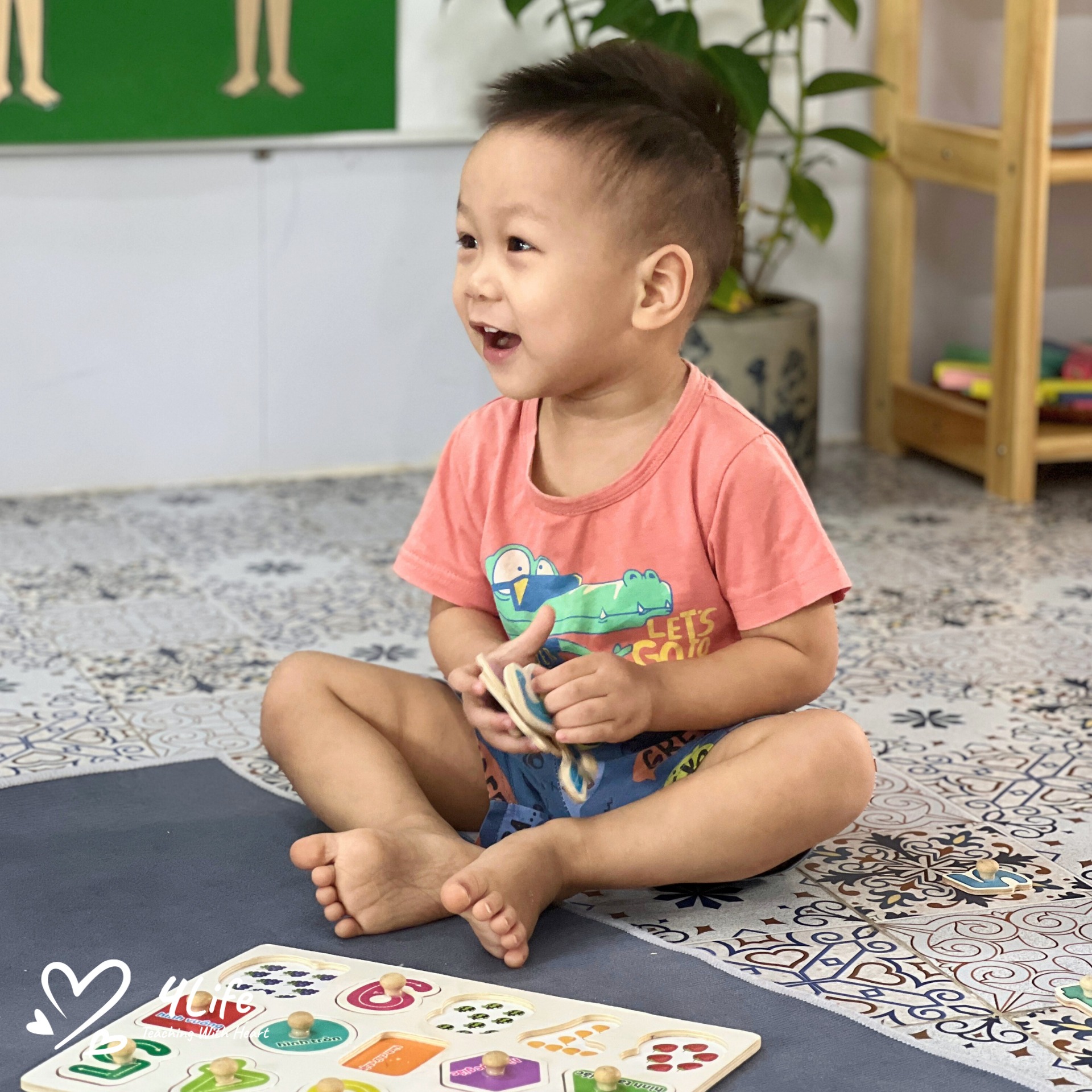
Children at this stage are curious about words, sounds, and names. Montessori language activities include sandpaper letters, sound-matching games, and storytelling using picture cards. These activities connect visual and tactile senses, helping children recognize letter shapes and sounds naturally without pressure.
Encouraging order and responsibility
A sense of order grows stronger between ages three and four. Children enjoy sorting, cleaning, and caring for their surroundings. Activities such as setting a table, organizing shelves, or watering plants help children understand routines, responsibility, and care for their environment.
Montessori activities for ages 4 to 5
Strengthening concentration and logical thinking
Between four and five, children begin to show deeper focus and interest in solving problems. Montessori math materials such as number rods, bead chains, and sandpaper numerals introduce mathematical concepts through touch and sight. Children learn to count, compare lengths, and recognize patterns while developing logical reasoning.
Expanding creativity and imagination
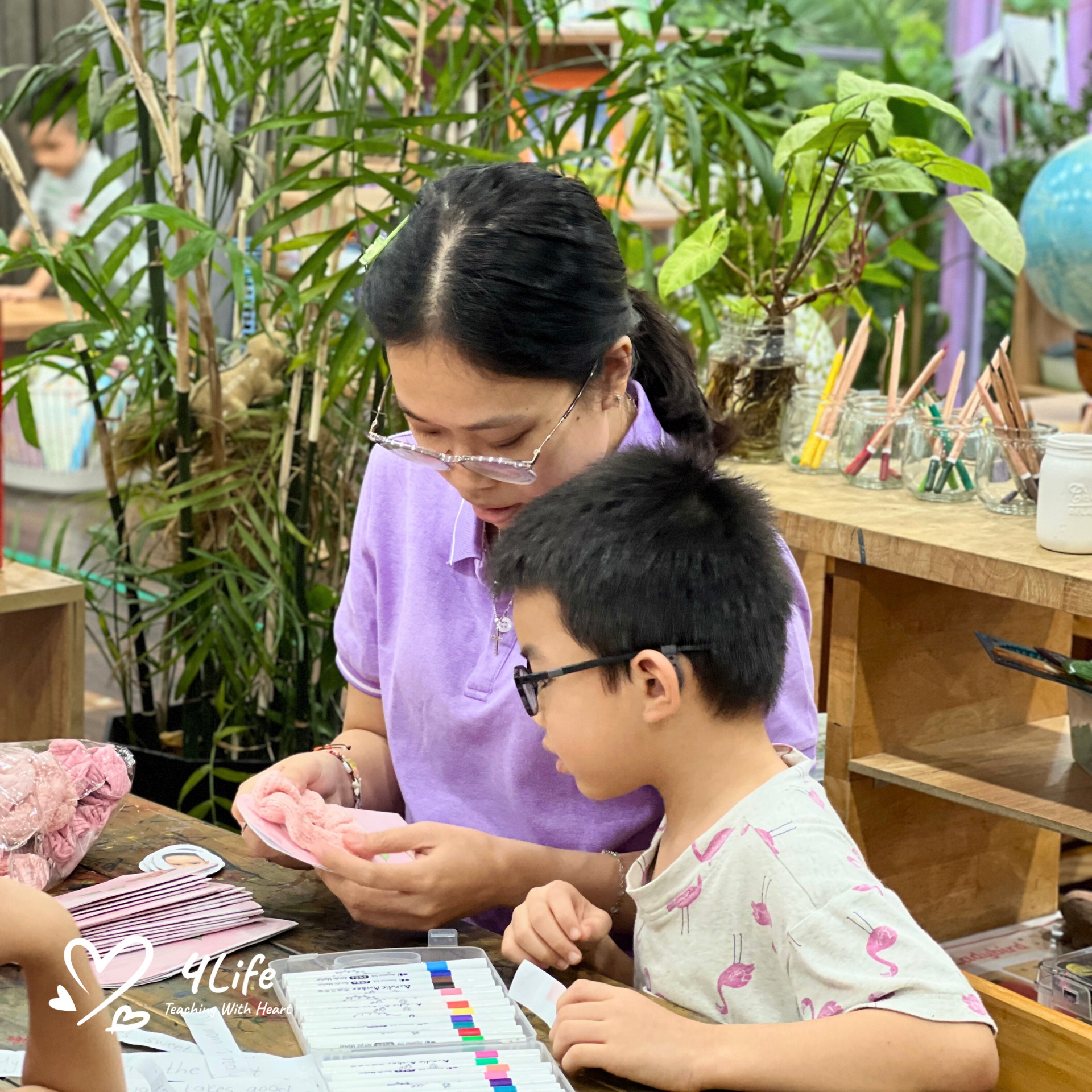
Art and music also play an important role during this stage. Providing open-ended materials like clay, crayons, and simple instruments allows children to express themselves freely. Through these creative experiences, they strengthen emotional understanding and fine motor control.
Montessori activities for ages 5 to 6
Preparing for academic readiness
At this stage, Montessori activities naturally transition toward early reading, writing, and arithmetic. Children can build words using moveable alphabets, practice writing with chalkboards, and explore number composition through hands-on materials. These activities not only prepare them for formal education but also foster a genuine love of learning.
Promoting teamwork and social growth
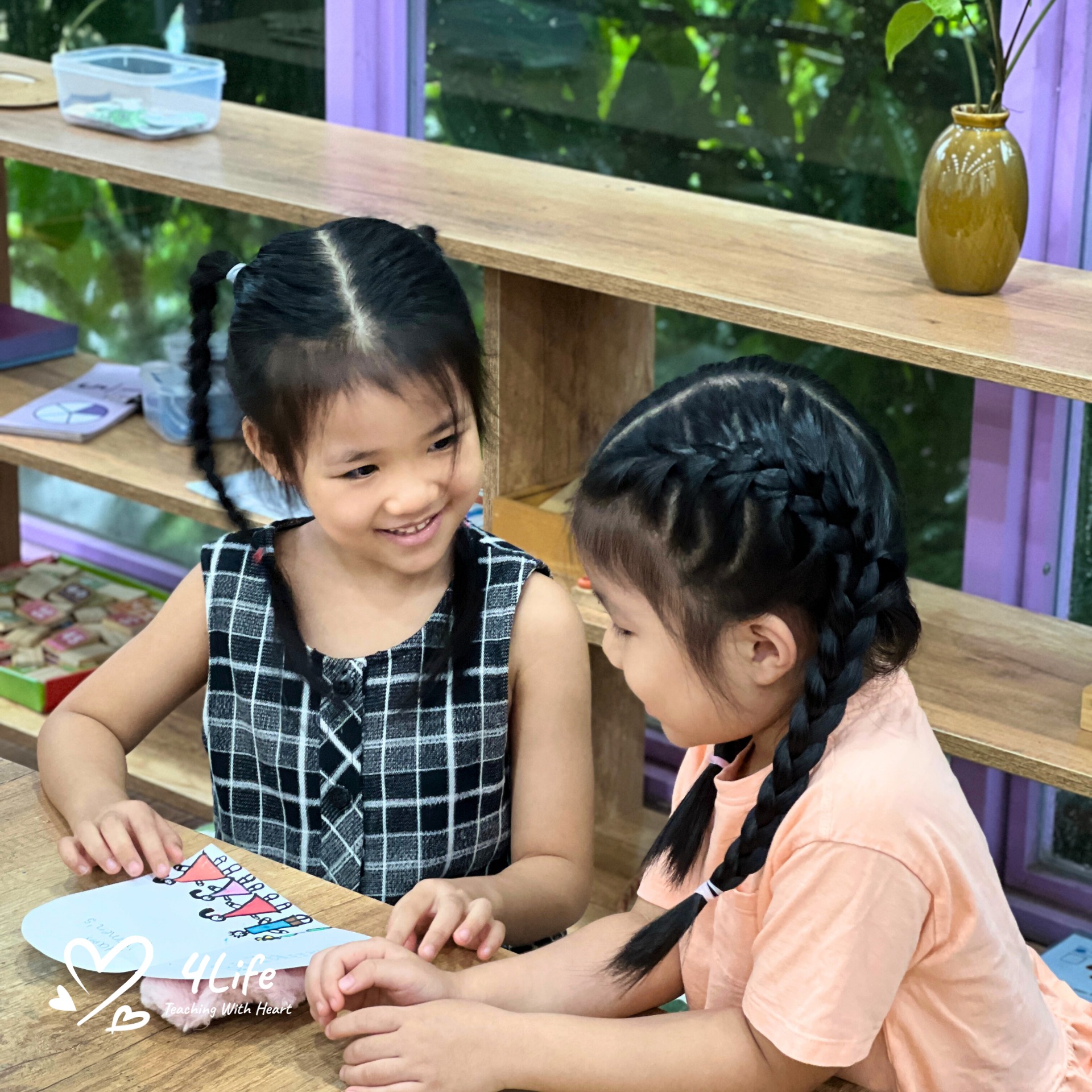
Older preschoolers start to collaborate more with peers. Group activities such as building block structures, gardening, or cooking simple recipes help children practice sharing, communication, and empathy. They learn how teamwork contributes to achieving shared goals—an essential skill for life beyond the classroom.
Creating a Montessori environment at home
Parents can easily bring Montessori principles into the home by preparing a child-friendly space that encourages independence. Use low shelves for toys, accessible hooks for coats, and real child-sized tools for cleaning or cooking. By involving children in daily routines like folding laundry or preparing snacks, parents help them build confidence, responsibility, and self-control.
Montessori activities suitable for each preschool age group are designed to meet the natural needs and abilities of children at every stage. From learning to pour water to solving math puzzles or caring for plants, each activity nurtures curiosity, independence, and love for discovery. When children are given freedom within structure, they don’t just learn—they thrive. Through Montessori experiences, we can help every child grow confidently and joyfully into their fullest potential.