
When do children begin to develop independence? This is a common question many parents ask during the journey of raising a child. In reality, independence does not appear suddenly – it begins very early and gradually develops through each stage of growth. Behaviors such as wanting to do things on their own, resisting interference, or expressing personal opinions are all signs that independence is forming.
However, if parents do not clearly understand when children begin to develop independence, they may mistake these behaviors for stubbornness or disobedience. This misunderstanding can lead to unnecessary conflicts. So how can parents recognize the right timing and support their child effectively? Let’s explore this topic together with 4Life Education in this article.
Independence begins at a very early age
Many parents believe that children only develop independence when they are older or start school. In fact, this process begins much earlier – right from the moment children start becoming aware of themselves. From the earliest years, children show a desire to explore the world around them. They want to touch objects, move freely, grasp things, and experience everything firsthand. These actions form the foundation of independence.
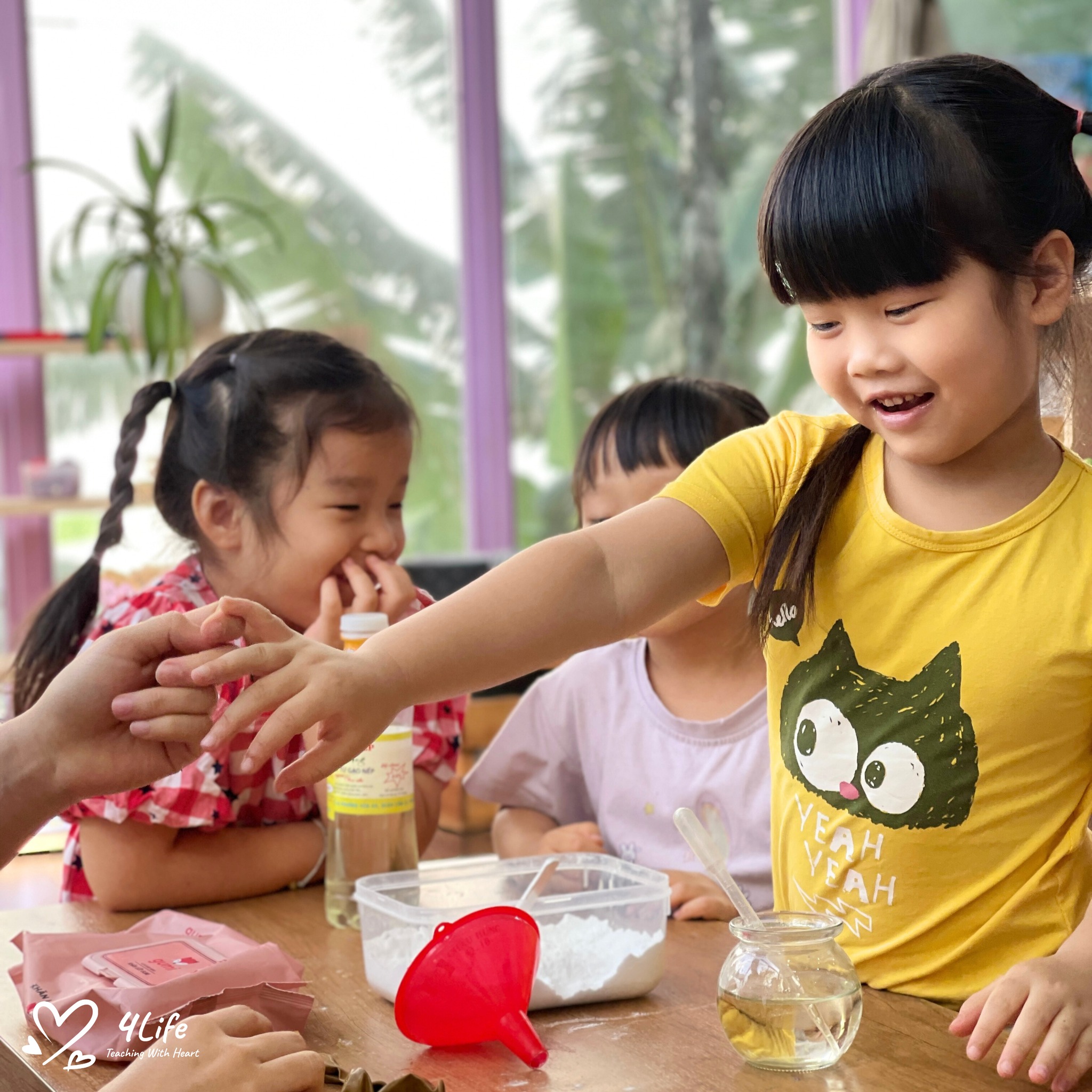
As children grow, this need becomes more obvious. They begin wanting to eat by themselves, dress themselves, and choose their own toys or activities. These behaviors are not random – they are clear signs that a sense of self is developing. When parents understand this, they will realize that independence is not something to control, but something to nurture.
Signs that a child is developing independence
There are several signs that help parents recognize when a child is developing independence. One of the most obvious signs is the desire to do everything on their own without help. Children may refuse assistance from adults, even when tasks are beyond their ability. For example, they may insist on dressing themselves even if they struggle, or feeding themselves even if they make a mess.
In addition, children begin expressing their own opinions and may not agree with everything their parents say. Phrases like “I can do it myself,” “I don’t like it,” or simply “no” become more frequent. Another sign is increased sensitivity to control. When forced or overly controlled, children may react by crying, getting upset, or resisting. These reactions are not negative behaviors – they are signs of normal development.
Why children are often misunderstood as stubborn?
As children begin to develop independence, many parents feel frustrated because their child is no longer as “obedient” as before. This often leads to labeling children as stubborn, difficult, or disobedient. The main reason lies in the difference in perspective between adults and children. Parents often value efficiency, order, and control, while children need time to experiment and learn.
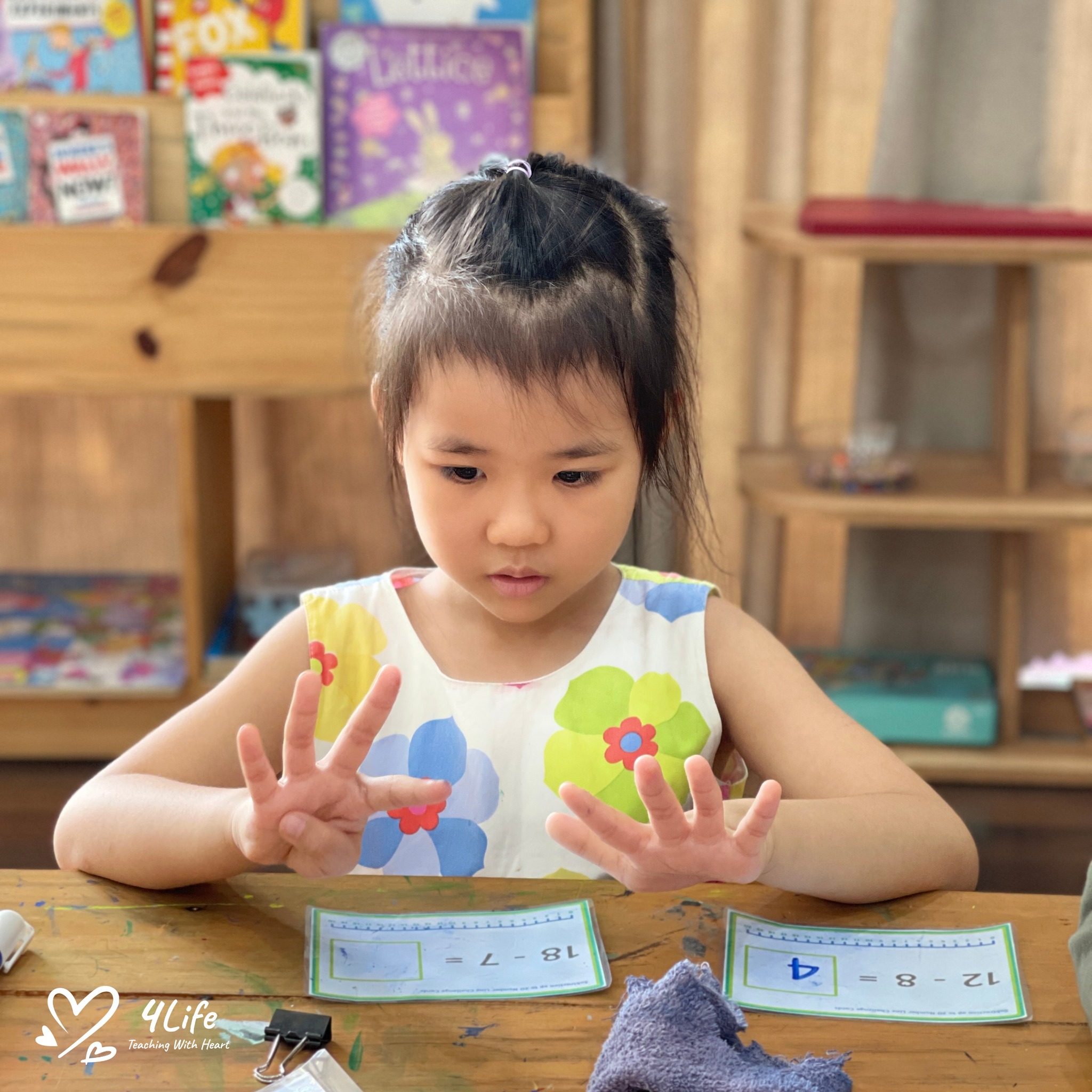
When children try to do things on their own, the process is usually slower and imperfect. This can test parents’ patience and lead them to intervene. However, such intervention can make children feel restricted, causing stronger resistance. If parents do not understand when children begin to develop independence, they may view natural developmental behaviors as problems that need to be corrected.
Parent–child conflicts during the independence stage
The development of independence is an important milestone, but it is also a stage where conflicts between parents and children are more likely to arise. When children want to act according to their own wishes while parents try to control or guide them in a certain way, clashes are almost inevitable. This is especially common between the ages of 2 and 4.
In many cases, parents try to make children comply quickly to save time and effort. However, this can make children feel disrespected. On the other hand, when parents recognize this as a normal developmental phase, they can adopt a gentler approach. Instead of confronting the child, they can guide and support them flexibly. Resolving conflicts is not about determining who is right or wrong, but about finding a balance between the child’s needs and parental guidance.
How to support children in developing independence
To help children develop independence in a healthy way, parents need to adjust their approach. The key is to create an environment that is both safe and allows freedom for exploration. First, give children opportunities to do tasks appropriate to their abilities. Even if the results are not perfect, the process is crucial for development.
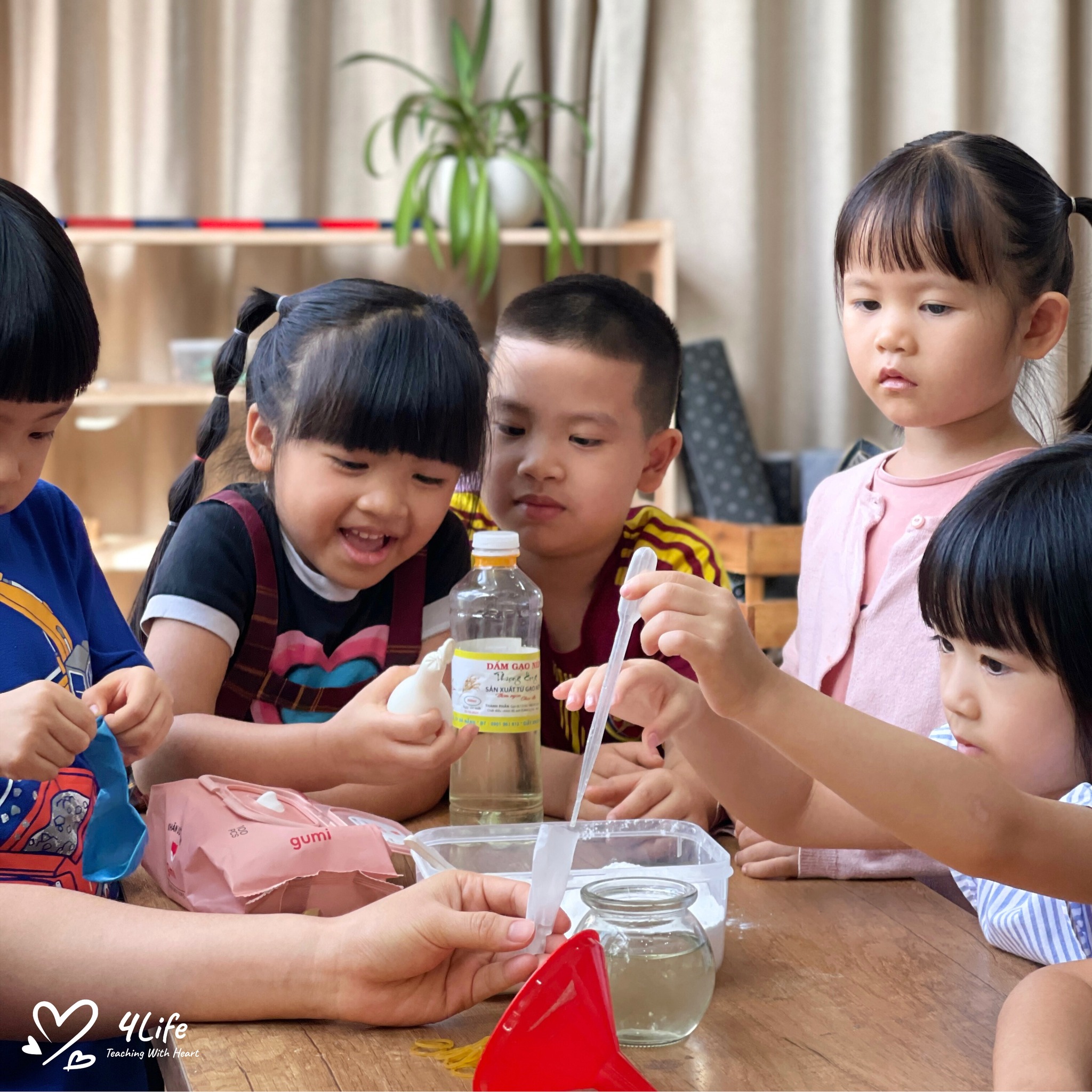
Parents should also be patient and avoid stepping in too quickly. When children face difficulties, instead of doing things for them, guide them so they can solve problems themselves. Listening to and respecting children’s opinions is equally important. When children feel respected, they are more cooperative and less resistant. Finally, parents should maintain clear but flexible boundaries. This helps children understand that freedom comes with responsibility.
Love and understanding as the foundation
In parenting, love and understanding are always essential. Children not only need care, but also respect and genuine listening. When parents are truly patient and attentive, children feel safe. This sense of security builds confidence and encourages them to explore and grow.
On the contrary, if parents are overly strict or controlling, children may become stressed and lose confidence. This can affect not only their present but also their long-term development. Understanding when children begin to develop independence helps parents handle daily situations better and build a stronger, more lasting relationship with their child.
When do children begin to develop independence? It is not a fixed milestone, but a process that starts early and evolves over time. When parents understand and respect this stage, they can support their children more gently and effectively. Encouraging independence does not mean losing control – it helps children develop confidence, responsibility, and self-reliance. Instead of worrying or imposing control, parents should learn to observe, listen, and support their children at the right moments, helping them grow naturally and holistically.