
How to develop self-control in children does not begin with asking children to do everything on their own or always behave according to what adults want. Self-control is gradually formed when children have opportunities to make choices, experience things on their own, solve difficulties appropriate to their abilities, and recognize the results of their actions. When living in an orderly environment with clear limits and being respected, children will gradually learn to control their behavior, thoughts, and emotions.
Parents can start with very familiar activities such as putting away their belongings, choosing what they want to do, completing a task, or fixing something when they make a mistake. Join 4life.edu.vn to learn more in this article about how to develop self-control in children and how to create conditions for children to become more proactive in life.
What is self-control in children?
Self-control is the ability that helps children proactively make choices, adjust their actions, and carry out appropriate tasks without always needing guidance from adults. A self-controlled child does not necessarily have to always be well-behaved or follow every request correctly. More importantly, children gradually learn to think about their actions, recognize limits, and have the ability to adjust themselves when necessary.
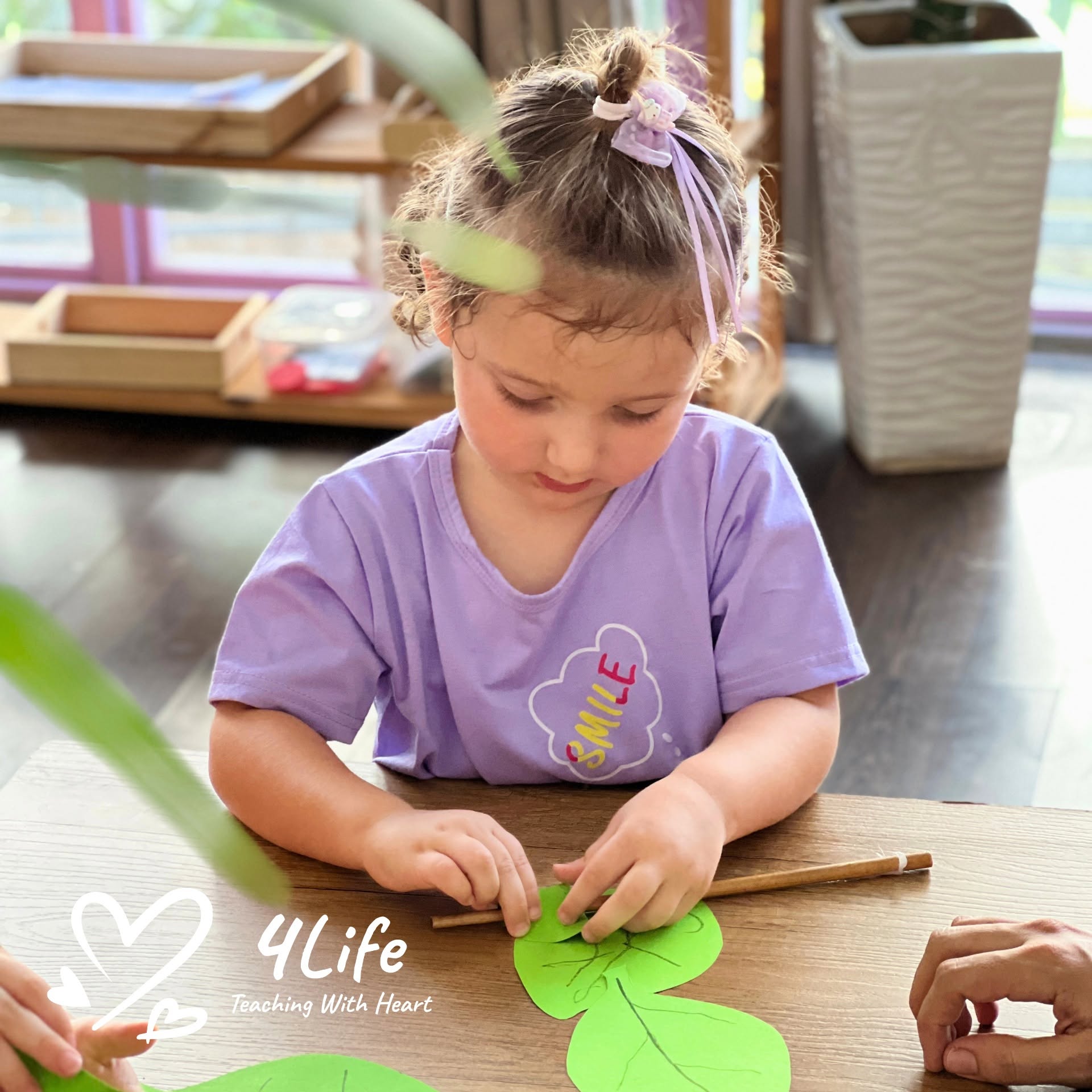
This ability is formed through the child’s natural development process. When children are allowed to choose an activity that interests them, they tend to repeat it, concentrate, and find ways to solve difficulties that arise. Through each experience, children gain more understanding of themselves and the environment around them. Therefore, how to develop self-control in children should begin by giving children appropriate opportunities instead of controlling every action.
Freedom is the foundation for developing self-control in children
Children need a certain level of freedom to explore and understand the world. When allowed to choose activities that suit their needs, children have a natural motivation to participate. Their interest makes them want to do the activity repeatedly, concentrate for longer, and gradually recognize how things work.
However, freedom does not mean that children can do whatever they want. Children still need limits to protect their safety and the rights of those around them. When limits are clearly established, children will have a safe enough space to make choices and have experiences. The combination of freedom and appropriate limits creates conditions for children to gradually learn how to regulate themselves instead of simply acting under the control of adults.
Why should adults not do too much for children?
When children encounter difficulties, adults often tend to help immediately so that children do not waste time or make mistakes. However, if everything is done for them, children will have fewer opportunities to experience the feeling of solving problems on their own. Over time, children may develop the habit of waiting for someone else to give instructions or support before starting a task.
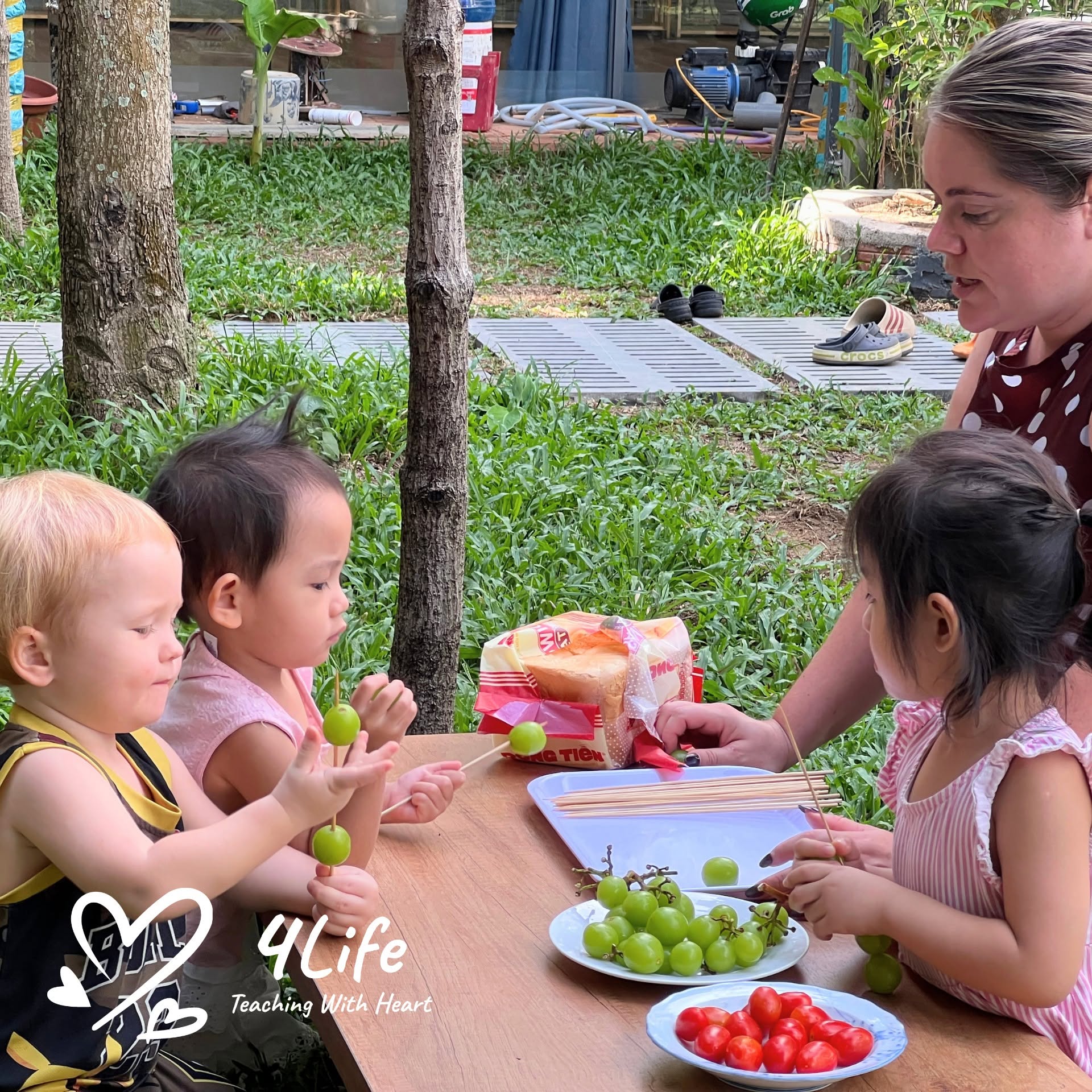
Parents can observe before intervening. If children are still able to continue, give them more time. When necessary, adults can provide a short suggestion instead of completing the task for them. A child who dresses themselves, puts away their belongings, or finds a way to solve a small problem is accumulating very important experiences. These experiences contribute to developing self-control in children.
Give children choices appropriate for their age
Choice is an important part of the process of developing self-control. When children are allowed to participate in making decisions, they will feel that they have a voice and are responsible for their actions. Parents can start with simple choices, such as choosing between two outfits, choosing the book they want to read, or deciding which activity should be done first.
The number of choices does not need to be too large. If there are too many options, children may find it difficult to decide. A few clear choices that are appropriate for their abilities will help children make decisions more easily. When choices become part of daily routines, children will gradually learn to consider options, recognize their preferences, and understand that every decision comes with a certain result.
Create an environment that encourages children to be proactive
The living environment has a significant influence on children’s self-control. If all belongings are out of reach, children will find it difficult to take and put things away on their own. If there is no fixed place for each item, children will also find it difficult to develop organizing habits. Therefore, parents should prepare a suitable space where children can carry out tasks that are within their abilities on their own.
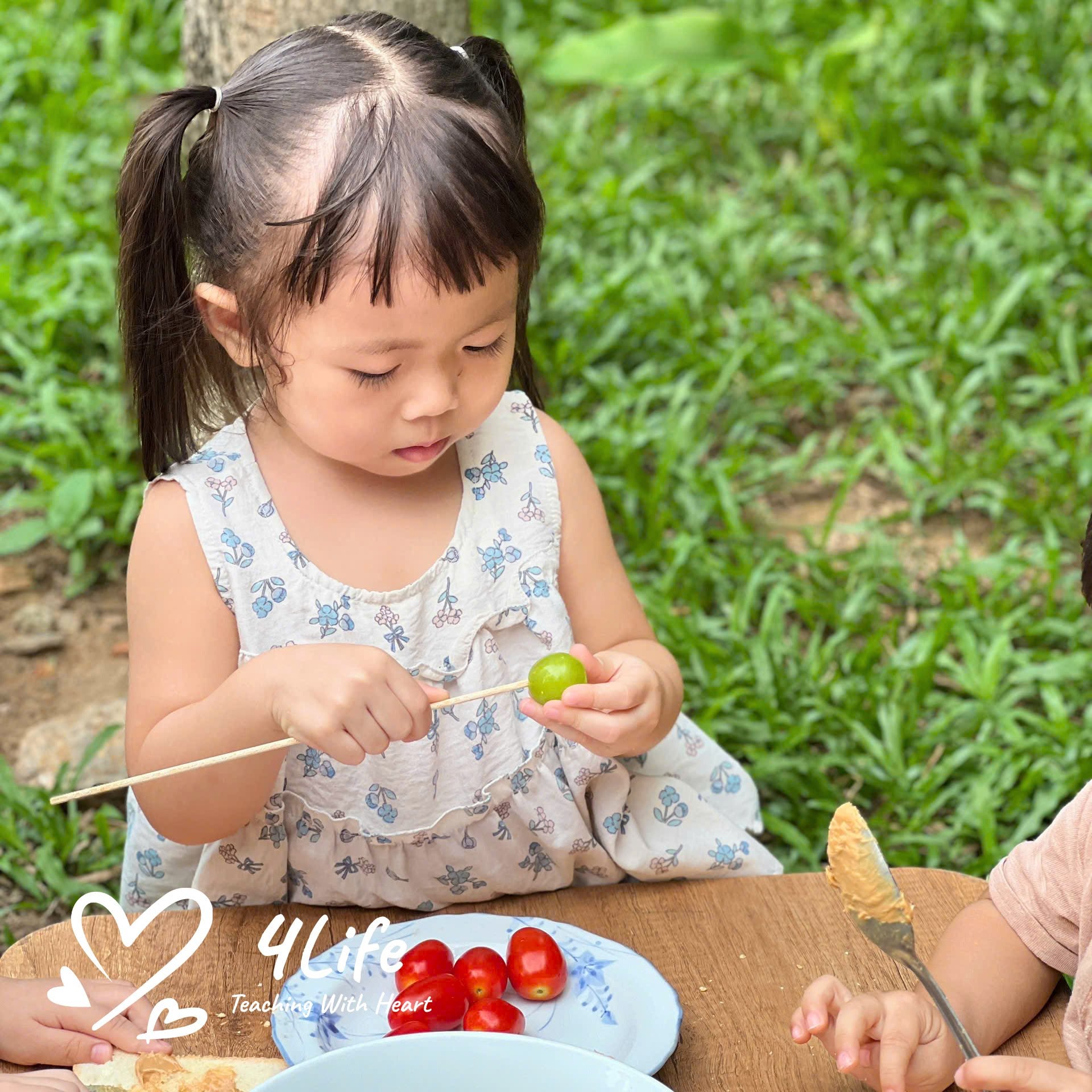
Books can be placed where children can easily reach them, toys can be sorted and kept in familiar places, and clothes or personal belongings can be arranged in a way that children can use independently. When the environment is orderly, children will find it easier to understand the sequence of activities. From knowing how to take things, use them, and put them back, children gradually develop a sense of responsibility for their living space.
Concentration helps children take control of their activities
Concentration plays an important role in developing self-control. When children are able to focus on a task for a long time, they have the opportunity to observe, experiment, and recognize problems on their own. If adults constantly interrupt them, children will find it difficult to stay engaged long enough to complete the exploration process.
Parents do not need to constantly urge children when they are concentrating on an appropriate activity. Give them the time they need to try, make mistakes, and try again. When they complete a task, children will have a clearer sense of their own abilities. This feeling of success motivates children to continue taking initiative in other activities.
Let children learn to take responsibility for their actions
Self-control is always connected with responsibility. When children understand that their actions create results, they will have more grounds to adjust their behavior. For example, if a child spills water, they can be guided to get a towel and wipe it up. If they take out too many toys, they can put them away after playing.
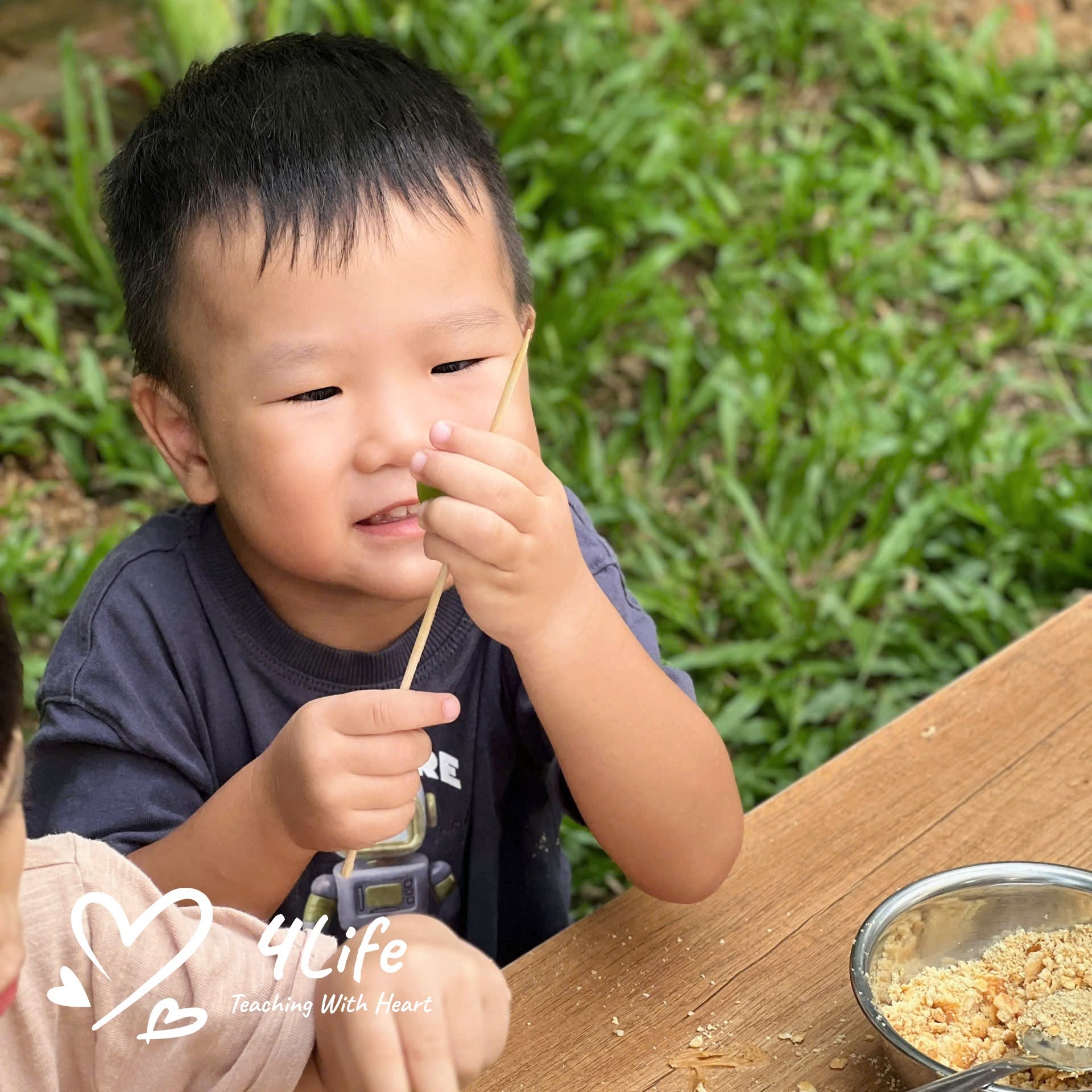
Situations like these do not need to become punishments. The goal is to help children recognize the connection between actions and results. When children participate in fixing a problem, they will understand that they are capable of solving things that happen because of their own actions. This is an important step in how to develop self-control in children.
Help children develop habits instead of controlling every task
A child who only does things because adults remind them is not necessarily self-controlled. If parents have to remind children every day to put away their belongings, brush their teeth, get dressed, or prepare their things, children may become accustomed to waiting for a reminder before taking action.
Instead of constantly giving instructions, parents can establish a familiar sequence. For example, after playing, put things away; before going to bed, prepare clothes for the next day. When the sequence is repeated regularly, children will gradually remember it and take initiative in carrying it out. Adults can gradually reduce reminders when they notice that children have developed the habit.
Respect children during their growth
Respect is an important factor in building self-control. When children make mistakes, parents do not necessarily have to shout at them or make them feel ashamed. Instead, adults can point out the inappropriate action and guide children on how to fix it.
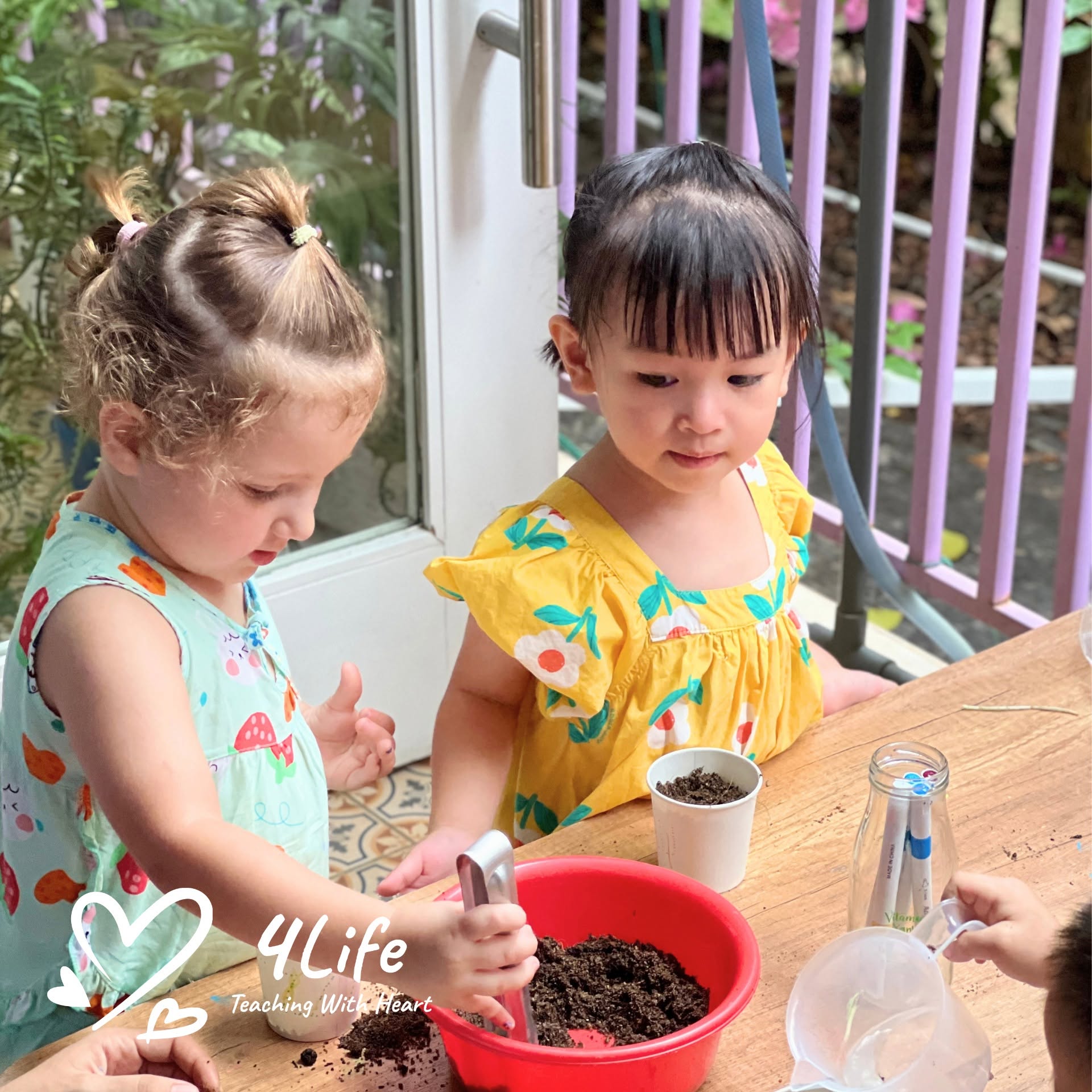
When children feel respected, they have more space to try and make mistakes. They understand that making a mistake does not mean they are incapable. What matters is knowing how to look back and try again. Such an environment helps children build confidence and gradually trust in their own abilities.
Limits need to be maintained clearly and consistently
Giving children autonomy does not mean ignoring behaviors that affect others. Children need to understand that there are limits that cannot be crossed arbitrarily, such as not hitting others, not taking other people’s belongings, or not intentionally disturbing someone when they are concentrating.
These limits should be maintained consistently by adults. When the same behavior is handled differently each time, children will find it difficult to understand the rules. In contrast, simple and clear principles will help children know what they can choose within a certain range. Once they understand the limits, children have the conditions to practice self-control in a safe environment.
Encourage children to solve problems on their own
Self-control is clearly demonstrated when children encounter a problem and can find a way to solve it instead of immediately turning to an adult. Therefore, parents should not be too quick to give answers to every question or solve every difficulty for their children.
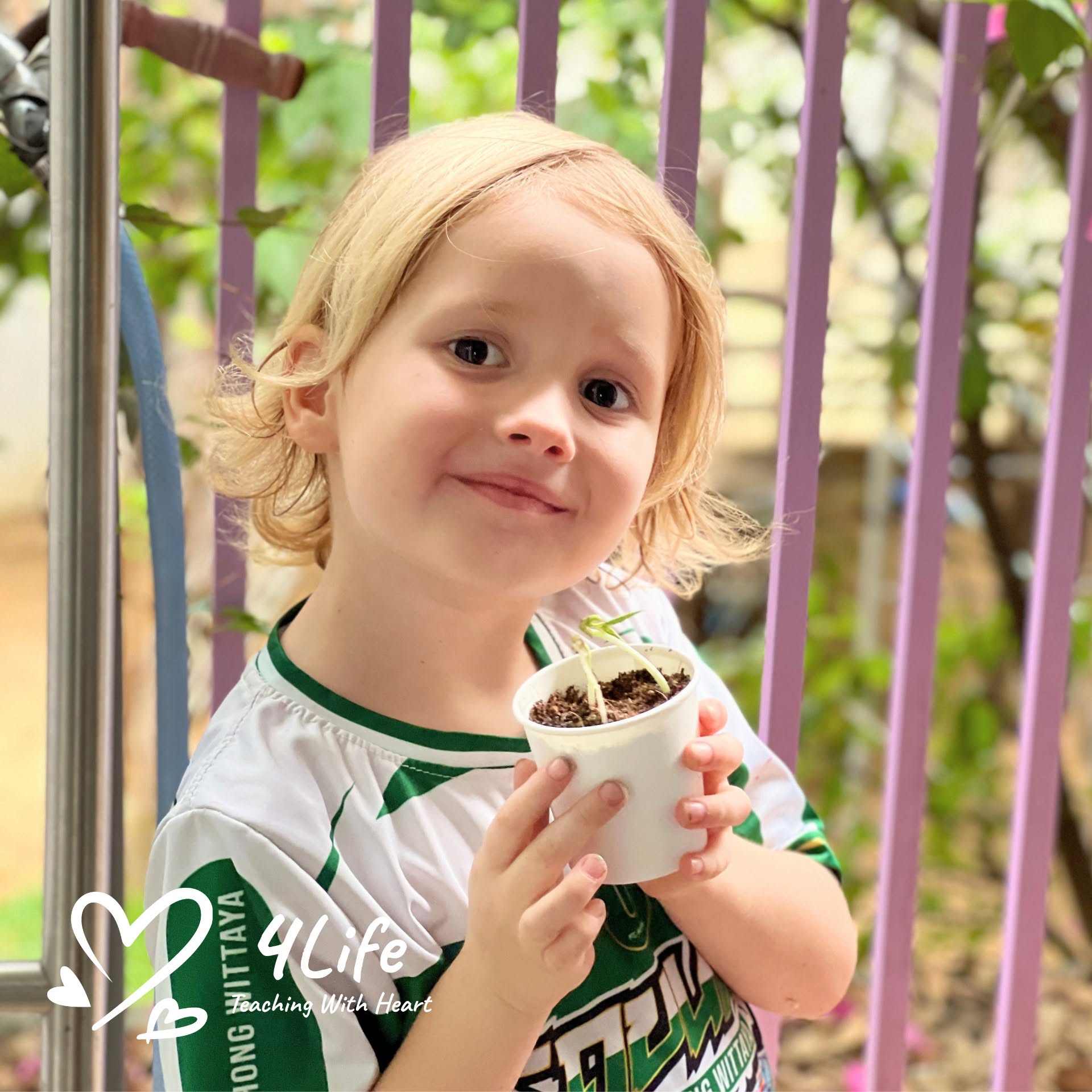
When children encounter a problem that is appropriate for their abilities, parents can ask open-ended questions or provide a few suggestions. For example, if a child does not know where to put an item, an adult can ask where they think the item should be placed. This approach helps children think and find the answer on their own. Each time children solve a problem by themselves, they gain more experience to handle similar situations in the future.
Be patient with children’s pace of development
Every child develops at a different pace. Some children quickly learn to perform a task on their own, while others need more time to become familiar with it. Therefore, parents should not compare their children’s self-control abilities with those of other children.
This process needs to be built step by step. A child may do something well on their own today but need support again tomorrow. This does not mean that the child is regressing. Children’s development always goes through different stages. When adults are patient and continue providing opportunities for practice, children will gradually develop more stable abilities.
Self-control is built from small things
Parents do not need to create complicated lessons to develop self-control in children. Everyday activities already provide many opportunities. Choosing clothes, getting books, putting away toys, preparing some personal belongings, completing a task, or fixing something after making a mistake are all valuable experiences.
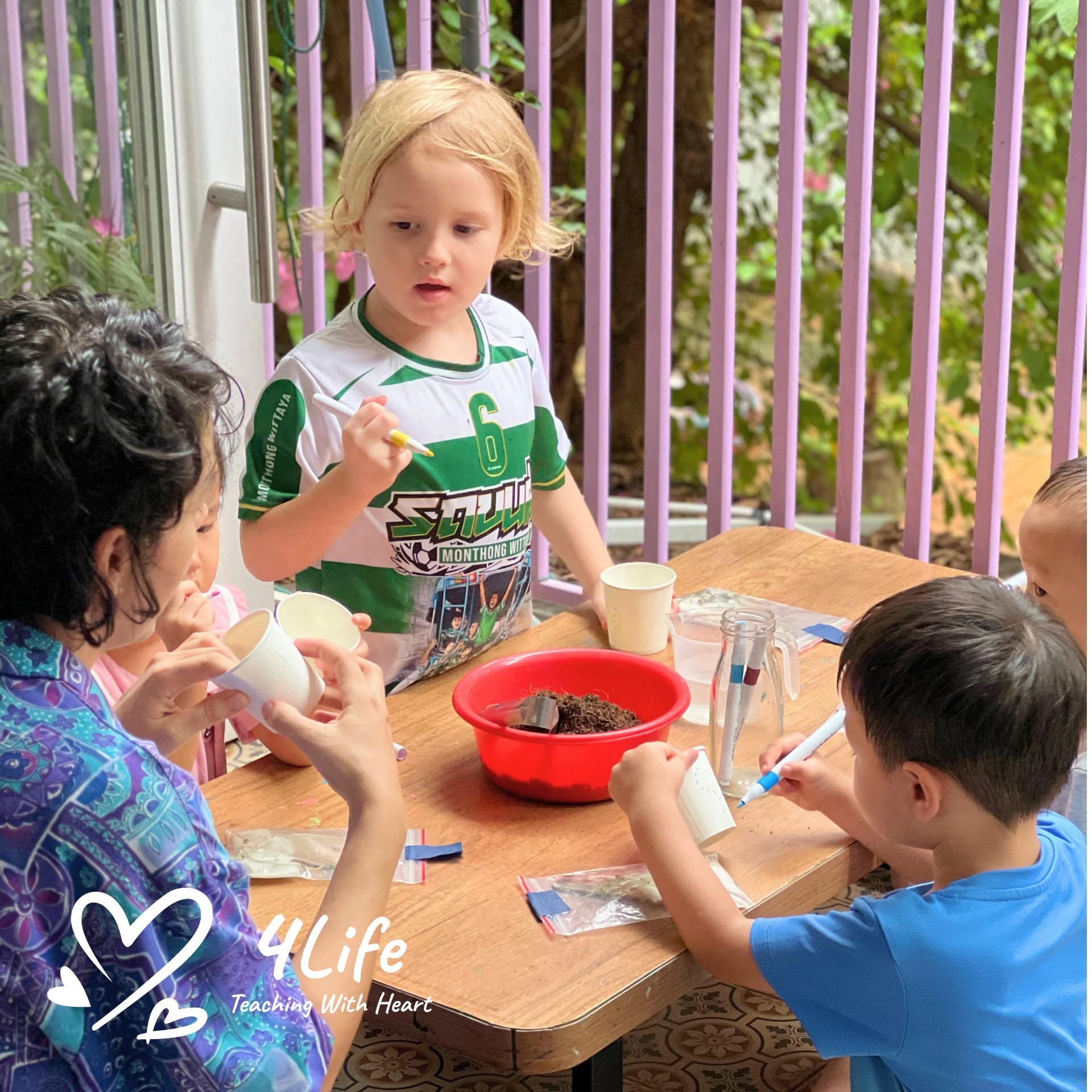
What matters is that parents know when to provide support and when to let children do things on their own. When children have enough ability, step back and let them try. When they encounter difficulties, provide just enough support. When children complete a task, acknowledge their efforts. Through experiences repeated every day, children will gradually realize that they are capable of taking control of many things in their lives.
How to develop self-control in children effectively does not lie in asking children to become independent immediately, but in creating suitable conditions for them to gradually take control of their own actions. When children are allowed to make choices, do things on their own, experience the results, and be respected within clear limits, they will gradually develop confidence, the ability to regulate themselves, and a sense of responsibility. Parents do not need to control everything but can become the people who prepare the environment, set limits, and provide support when children truly need it. How to develop self-control in children can begin with very small things in daily life, so that each experience becomes a step forward on the journey of growing up.