
Freedom in Montessori is often mentioned as an important factor that helps children develop initiative, concentration, and self-control. However, freedom in this approach does not mean that children can do whatever they want without limits. Children are allowed to choose activities, decide how to carry them out, and have time to repeat the things that interest them, but they still need to respect the environment, the work, and the rights of others. When freedom is placed within appropriate principles, children have the opportunity to develop discipline from within rather than simply following adults’ demands. Join 4life.edu.vn to learn more in this article and better understand the nature of freedom in Montessori and how parents can apply this spirit in daily life.
How is freedom in Montessori understood?
Freedom in Montessori begins by giving children the right to make choices within a suitably prepared environment. Children can choose the activity they want to do, choose how to carry it out within the given guidance, and take the time they need to complete the work. When children are allowed to make their own choices, they have the opportunity to listen to their own needs instead of always waiting for adults to decide for them. This is also a condition for children to develop concentration and the ability to take responsibility for their choices.
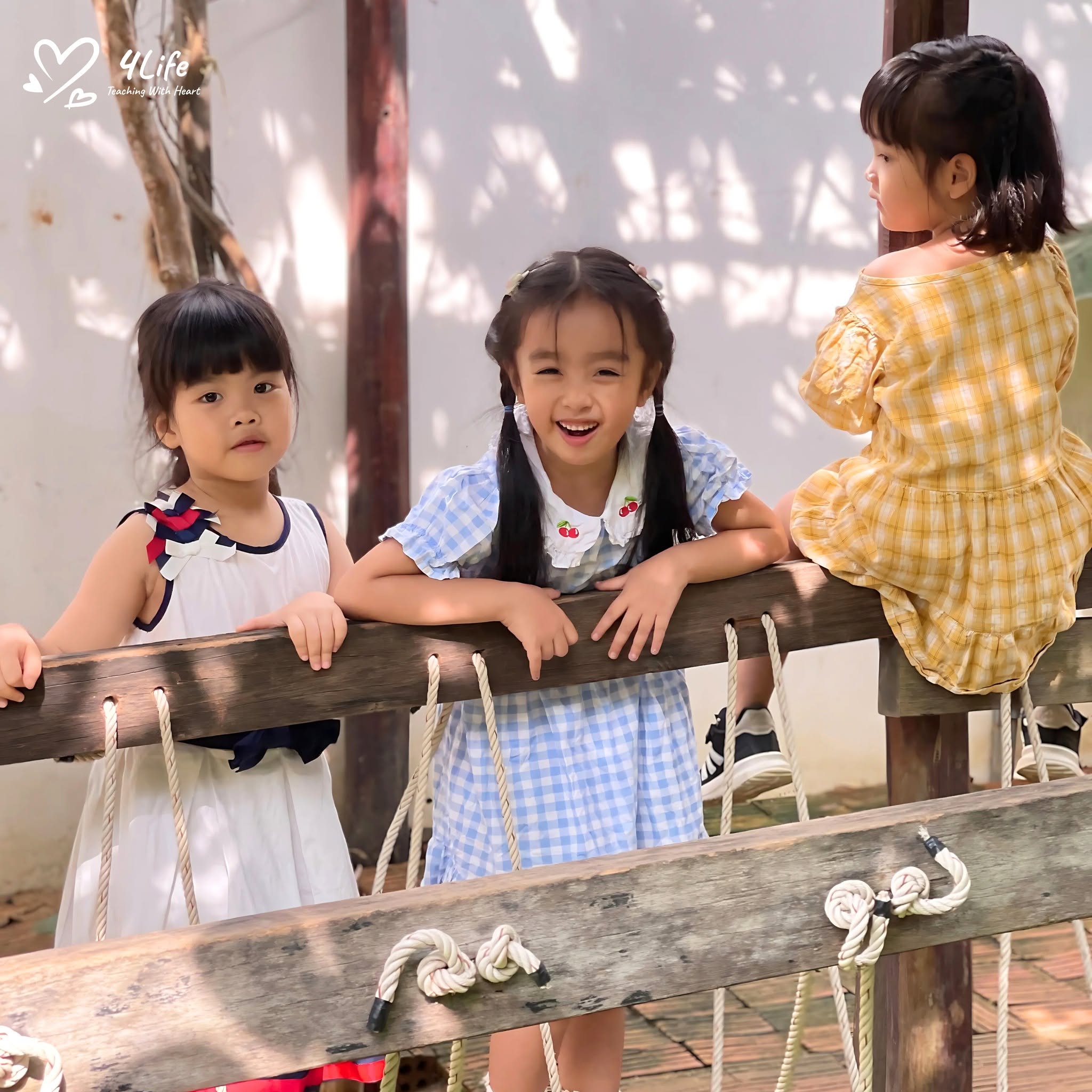
However, freedom does not mean that there are no principles. A Montessori environment always has clear limits to ensure that everyone can learn and live together appropriately. Children are free to choose but should not affect others, damage materials, or take other people’s belongings without permission. These limits help children understand that their right to freedom is always connected to responsibility and respect for the surrounding environment.
Why does freedom not mean spoiling children?
Spoiling often occurs when adults fulfill all of a child’s wishes without setting necessary limits. In this situation, children may become accustomed to having every need met immediately and have few opportunities to learn how to wait, choose, or regulate their behavior. In Montessori, adults do not remove limits simply to make children feel comfortable. Instead, appropriate limits help children understand what they can choose and which behaviors need to be adjusted.
A child who is free to choose an activity still needs to know how to use materials for their intended purpose, take care of the space, and respect others. If the child interrupts someone else’s work or uses behavior that causes harm, adults need to intervene and repeat the principle. The difference lies in how the limits are communicated. Instead of using punishment or excessive control, adults can clearly explain what is allowed, what is inappropriate, and guide the child back toward an appropriate choice.
Freedom helps children develop self-control
When given choices, children begin to have opportunities to make decisions based on their needs and interests. An activity that interests a child may be repeated many times. This process of repetition creates conditions for the child to concentrate for longer, perform the work more accurately, and gradually recognize the necessary rules during the activity. From the initial initiative, children gradually develop the ability to regulate their behavior.
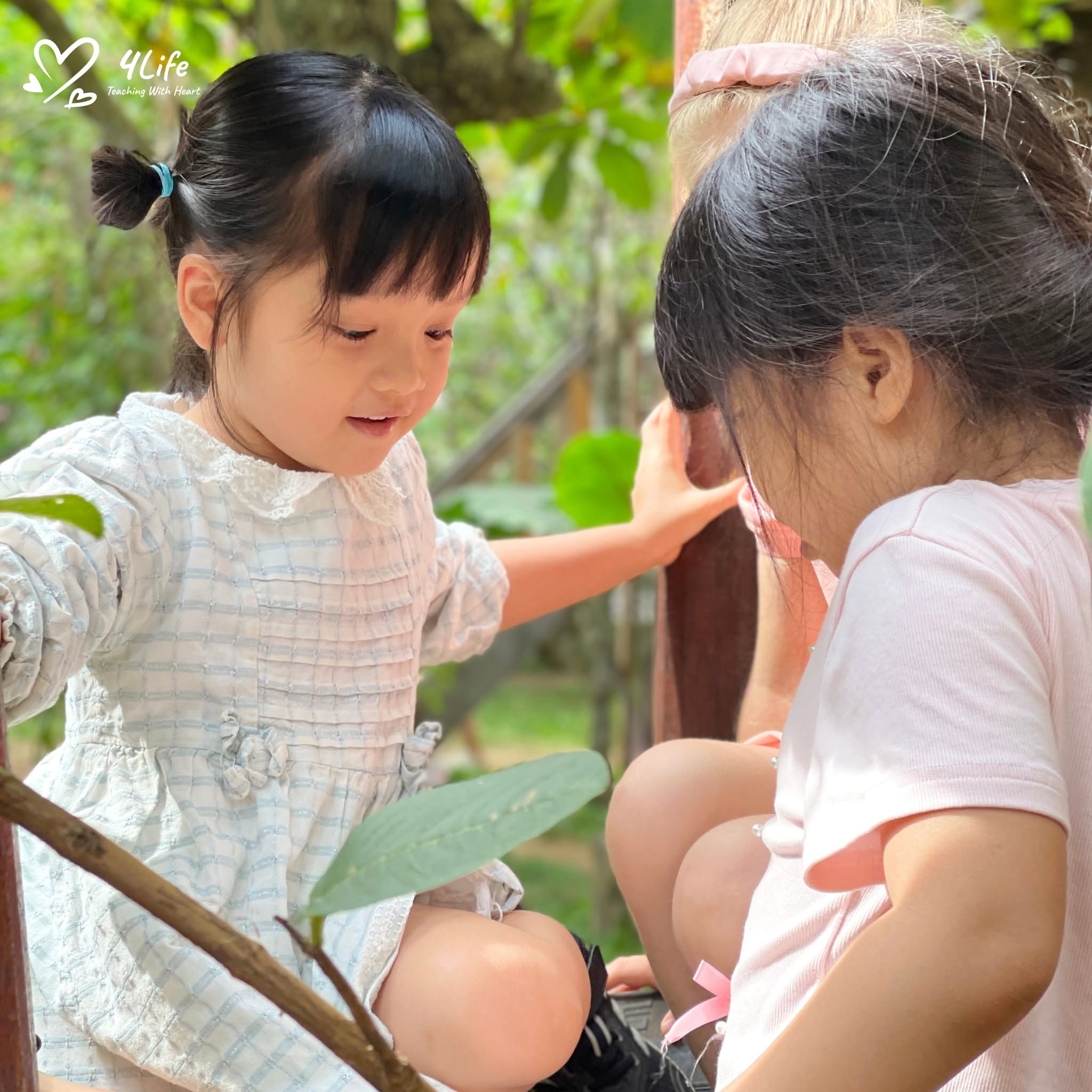
If adults always make decisions for children, children may become accustomed to waiting for instructions before taking action. When given the power to choose within appropriate limits, children have the opportunity to think for themselves and take responsibility for their decisions. For example, children can choose the activity they want to do, take the materials themselves, and put them back after finishing. These small tasks, repeated every day, create a foundation for self-control without adults having to constantly remind them.
The relationship between freedom and discipline
In the Montessori approach, freedom and discipline are not two opposing elements. Freedom creates the conditions for children to actively engage in activities, while the process of working helps children develop concentration and self-regulation. When children understand the work they are doing, they gradually recognize the principles needed to complete that work. Discipline can therefore develop through experience rather than only through external demands.
This is different from understanding discipline simply as requiring children to sit still, obey, or follow every instruction correctly. A child who only behaves appropriately when an adult is watching remains highly dependent on external control. In contrast, when children can regulate themselves even without being reminded, discipline gradually becomes an internal part of them. Appropriate freedom can therefore become a foundation for children to develop self-discipline.
Limits make freedom meaningful
An environment without clear limits can make it difficult for children to understand how to use freedom. When every behavior is allowed, children may have difficulty recognizing the boundary between personal desires and the rights of others. Montessori establishes basic principles to help children understand that they have the right to choose but should not negatively affect those around them.
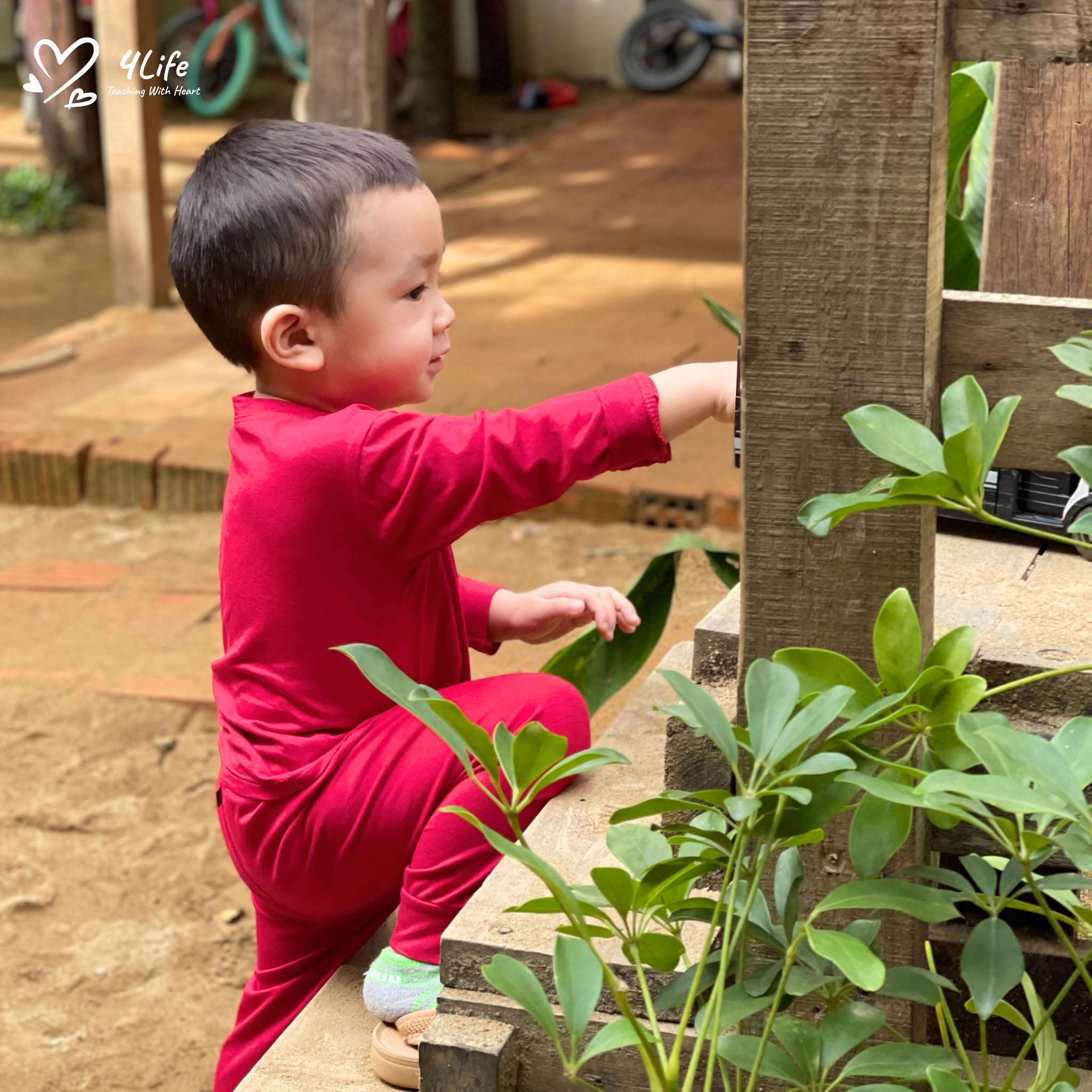
Limits can be expressed through very familiar aspects of daily life. Children can choose a toy but need to put it away after playing. Children can use materials but need to take care of them and return them to the correct place. Children can express their emotions but should not hit, hurt others, or damage objects. When these principles are consistently reinforced, children gradually understand that limits are not intended to restrict freedom but to ensure that everyone is respected.
What role do adults play in children’s freedom?
In a Montessori environment, adults do not completely withdraw from the child’s development. On the contrary, the role of adults is very important in preparing the environment, observing, and providing appropriate guidance. Adults need to know when to offer support and when to step back so that children can do things on their own. Intervening too early can cause children to lose the opportunity to try, while failing to provide support when children truly need it can create unnecessary difficulties.
Observation is an important part of helping adults understand where children are in their development. Sometimes children need to be guided in a new skill, while at other times they simply need more time to complete a task on their own. When adults recognize that children can do something independently, they should create appropriate space for them to continue. This approach helps children feel trusted while still understanding that freedom always comes with responsibility.
Parents can create freedom for children in daily life
Parents can start with small choices that are appropriate for their children’s age. Instead of making every decision, adults can let children choose between two outfits, choose an activity they want to do, or decide the order of some familiar tasks. Choices that are appropriate for their abilities help children practice decision-making without putting them under too much pressure.
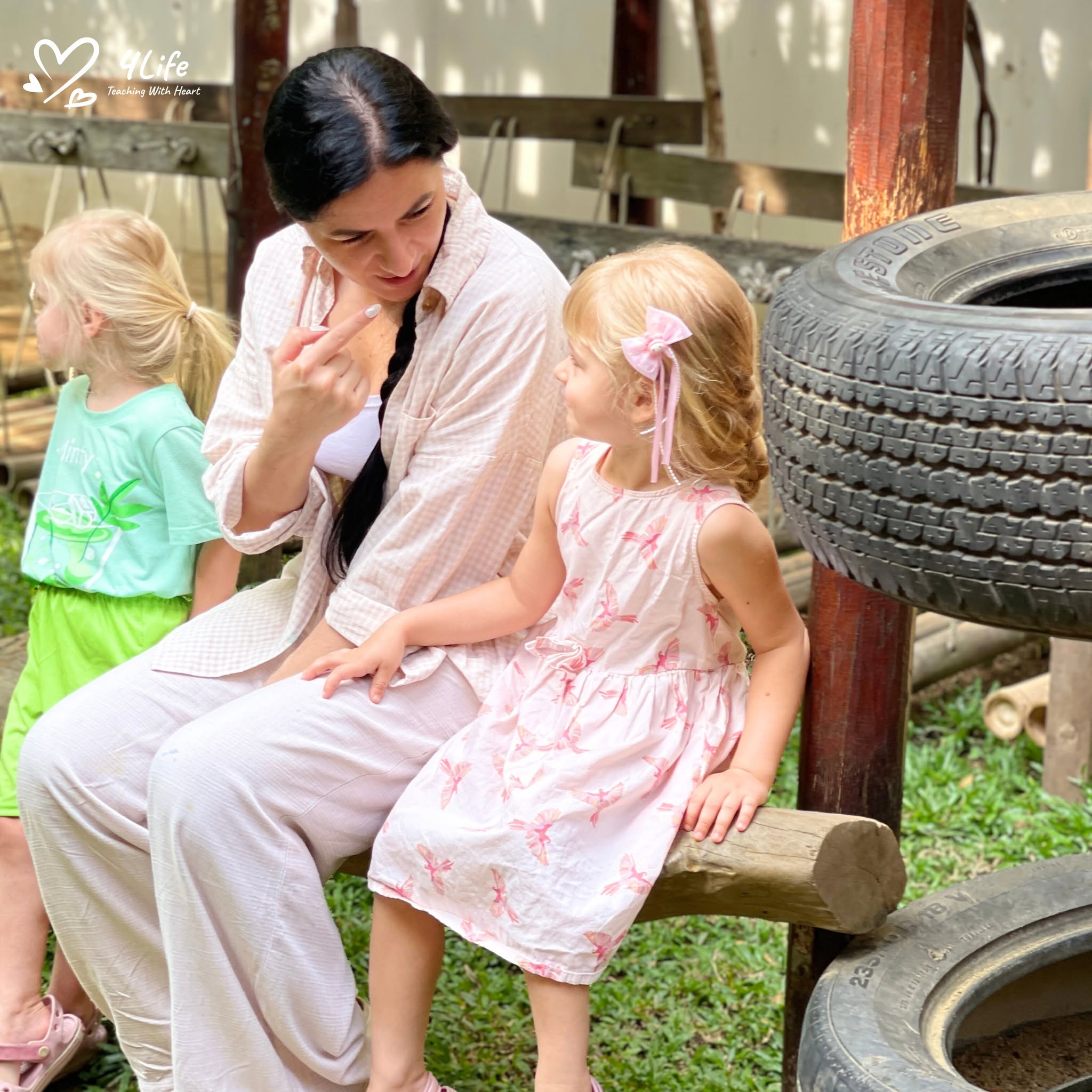
The living space can also be arranged so that children can easily carry out certain tasks on their own. Personal belongings can be placed within reach, each item can have a fixed place, and frequently used items can be arranged so they are easy to access. When the environment supports initiative, children can take, use, and put away their belongings without waiting for adults. In this way, freedom becomes a natural part of daily life rather than appearing only during learning activities.
Freedom should not be confused with leaving children on their own
Some people may think that if adults respect children’s freedom, they should let children solve everything on their own. This understanding is incomplete. Children still need adults to create a safe environment, teach skills they do not yet know, and set limits when their behavior affects others. Freedom does not eliminate the role of adults but changes how adults participate in the child’s development.
Leaving children on their own and giving them the power to choose are two different things. When giving children the power to choose, adults still observe and take responsibility for the environment, limits, and the child’s safety. Children are allowed to make their own decisions within an appropriate scope, try things, and make mistakes in safe situations. When necessary, adults provide brief guidance so that children understand how to carry out a task. In this way, children have both the space to develop initiative and the necessary support.
Freedom needs to be built according to children’s abilities
Not every choice is suitable for every age. A young child can begin with very simple decisions, while older children can participate in more tasks and make more complex choices. What is important is that the level of freedom should correspond to the child’s cognitive, motor, and self-control abilities. When choices are appropriate for their abilities, children are more likely to succeed and build confidence.
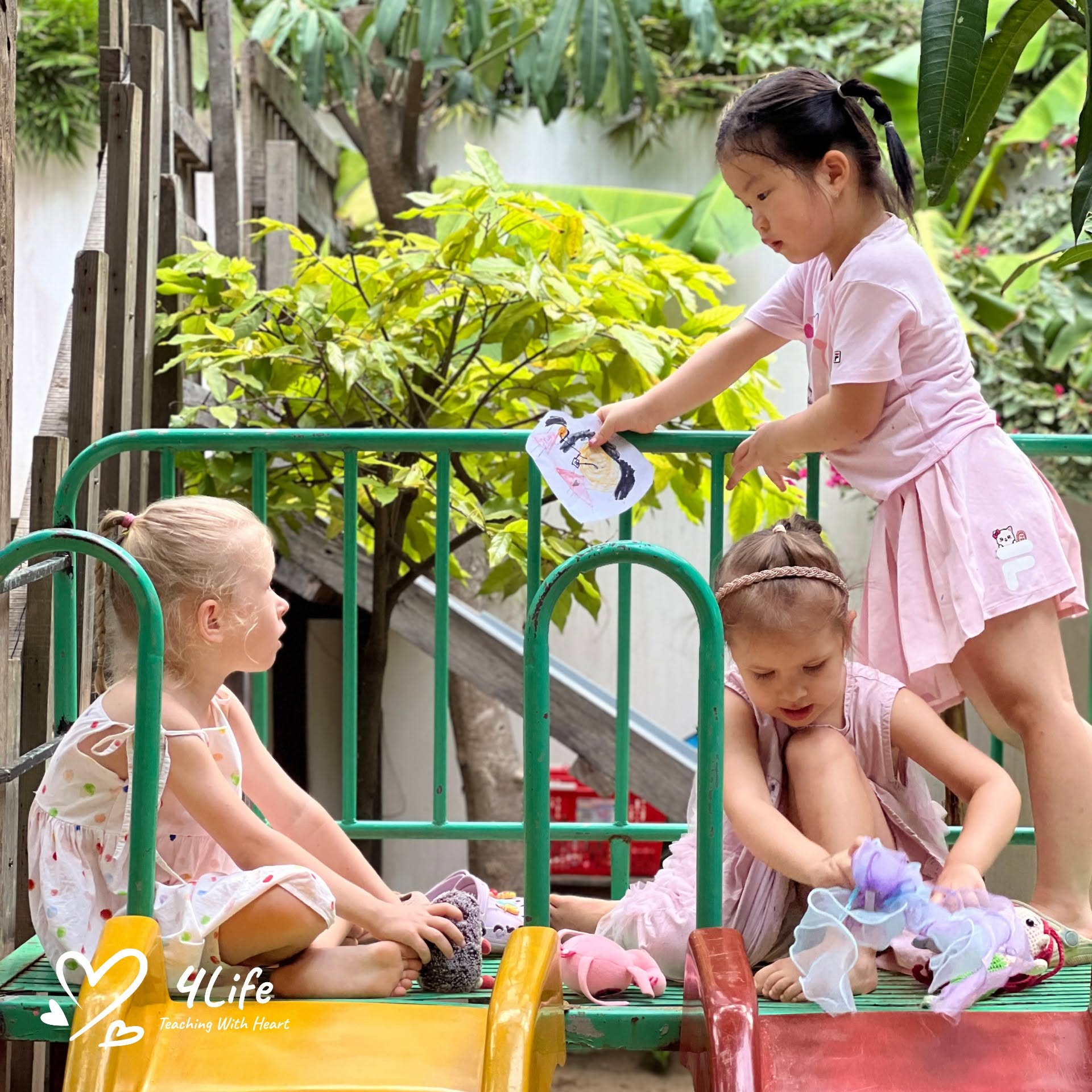
Parents also do not need to rush to give children too much decision-making power at once. Self-control develops through regular practice. Each appropriate choice is an opportunity for children to learn how to consider, act, and recognize the results. As their abilities develop, the range of choices can gradually be expanded. This approach respects children’s pace of development and helps freedom be built on a practical foundation.
From freedom to inner maturity
One of the important values of freedom in Montessori is helping children gradually move from external control to the ability to control themselves. At first, children may need adults to remind them how to use materials, maintain order, or respect shared spaces. Through repeated experiences, children can understand the reasons behind these principles and begin to regulate their behavior on their own.
When children can choose their work, concentrate on carrying it out, complete it, and restore the environment without adults constantly asking them to do so, this is an expression of inner maturity. Children do not do the right thing simply because they are afraid of punishment or want praise, but gradually understand what is appropriate for themselves and others. This is also the deeper goal of giving children freedom: helping them develop the ability to make their own decisions, self-control, and responsibility for their actions.
Freedom in Montessori is not about allowing children to do everything they want without limits. It is about creating a suitable space where children can choose, experience, repeat, and gradually develop self-control. When freedom comes with clear principles, respect, and appropriate guidance, children have the opportunity to develop discipline from within rather than depending only on adult control. Parents can therefore start with small choices, create a suitable environment, and patiently observe their children’s development. Through simple experiences each day, children gradually learn how to use their freedom and take responsibility for their own choices.