
The educational philosophy of respecting children’s natural developmental pace is one of the important foundations when learning about Montessori education. Instead of requiring children to act according to a fixed model, adults create a suitable environment where children can choose, experience, repeat, and gradually develop the ability to self-regulate. Through freedom within limits, children learn to focus on their work, understand principles, and actively control their own behavior. This approach also helps parents view their children’s development with greater patience, rather than constantly comparing or pressuring them. Join 4life.edu.vn to learn more in this article and better understand how Montessori respects each child’s individual pace of development.
What does respecting children’s natural developmental pace mean?
Each child has their own pace of development in terms of physical, cognitive, emotional, and self-care abilities. Some children quickly become familiar with a new skill, while others need more time to observe, experiment, and repeat. The educational philosophy of respecting children’s natural developmental pace begins with acknowledging this difference. Instead of setting the same timeline for every child, adults observe the development process and create conditions for children to progress according to their own abilities.

In Montessori, freedom plays an important role, but it does not mean that children can do whatever they want. Children are allowed to choose activities, timing, and ways of carrying them out within appropriate limits in the environment. When children choose and carry out activities by themselves, they have the opportunity to recognize their own interests, needs, and abilities. Adults take on the role of observing, guiding when necessary, and maintaining the principles needed for everyone to learn and live together with respect.
Why does Montessori value children’s freedom?
Freedom gives children the opportunity to actively participate in their own development. When they are allowed to choose an activity that suits their inner needs, they often have the motivation to engage for longer and are willing to repeat it many times. This seemingly simple process of repetition creates conditions for children to improve their concentration, understand the work clearly, and gradually control their actions. Therefore, freedom in Montessori is not only about giving children the power to choose but also creates a foundation for developing self-discipline.
If adults constantly make decisions for children, children may become accustomed to waiting for instructions before taking action. In contrast, when children are allowed to make choices within an environment with clear limits, they have the opportunity to practice decision-making skills and take responsibility for their choices. Parents can start with familiar things such as letting children choose an activity, take their own belongings, or decide the order in which to carry out certain tasks. Small choices repeated every day contribute to building independence naturally.
From freedom to self-control
During activities, children gradually realize that freedom always comes with certain principles. When focusing on a task, children learn to use materials for their intended purposes, complete the activity, and put the environment back in order after use. These rules do not necessarily have to be remembered through constant reminders. Through practical experiences, children can gradually understand why an action should be carried out in an appropriate way.
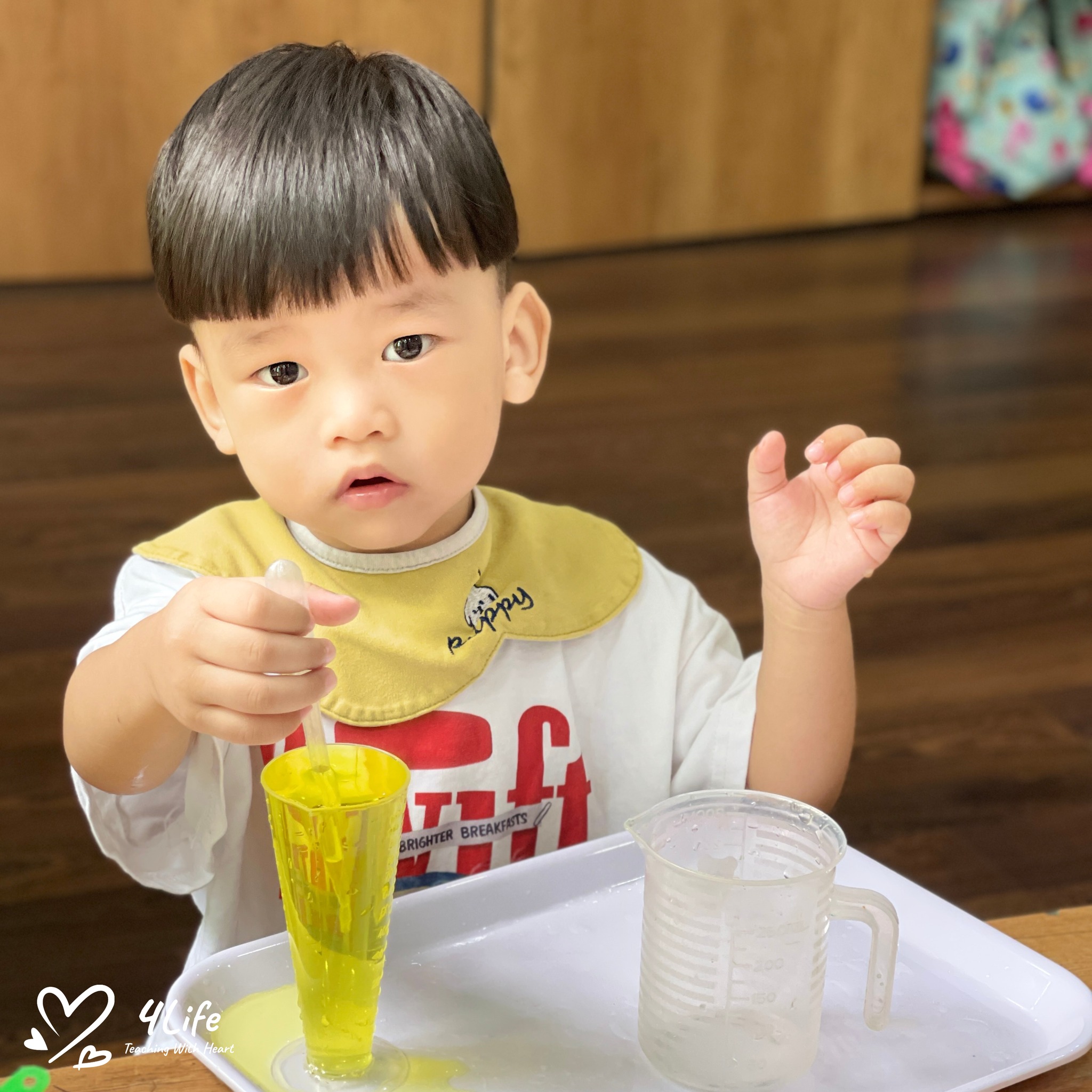
This is also an important difference between external control and self-control. If children stop a behavior only because they are afraid of being reminded or punished, that control may depend on the presence of adults. When children understand the principles and regulate themselves even when no one is watching, discipline gradually becomes an internal ability. Therefore, respecting children’s natural developmental pace does not mean leaving children to themselves, but rather creating conditions for self-control to develop step by step.
Discipline in Montessori begins with work
In a Montessori environment, discipline is not primarily built by requiring children to sit still, obey, or follow commands. An important foundation of discipline comes from the work process itself. When choosing an activity and focusing on carrying it out, children have the opportunity to practice maintaining attention, controlling movement, and completing a task in sequence. Each time they carry out an activity is another opportunity to practice perseverance and self-regulation.
When children are free to work in a suitable environment, concentration can emerge naturally. The more focused children become, the more they understand the work and recognize the rules necessary to carry it out. From there, following principles gradually becomes a conscious choice rather than a reaction to adults’ demands. This is why the environment, activities, and the way adults provide guidance have a significant influence on the development of children’s internal discipline.
Respect does not mean allowing every behavior
A common misconception is that if Montessori respects freedom, children can do anything they want. In reality, freedom always exists within clear limits. Children have the right to choose their activities but should not affect others. Children are allowed to use materials but need to know how to take care of them and return them to their proper places. Behaviors that cause harm, damage, or interfere with other people’s belongings still need to be stopped.
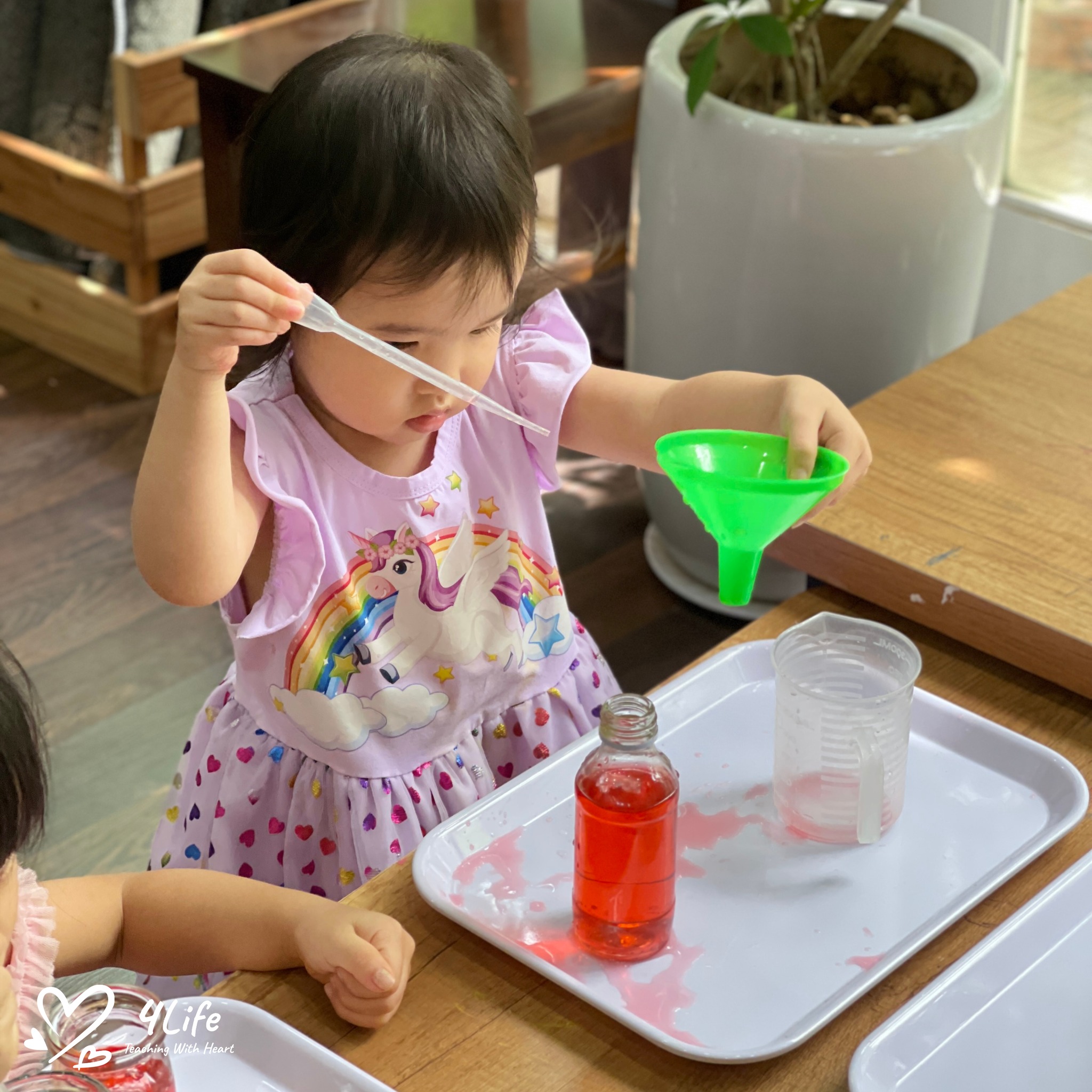
The important point lies in how adults establish limits. Instead of using punishment to make children afraid and comply, adults can clearly explain the principles, remind children consistently, and guide them toward appropriate behavior. When limits are maintained consistently, children have more time to understand the relationship between actions and results. Respect therefore does not eliminate discipline but helps discipline develop in a more positive and conscious direction.
What can parents do to respect their children’s developmental pace?
The first thing parents can do is observe their children before rushing to intervene. An action that adults consider slow or clumsy may sometimes be part of a process in which children are learning by themselves. When children encounter difficulties, instead of immediately doing the task for them, adults can give them more time to try again or suggest a small step. This time allows children to experience the feeling of solving a problem on their own and recognize their own abilities.
In addition, parents can create choices that are appropriate for their children’s age and abilities. A shelf at the right height, easily accessible materials, or a designated area for activities can help children become more independent in daily life. Adults also need to maintain consistent principles so that children understand the limits of freedom. When the environment is prepared appropriately and adults’ responses are consistent, children have more conditions to develop without being under constant pressure from external expectations.
Do not pressure children to develop according to a fixed model
Comparison often makes adults feel worried when their children have not yet acquired a skill that other children have already developed. However, every child has their own developmental process. Constantly pressuring children to do things faster, perform better, or achieve the same results as others may cause them to focus on meeting external demands instead of listening to their own needs and abilities.
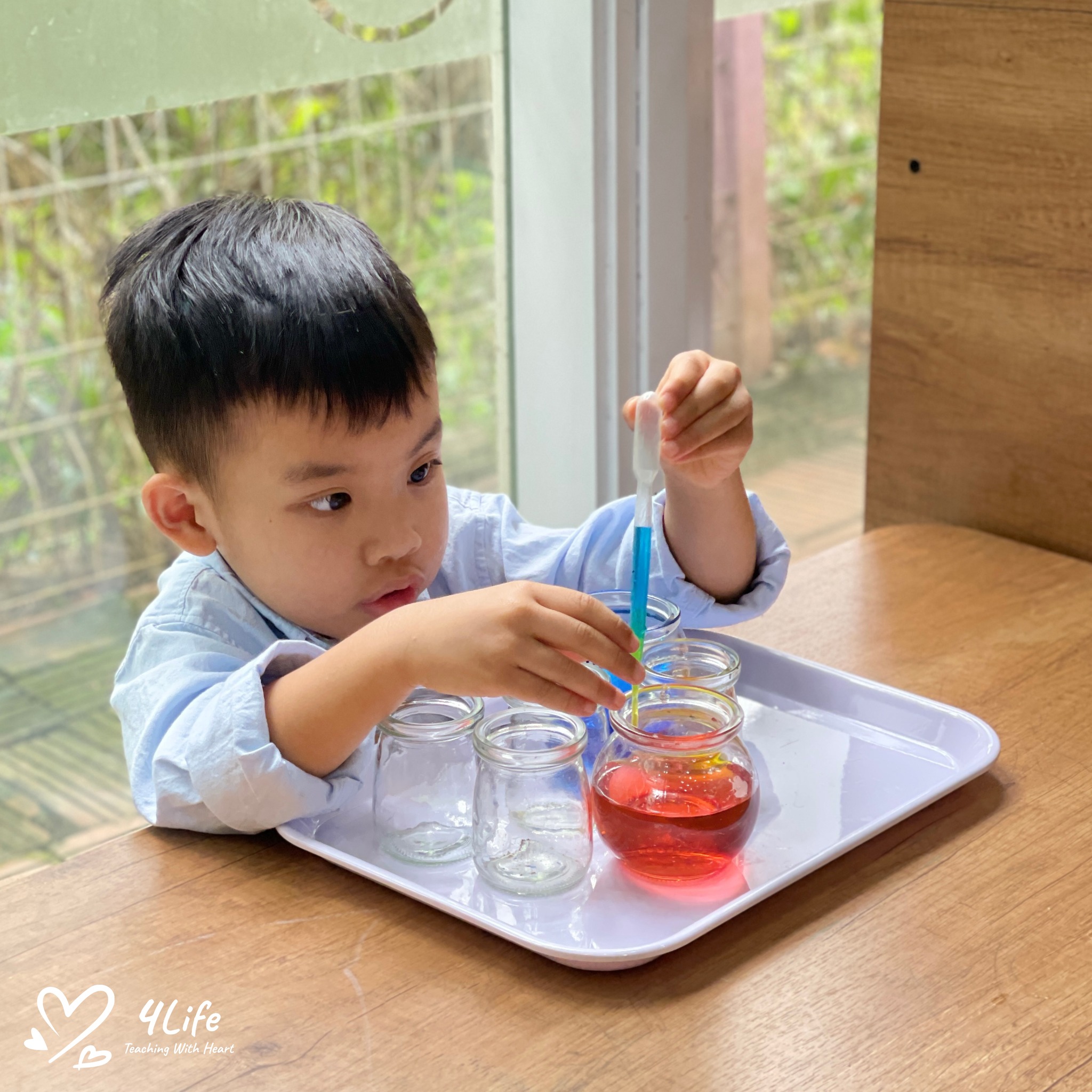
Respecting children’s natural developmental pace does not mean that parents should not have expectations. What is important is that expectations should be appropriate for children’s current abilities and adjusted as children change. A skill may require many attempts before it becomes proficient. When adults are patient with this process, children have more opportunities to develop confidence, concentration, and initiative. Progress is therefore recognized through the process of children doing things on their own, rather than being based only on the final result.
A suitable environment helps children develop naturally
The environment has a direct influence on children’s independence and self-regulation. A space that is clearly organized, materials that are within reach, and a specific place for each item help children easily choose and complete activities without constantly waiting for adult support. When children know where materials are and what to do after using them, they have the opportunity to develop orderly habits through practical experience.
The Montessori environment also creates natural limits for children to understand how to use freedom. Children can choose activities but need to respect other people’s space and work. These limits help children recognize that personal choices are always connected to responsibility. When practiced regularly, children gradually learn to regulate their actions without adults needing to intervene in every situation. This is an important foundation for self-control to develop over time.
Respecting children means respecting the entire process of growing up
When viewing children as individuals who are developing, adults will have a different approach to their unfinished behaviors. Making a mistake does not necessarily need to be considered a failure. It can be part of the learning process. Children need to try, make mistakes, observe the results, and have opportunities to try again within safe limits. Through each experience, children gradually understand themselves and the environment around them.
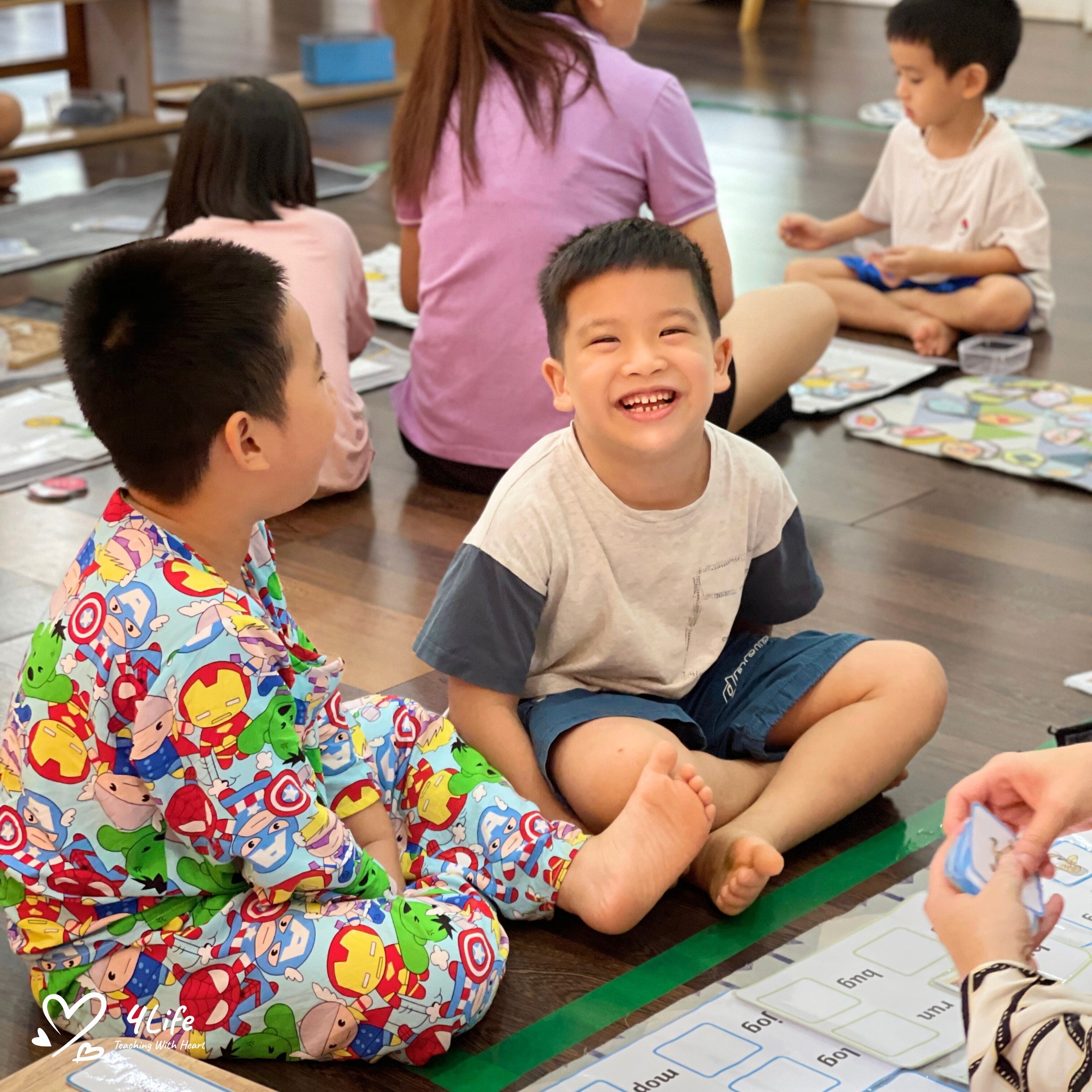
Respect is also reflected in adults not controlling every action of their children. When children are capable of doing something on their own, adults can step back and allow them to continue. When children cannot yet do something, support should be sufficient so that they still have the opportunity to participate. This way of responding helps children feel that they are trusted while still being responsible for their own actions. Over time, initiative and self-regulation can become qualities that develop from within.
How can we balance freedom and limits?
Freedom and limits are not two opposing things in Montessori education. Freedom creates opportunities for children to choose and explore, while limits help children understand how to use that freedom appropriately. Without limits, children may find it difficult to recognize the boundary between their personal needs and the rights of others. Conversely, if every action is controlled, children have fewer opportunities to practice decision-making and self-regulation.
Parents can start with a few simple, clear principles that are appropriate for family life. For example, children can choose a toy but need to put it away after playing; they can choose an activity but should not affect others; they can express their emotions but should not use behaviors that cause harm. When these principles are maintained consistently, children gradually understand that freedom always comes with responsibility. From there, discipline can shift from an adult’s demand to children’s own ability to self-regulate.
Values children can develop from this approach to education
When their developmental pace is respected and they have opportunities to experience things on their own, children can gradually develop many important abilities. These include the ability to concentrate, make choices, solve problems, control their actions, and take responsibility for what they do. These abilities do not appear after just a few instances of guidance but are developed through the process of repeating appropriate experiences in daily life.

More importantly, children gradually understand that discipline is not something that exists only when adults are present. Children can know for themselves when to stop, when to wait, how to use objects, and how to respect others. This is the transition from external control to internal self-control. At that point, education does not stop at helping children carry out a specific requirement correctly but also creates a foundation for children to gradually become people who are capable of making their own decisions and taking responsibility for their choices.
The educational philosophy of respecting children’s natural developmental pace focuses on creating an environment where children are free to make choices within appropriate limits, experience, repeat, and self-regulate. Instead of controlling every action or pressuring children to achieve results according to a fixed model, adults observe, guide, and maintain the necessary principles. Through this process, children have the opportunity to develop concentration, self-discipline, self-control, and an awareness of respecting others. Respecting children’s developmental pace is also a way for parents to view growing up as a process that requires time, experience, and patience.