
The role of freedom in children’s development has always been a topic that attracts great interest from parents seeking an educational approach that helps their children develop comprehensively. Freedom does not mean allowing children to do whatever they want. Instead, it means giving them opportunities to make choices, gain experiences, and learn within appropriate boundaries. When children grow up in an environment where they are respected, they gradually develop independence, learn to take responsibility, improve their concentration, and build self-discipline from within. This is also one of the fundamental principles of Montessori education. Join 4Life Education in this article to explore the role of freedom in children’s development and discover how parents can support their children every day.
Freedom is the condition for children’s natural development
From an early age, children have a natural desire to explore the world around them through all their senses. They enjoy observing, touching objects, trying new things, and repeating activities they love. These are not random actions but rather the natural way children learn and develop.
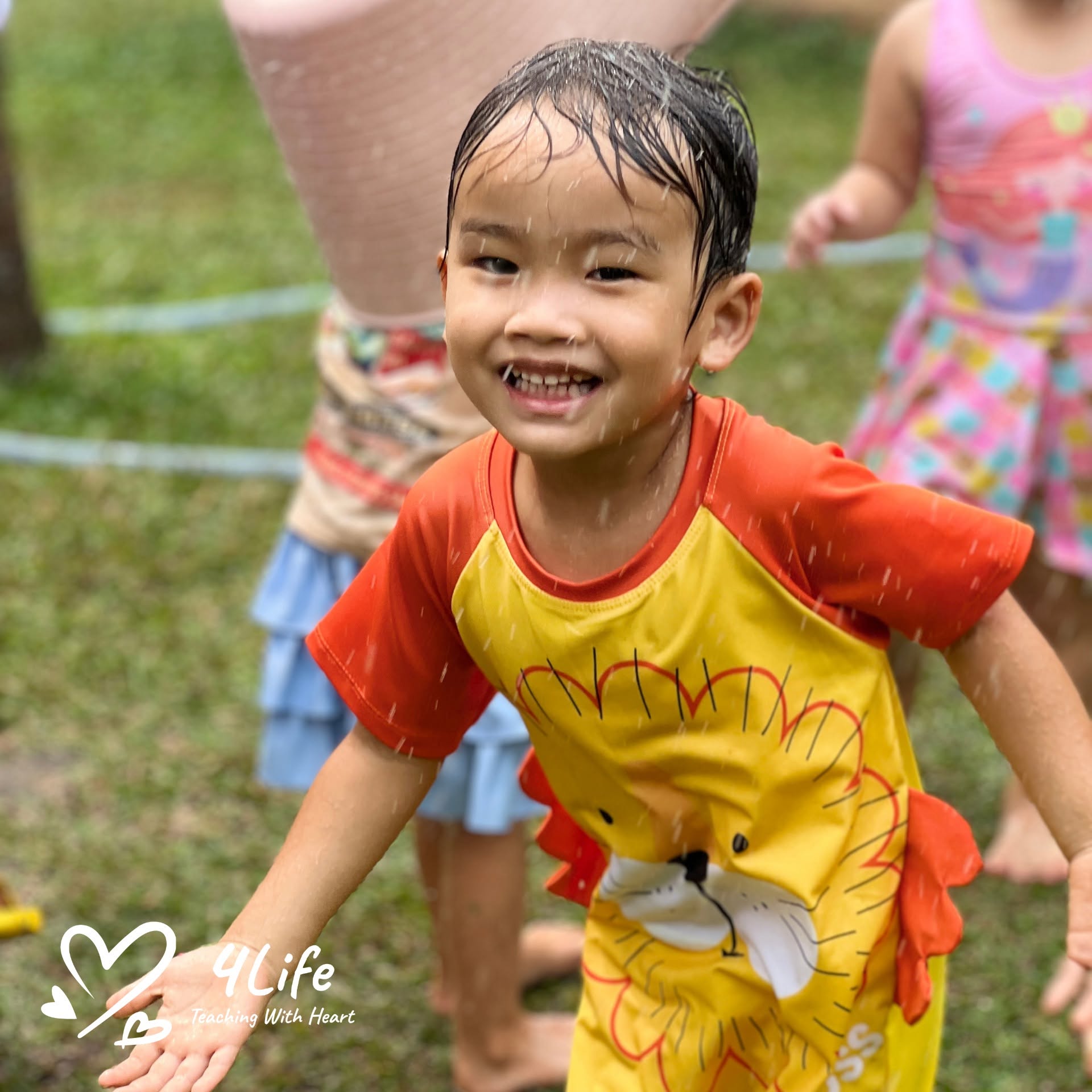
When adults provide opportunities for children to explore in a safe environment, children become more curious, actively seek knowledge, and gradually develop independent learning abilities. On the other hand, if every activity is overly controlled or restricted, children may become hesitant, dependent, and gradually lose their initiative in the learning process.
Freedom helps children develop the ability to make choices
One of the greatest values of freedom is that it helps children learn how to make choices. Instead of always having decisions made for them, children have the opportunity to consider different options that are appropriate for their age and abilities. Every small decision contributes to developing their thinking skills and sense of responsibility.
When children are allowed to choose activities they enjoy, they usually participate with greater enthusiasm. This helps them maintain interest over a longer period and take the initiative to complete their tasks. Over time, children understand that every choice comes with corresponding responsibilities and consequences.
Concentration is nurtured through freedom
A child can only maintain long-term concentration when they are genuinely interested in what they are doing. If they are constantly interrupted or required to do activities that do not match their developmental needs, it becomes very difficult for them to stay focused.
On the contrary, when children are free to choose and are not disturbed while working, they gradually develop the ability to concentrate. Concentration not only helps children learn more effectively but also lays the foundation for perseverance, problem-solving skills, and logical thinking in the future.
The role of freedom in children’s development is closely linked to self-discipline
Many people believe that children need strict management in order to develop discipline. However, reality shows that forcing children to obey only creates short-term compliance. Once supervision is removed, children often return to their previous behaviors because they have not understood the true purpose of what they were asked to do.
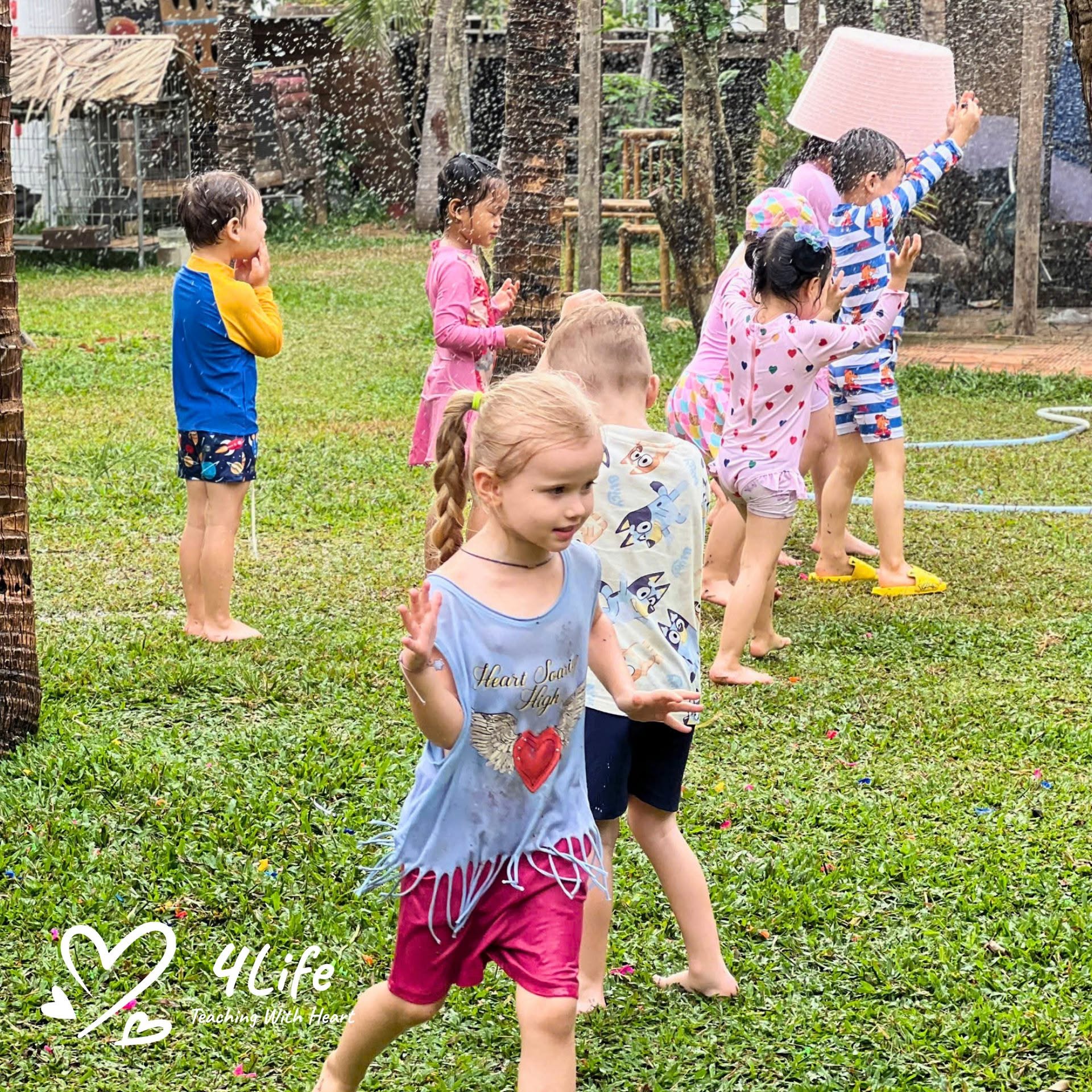
In contrast, when children are given opportunities to experience and solve problems on their own, they gradually understand the natural rules of life and learn to regulate their own behavior. This process is what builds genuine self-discipline from within. It is also clear evidence of the role of freedom in children’s development in a sustainable way.
Freedom must always come with boundaries
Giving children freedom does not mean ignoring all rules. Children still need clear boundaries to understand which behaviors are appropriate and which are not. These boundaries help children feel secure and learn how to respect others.
Parents can allow children to choose their clothes, games, or activities while still maintaining important rules, such as not hurting others, taking care of shared belongings, and completing their own responsibilities. When boundaries are established calmly and consistently, children are much more likely to cooperate.
A suitable environment helps children reach their potential
The environment has a significant influence on children’s development. A clean, organized, and child-friendly space encourages children to participate actively in daily activities.
When materials are arranged where children can independently take them out and put them away, they have more opportunities to develop independence. At the same time, an orderly environment helps children concentrate more easily and develop organized working habits. These seemingly small details play an important role in children’s overall growth.
Respecting children allows freedom to show its true value
Freedom is truly meaningful only when it is accompanied by respect. Respect does not mean giving children everything they want. It means listening to them, acknowledging their feelings, and providing opportunities for them to do tasks that match their abilities.
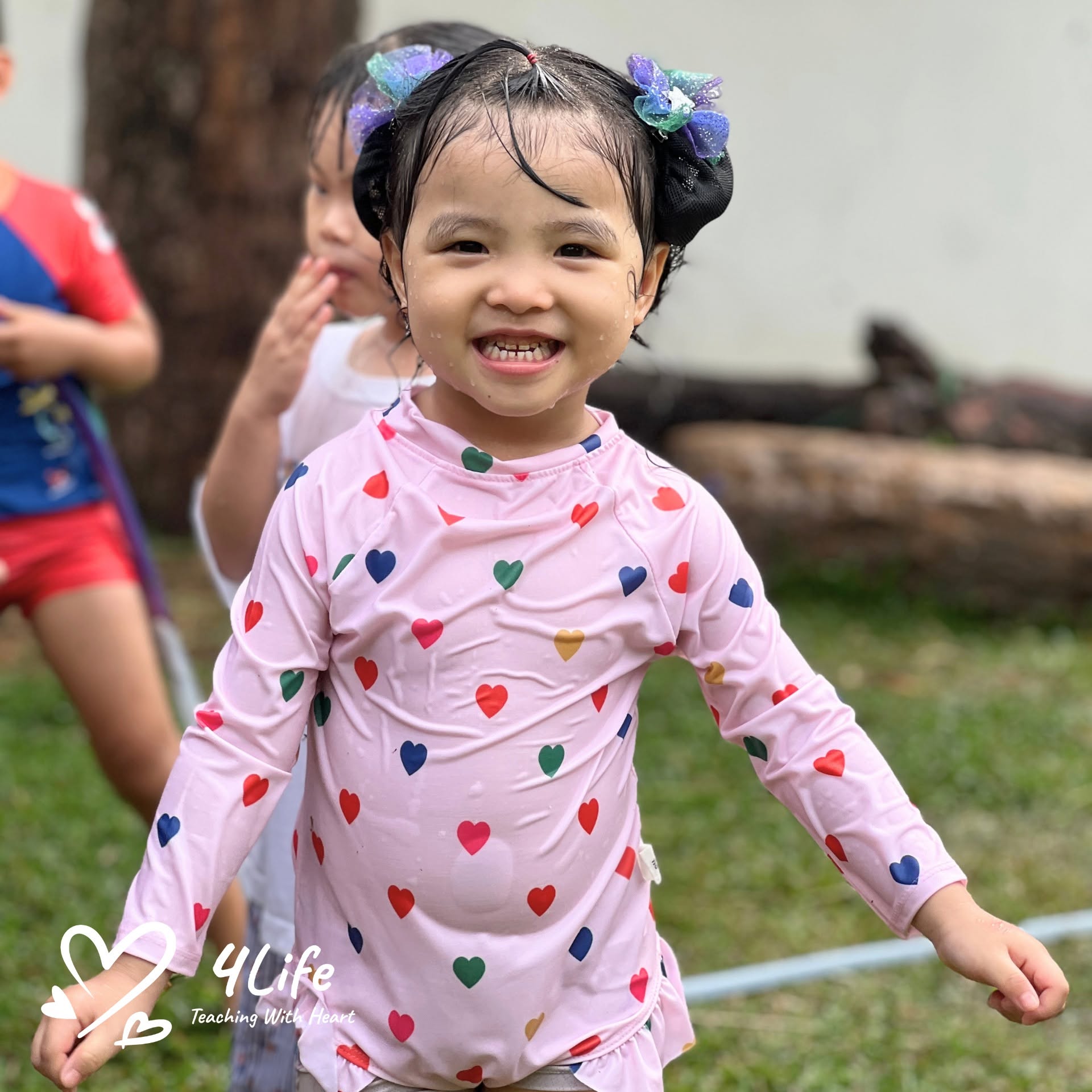
When children are respected, they feel valued and trusted. This encourages them to challenge themselves, become less afraid of making mistakes, and willingly learn from real-life experiences. It also forms the foundation for healthy self-esteem and self-confidence.
Learning through experience helps children grow
There are no lessons more meaningful than children’s own experiences. Whether children succeed or fail while doing something themselves, they always learn something new. These experiences help them better understand themselves and the world around them.
Instead of rushing to correct mistakes or doing things for children, parents should allow them the opportunity to try again. When children overcome difficulties through their own efforts, they develop perseverance and adaptability. These are essential skills not only for learning but also for life in the future.
Adults should accompany rather than control
The role of parents is not to make every decision for their children but to observe, guide, and provide support when necessary. When children face challenges, parents should ask open-ended questions that encourage them to think instead of immediately providing the answers.

The right kind of support helps children feel trusted and gives them greater motivation to explore. At the same time, parents gain a better understanding of their children’s needs, interests, and developmental pace, allowing them to provide appropriate support at every stage.
Freedom helps children develop a well-rounded character
The goal of education is not only to help children acquire knowledge but also to shape their character. A child who can make choices, take responsibility, respect others, and have confidence in their own abilities will have a strong foundation for life.
Therefore, the role of freedom in children’s development goes beyond simply making learning more enjoyable. It also helps nurture independence, self-esteem, cooperation, and a strong sense of responsibility. These are lasting values that parents can give their children from the earliest years of life.
The role of freedom in children’s development is not about allowing children to do whatever they want. It is about giving them opportunities to make choices, gain experiences, and grow in an environment that has clear boundaries, respect, and parental support. When children are given freedom in the right way, they gradually develop independence, self-discipline, concentration, and the ability to take responsibility for their own actions. Understanding the true role of freedom in children’s development helps parents create a positive educational environment where children can develop naturally and confidently throughout their journey of growth.