
Understand a child’s psychological state is one of the most important factors in parenting. Many parents assume that young children do not have complex thoughts, but in reality, a child’s inner world is rich and highly sensitive. Every action, emotion, or reaction reflects a specific psychological state and developmental need.
When adults fail to recognize this, children are often labeled as stubborn, difficult, or disobedient. However, if parents take the time to observe and understand, they will realize that children are trying to communicate and explore the world in their own way. So what can parents do to better understand their child’s psychological state? Let’s explore this together with 4Life Education in the article below.
Why Is Understanding a Child’s Psychological State Important?
Understanding a child’s psychological state is the foundation for building a positive parent-child relationship. When parents understand their child’s feelings and thoughts, they can respond more appropriately to their behavior.
Young children are not yet able to clearly express their thoughts through language like adults. Therefore, most of their emotions and needs are expressed through actions. Crying, silence, or repeatedly doing the same thing can all be signs of a particular psychological state.
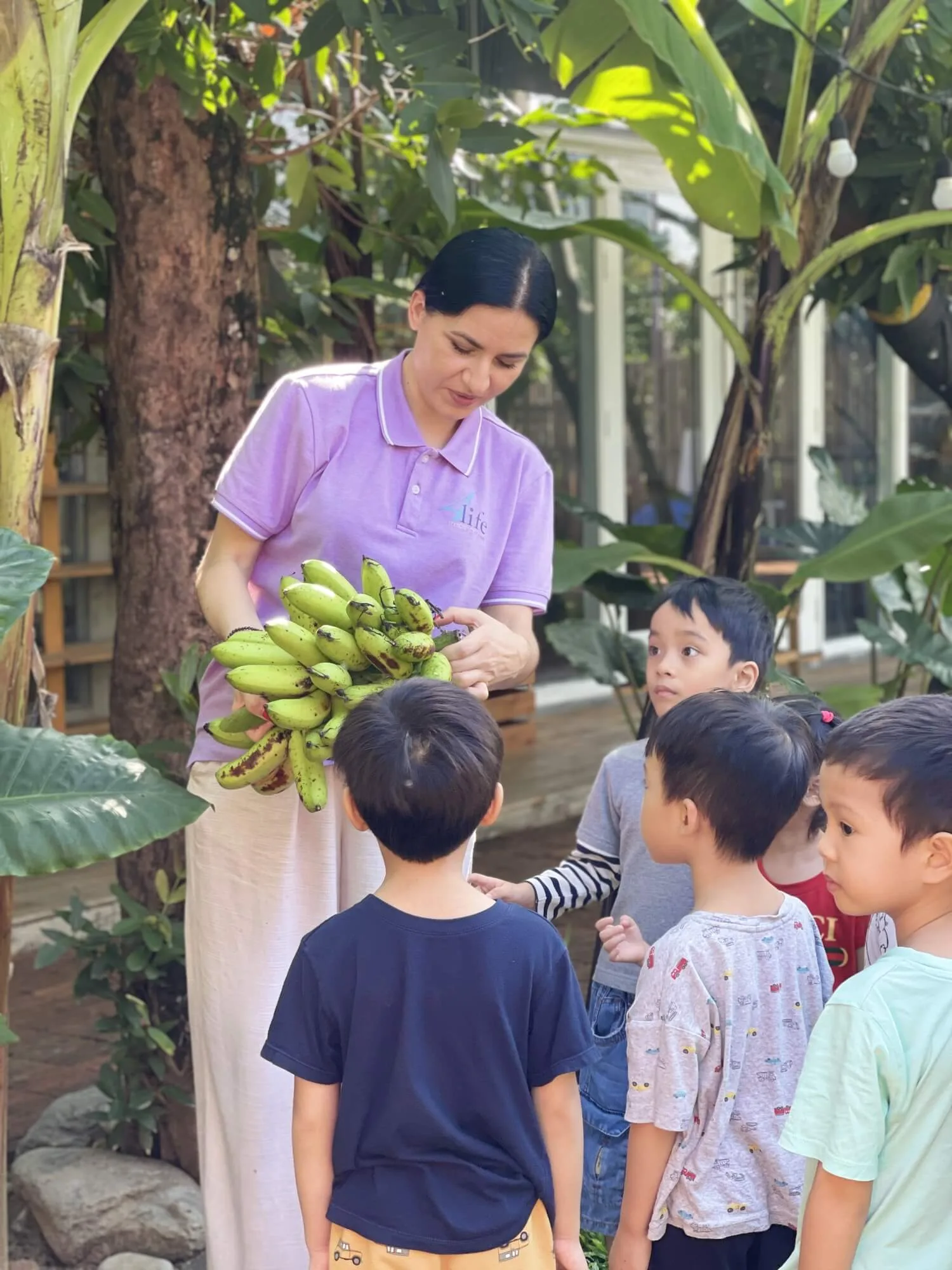
If parents only focus on outward behavior without exploring the underlying causes, they may react inappropriately. This can make children feel misunderstood. On the other hand, when parents understand their child’s psychological state, they can support their child’s growth in a more gentle and effective way.
Children Have a Rich Inner World
Many adults underestimate the thinking abilities of young children. In reality, a child’s inner world is vast and complex. Children perceive and interpret things very differently from adults.
For example, when a child observes an activity for a long time, adults may think the child is wasting time. But for the child, it can be a process of learning and discovery. They are observing, thinking, and gradually understanding how the world works.
Sometimes, children show reactions that surprise adults. For instance, a child may intentionally avoid finding the correct answer in a game just to let an adult feel successful. This reflects emotional sensitivity, but without understanding the child’s psychological state, adults may mistakenly think the child lacks intelligence. This shows that to truly understand children, parents must see them as individuals with their own thoughts and emotions.
Children Need Time to Observe and Think
Observation is one of the most important ways children learn about the world. Young children often spend a lot of time watching, listening, and sensing their surroundings. When a child stands still and observes something for a long time, it is not a sign of passivity. On the contrary, it shows deep concentration. The child is gathering information and building understanding.
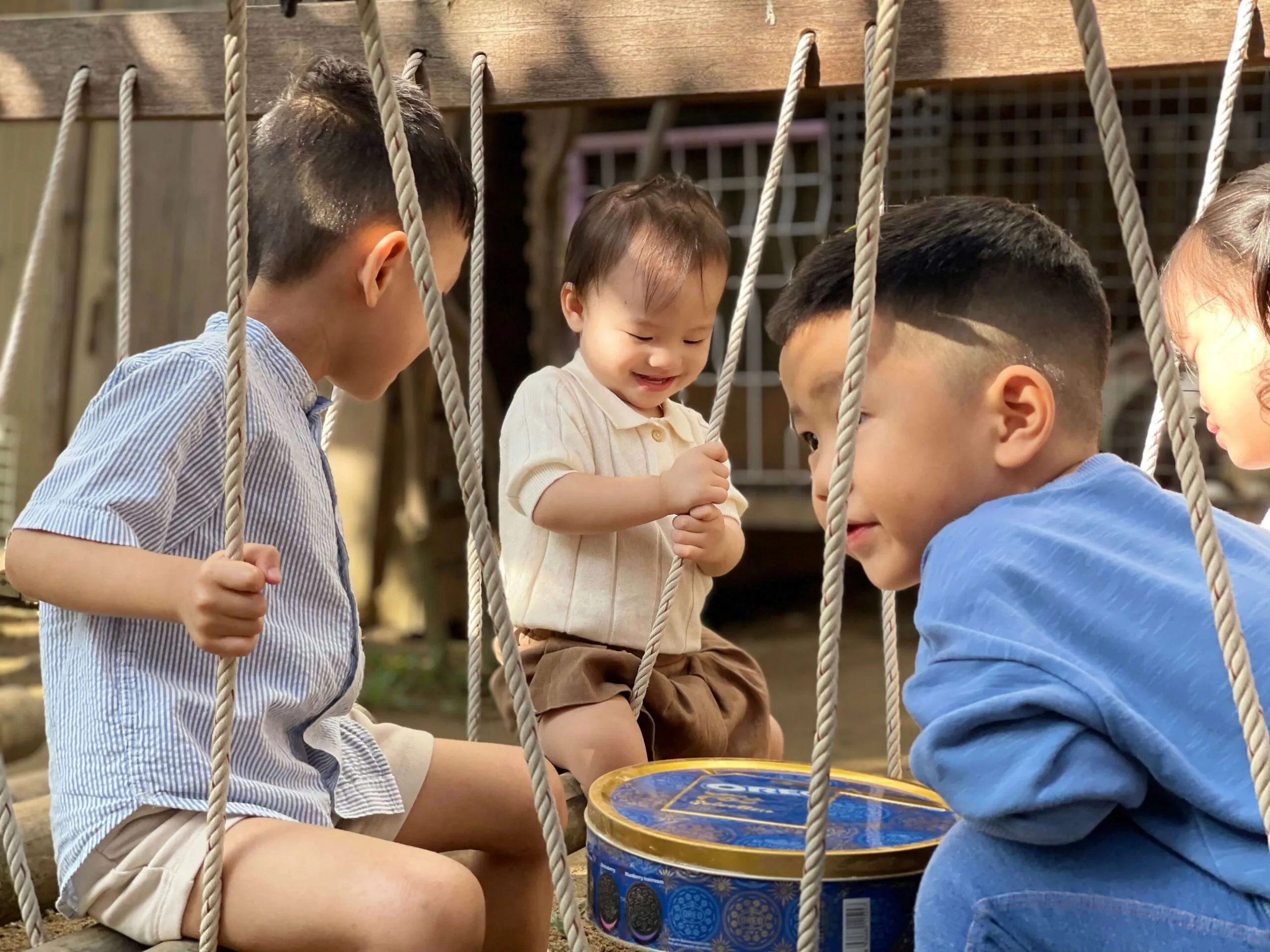
Many adults, due to impatience, tend to rush children or intervene too early. This can interrupt the child’s thinking process. Without enough time to observe and explore independently, a child’s ability to focus and think critically may be affected. Therefore, to understand a child’s psychological state, parents need to respect their child’s need for observation and reflection.
Children Develop Independence Early
One important change in a child’s development is the emergence of independence. When children begin to want to do things their own way, many parents find it difficult to manage them. In reality, this is a positive sign of growth. Independence helps children build confidence and decision-making skills. However, when a child’s will differs from their parents’ expectations, conflicts may arise.
In many cases, parents may think the child is being stubborn or defiant. But if they understand the child’s psychological state, they will realize the child is simply trying to assert themselves. When parents respect their child’s need for independence and guide them patiently, the relationship becomes more harmonious.
Love and Freedom Help Children Develop Healthily
A loving and respectful environment is essential for a child’s healthy psychological development. When children feel safe and trusted by their parents, they become more confident in exploring the world. However, love is not just about providing material care. It is also shown through listening, patience, and respect for a child’s emotions.
If parents are too controlling or impose their own views, children may feel restricted and lack freedom. This not only affects their psychological well-being but also limits their ability to become independent. In contrast, when children grow up in an environment of love and freedom, they have the opportunity to develop emotionally, intellectually, and morally.
Children Are Highly Sensitive to Adult Emotions
One remarkable trait of young children is their strong ability to sense adult emotions. Even if parents do not express it verbally, children can still detect stress, discomfort, or impatience.
As a result, when parents appear rushed or inattentive, children may respond by crying, making noise, or acting out. These reactions are actually ways for children to express their own emotions.
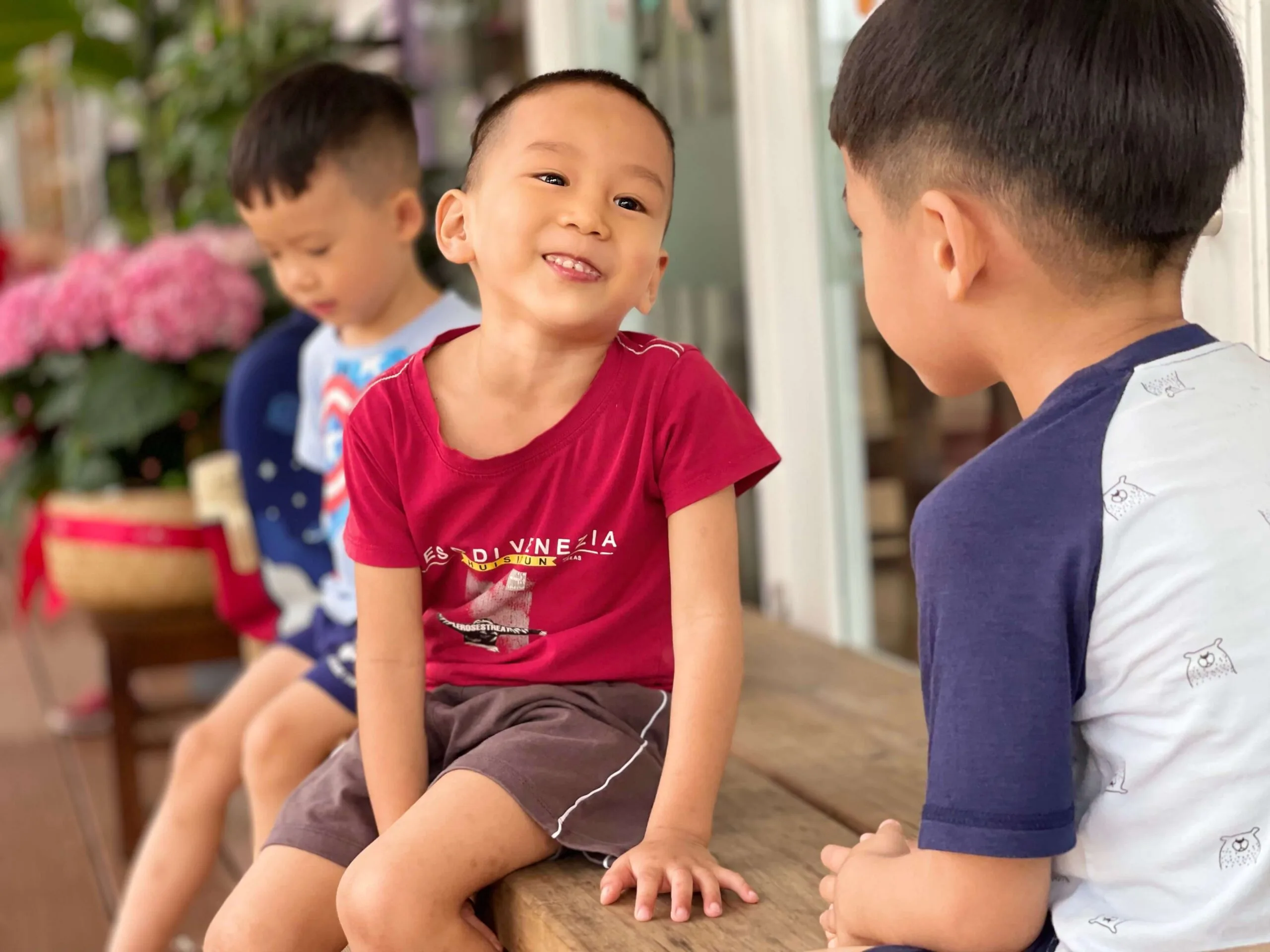
On the other hand, when parents remain calm and sincere, children can feel the love and trust. This helps them feel secure and more willing to share their thoughts. To understand a child’s psychological state, parents must not only observe their child but also be aware of their own emotions.
Understand a child’s psychological state is the key to supporting them throughout their development. When parents take time to observe, listen, and respect their child’s natural pace, they will gradually uncover their child’s deeper thoughts and emotions.
Children need not only physical care but also psychological understanding. With love, patience, and respect, understanding a child’s psychological state becomes easier. This is also the foundation that helps children develop a healthy personality, intellect, and emotional life in the future.