
The Montessori Learning Environment is one of the most important foundations of the Montessori Method. It plays a vital role in shaping children’s habits, character, and intrinsic motivation to learn. A carefully prepared environment not only supports effective knowledge acquisition but also fosters independence, concentration, and a lifelong love of learning.
In this article, 4life.edu.vn explores the core values of an authentic Montessori learning environment and explains why it plays such an essential role in children’s development. Through a deeper understanding of Montessori principles, parents and educators can gain practical insights into creating learning spaces that truly support children’s growth. Investing in a well-prepared learning environment today means building a strong foundation for children’s future success.
What is a Montessori learning environment?
A Montessori learning environment is a carefully designed space that reflects children’s natural developmental needs. Every detail within the classroom serves a purpose – from the room layout, lighting, and colors to the placement of each learning material. When children enter such an environment, they experience a sense of order, security, and inspiration to explore.
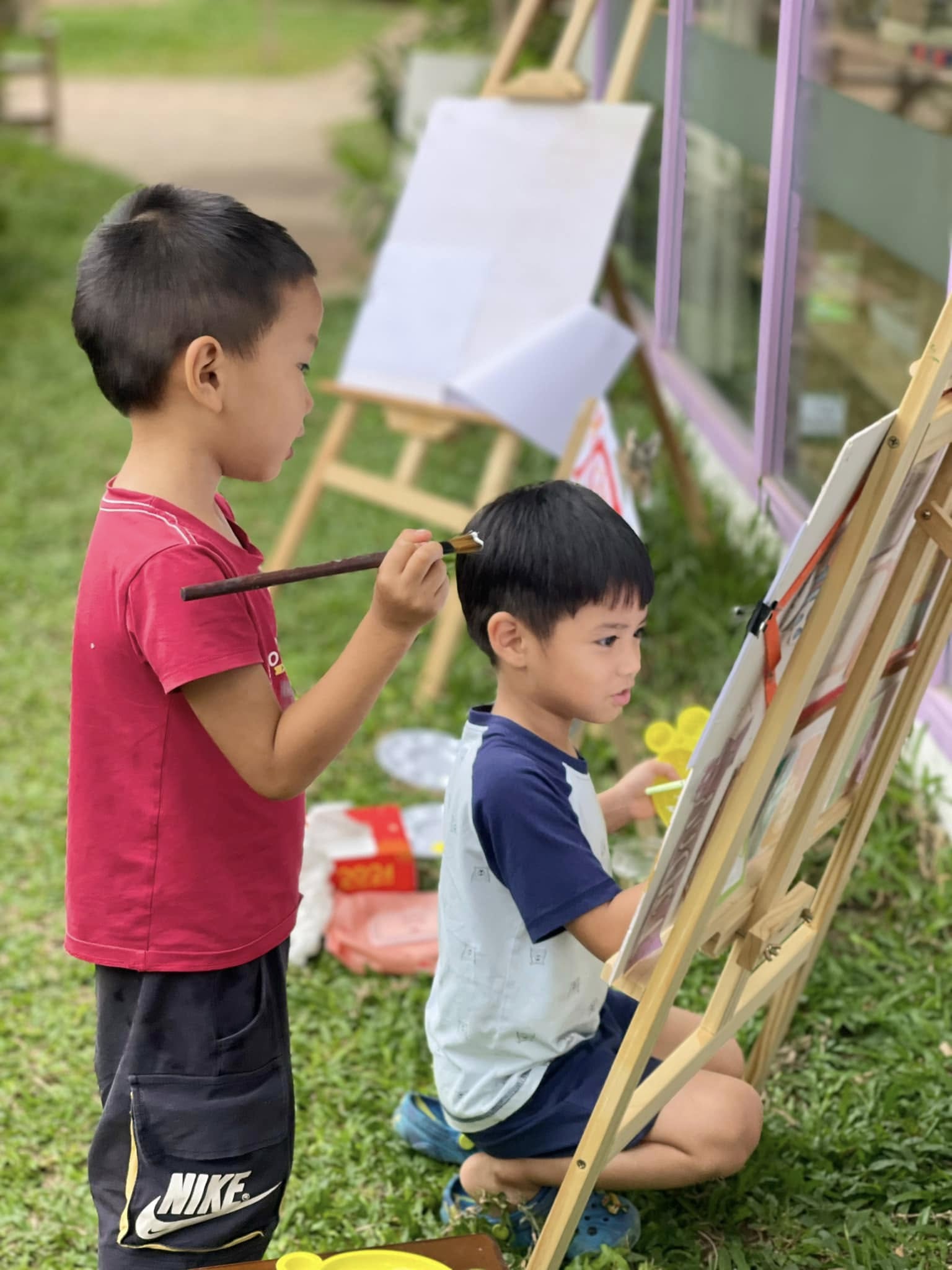
Within this setting, children are free to choose activities that match their interests and developmental needs. They learn through hands-on experiences and are encouraged to identify and correct mistakes independently through exploration and practice.
Unlike traditional educational models, the Montessori approach does not place the teacher at the center of learning. Instead, the environment itself guides children’s activities. When the environment is engaging, organized, and developmentally appropriate, children naturally gravitate toward meaningful work, repeat activities, and construct their own understanding of the world.
Why does the Montessori learning environment influence the quality of early education?
Educational research consistently shows that learning environments have a direct impact on how children think, behave, and develop habits. In Montessori education, the Montessori learning environment serves as the foundation that supports children’s natural developmental rhythm and intrinsic needs.
When children are surrounded by an environment that is carefully prepared for them, they tend to concentrate more effectively, rely less on adult intervention, and engage more actively in learning experiences.
The environment also contributes significantly to character development. Children who grow up in spaces that emphasize order, respect, and safety often become calmer, more confident, and better able to regulate their behavior. This is one reason why many early childhood education programs and families choose to invest in authentic Montessori environments rather than focusing solely on academic curricula.
Key characteristics of an authentic Montessori learning environment
Designed to match children’s size and abilities
An authentic Montessori environment is designed specifically for children. Furniture, materials, and tools are appropriately sized to match children’s physical development and capabilities.

When children can independently access learning materials, move furniture, and return items to their designated places after use, they gradually develop a sense of ownership over their environment. This experience lays the foundation for independence and self-confidence from an early age.
Order and beauty within the learning space
Order and aesthetics are essential elements of every Montessori classroom. Learning spaces are arranged neatly and clearly, minimizing distractions and creating a calm atmosphere. Soft colors, natural lighting, and a peaceful environment support concentration and focus. External order helps children develop internal order, allowing them to feel calmer, concentrate more effectively, and regulate their behavior more successfully.
Montessori materials and their organization
Montessori materials are never placed randomly. They are carefully organized according to developmental areas and presented in a logical sequence. Each material has a specific educational purpose and occupies a consistent place on the shelf, enabling children to locate and return it independently. Through working with these materials, children develop not only academic knowledge but also motor coordination, logical thinking, problem-solving skills, and perseverance.
The role of the teacher in the Montessori environment
In a Montessori learning environment, teachers do not spend most of their time delivering lectures. Instead, they focus on observing children, preparing the environment, and providing support when needed.
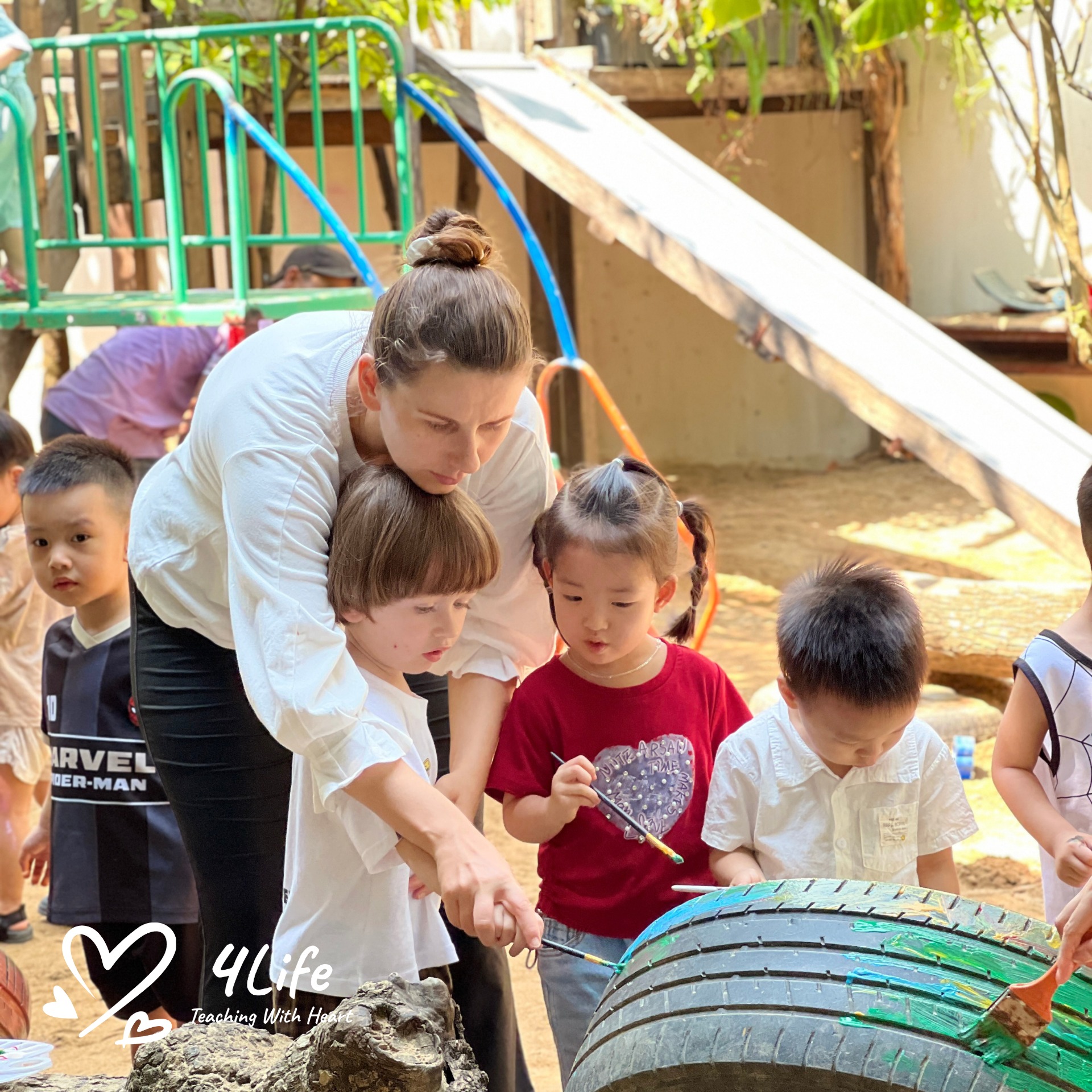
Children are allowed to work at their own pace without comparison or unnecessary pressure. This respectful approach encourages intrinsic motivation and helps children develop lasting confidence and a genuine desire to learn.
The Montessori learning environment in early childhood classrooms
In preschool settings, the Montessori learning environment extends beyond physical appearance. It is reflected in how the space supports children’s daily activities and developmental needs.
A properly prepared Montessori classroom allows children to move freely, choose activities independently, and work within an atmosphere of respect and concentration. When the environment is thoughtfully prepared, children often maintain order, focus, and enthusiasm for learning without constant reminders from adults. This harmonious balance makes the Montessori learning environment a strong foundation for intellectual, emotional, social, and practical life development during the early years.
The impact of the Montessori learning environment on child development
Fostering independence
One of the most significant benefits of the Montessori environment is the development of independence. Through everyday activities, children learn to make choices, complete tasks, and take responsibility for cleaning up afterward. As these experiences are repeated, children naturally develop self-confidence, responsibility, and a sense of capability.
Enhancing concentration
An organized environment and carefully structured learning materials help children build concentration over extended periods.
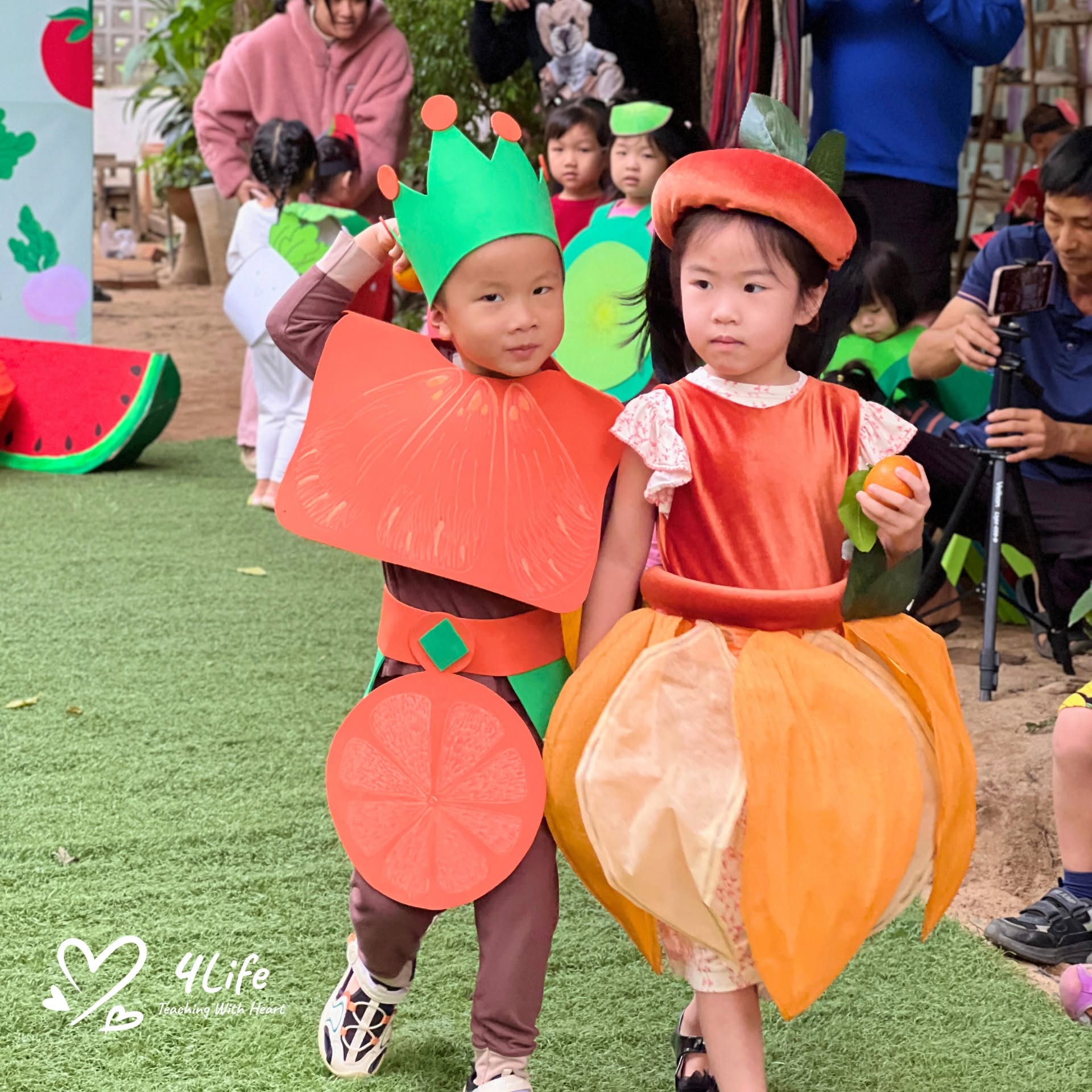
Children learn to engage deeply in activities they have chosen, persist through challenges, and regulate their own behavior. These experiences provide the foundation for self-discipline and effective lifelong learning habits.
Supporting holistic development
The Montessori learning environment promotes the simultaneous development of cognitive, physical, language, emotional, and social skills. Children learn through movement, observation, exploration, and hands-on experiences. Each successful experience contributes to greater confidence and strengthens their ability to learn independently throughout life.
Nurturing a love of learning
A well-prepared Montessori environment helps children develop a natural love of learning. They learn not because they are pressured by adults but because they are genuinely curious and motivated to explore the world around them.
When children grow and learn within an authentic Montessori environment, they gain more than knowledge. They develop effective learning habits, learn how to organize their work, make decisions independently, and take responsibility for their choices. Rather than emphasizing academic achievement alone, Montessori education nurtures independent learners – a quality that supports long-term success throughout life.
Building an authentic Montessori learning environment
Principles for creating a Montessori environment
To create an authentic Montessori environment, the space should be safe, well-ventilated, and filled with natural light. Activity areas should be clearly defined, allowing children to navigate independently and confidently. Learning materials should be age-appropriate, accessible, and consistently available for children to use. Most importantly, the environment should remain flexible and evolve according to children’s developmental needs and interests.
The connection between environment and teacher
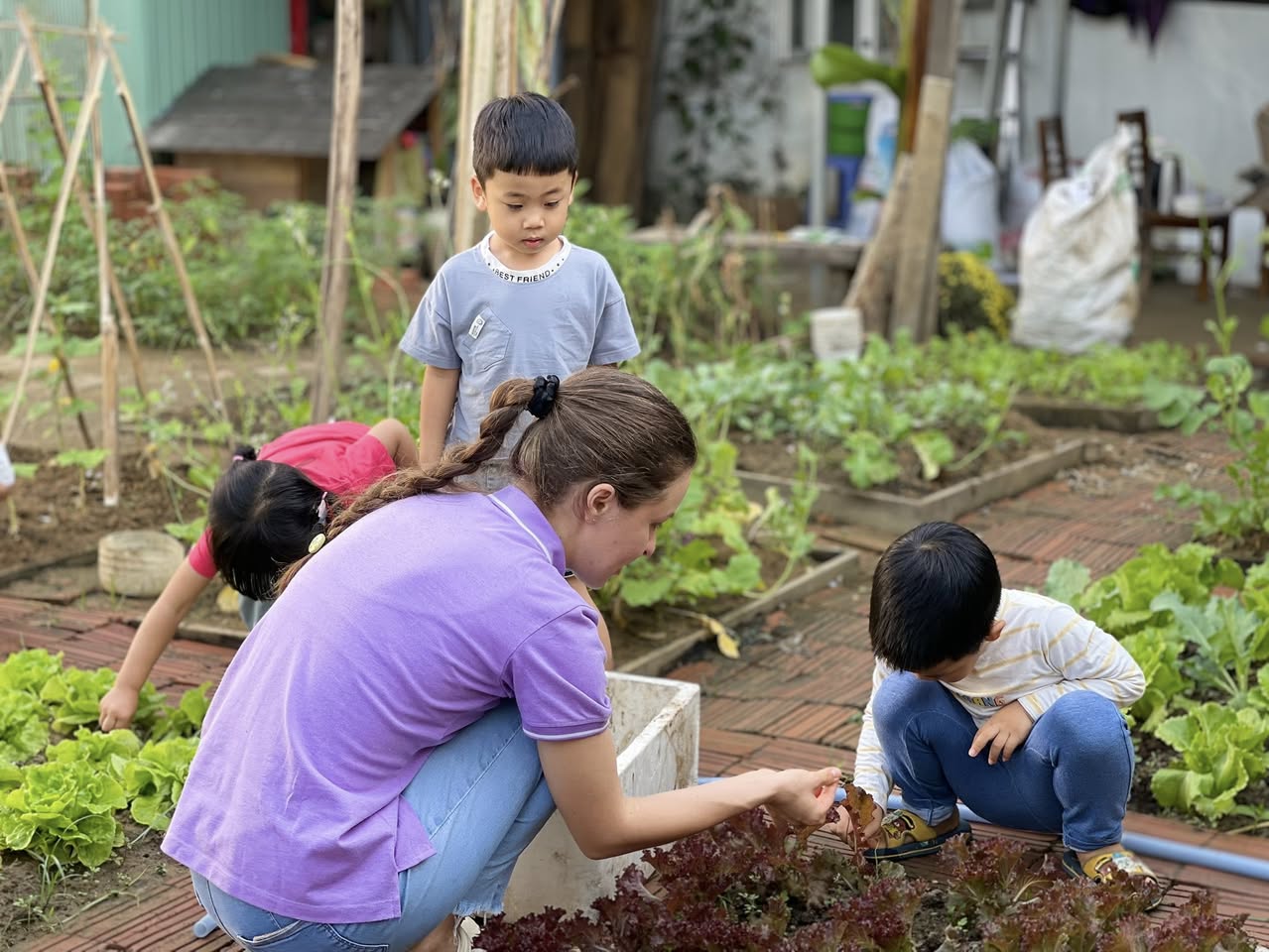
A key principle of Montessori education is understanding that the environment itself is a powerful teaching tool. When the environment is prepared effectively, children naturally become active participants in their learning. Teachers then assume the role of observer, guide, and supporter rather than director or controller.
Montessori environments at home and school
Montessori principles can be implemented not only in schools but also within the home.
When children have access to child-sized furniture, organized spaces, and opportunities to care for themselves, they naturally develop independence, responsibility, and organizational skills. Consistency between home and school environments helps children feel secure and supports stable, healthy development.
The Montessori Learning Environment is the cornerstone of Montessori education. A thoughtfully prepared environment does far more than support academic learning – it helps shape children’s character, habits, confidence, and positive attitudes toward life. By investing in a high-quality learning environment, parents and educators are making a meaningful long-term investment in children’s future growth, independence, and lifelong success.