
Respectful parenting is one of the core principles of the Montessori method and also the foundation that helps children develop strong and lasting character. When children are treated with respect, they not only feel safe and heard but also gradually develop self-discipline, self-control, and a sense of responsibility for their own choices. Instead of relying on commands, punishment, or control, Montessori encourages parents to guide their children with understanding and trust. This approach helps children develop confidence, independence, and a cooperative spirit in everyday life.
Join 4Life Education in this article to better understand why raising children with respect brings long-term benefits to a child’s development.
Respect is the foundation of Montessori education
In many traditional educational approaches, children are often seen as individuals who must obey and follow the arrangements made by adults. However, Montessori views every child as an independent individual with unique needs, emotions, and a personal pace of development. Therefore, every educational activity begins with respect for the child.
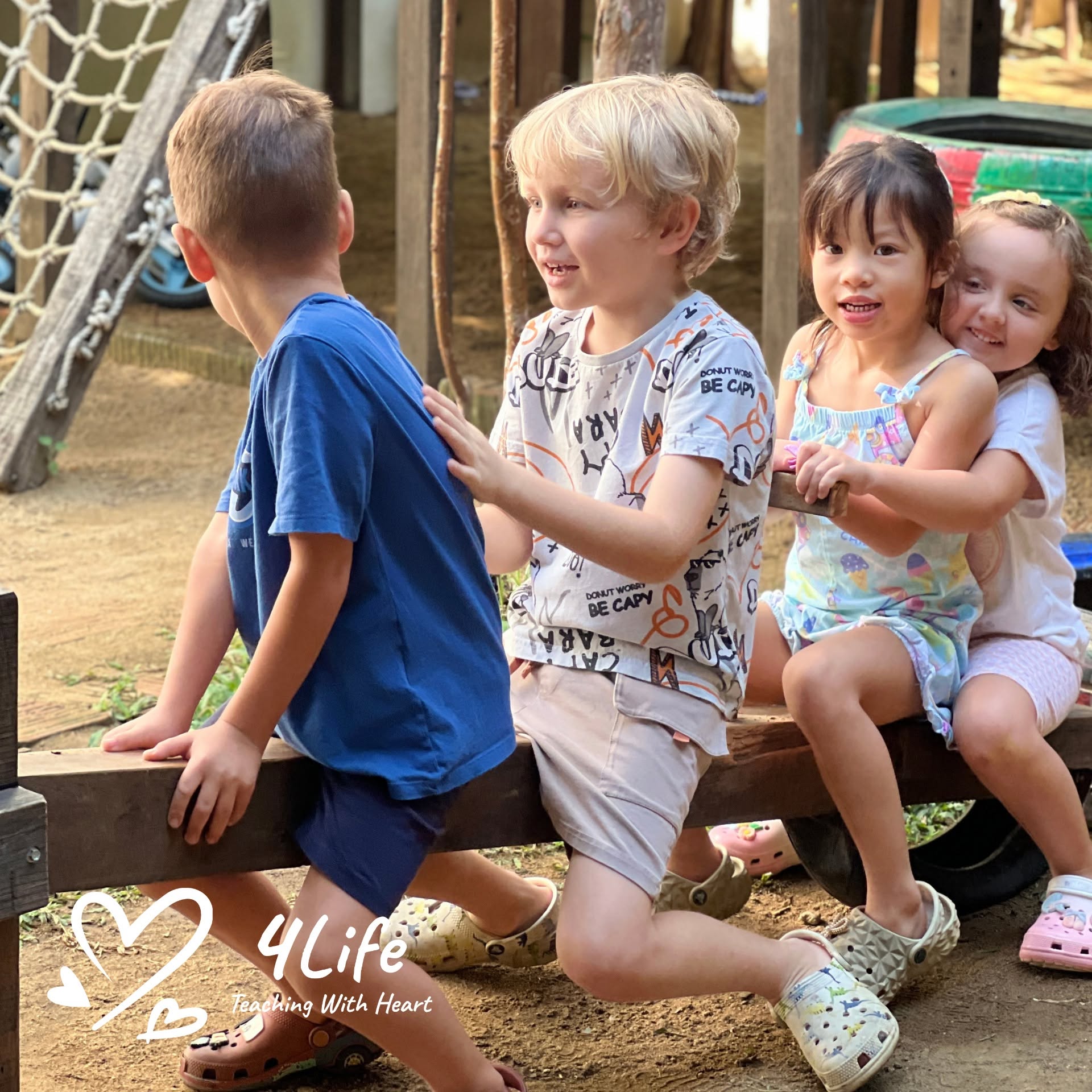
Respect does not mean giving in to every desire a child has. Instead, it means recognizing that children have the right to make choices, gain experiences, and learn through life itself. When adults trust a child’s natural ability to develop, children gradually learn to trust themselves as well. This becomes an important foundation for building confidence, independence, and responsibility from the earliest years of life.
Respectful parenting helps children develop self-esteem
Self-esteem does not appear naturally. It is built through the way children are treated every day. When adults listen to a child’s opinions, patiently wait for them to complete a task, and acknowledge their efforts instead of focusing only on the results, children begin to recognize their own value.
On the other hand, if children are frequently scolded, compared with others, or have their emotions dismissed, they can easily develop feelings of insecurity and constantly doubt their own abilities. This affects not only their learning but also their relationships as they grow older. Therefore, raising children with respect not only helps them feel loved but also nurtures self-esteem—an essential element for healthy character development.
Respect helps children develop self-discipline
One of the unique aspects of Montessori is that discipline is not built through force. Instead, children are given opportunities to make choices, gain experiences, and take responsibility for their own actions. Through this process, they gradually develop self-control from within.
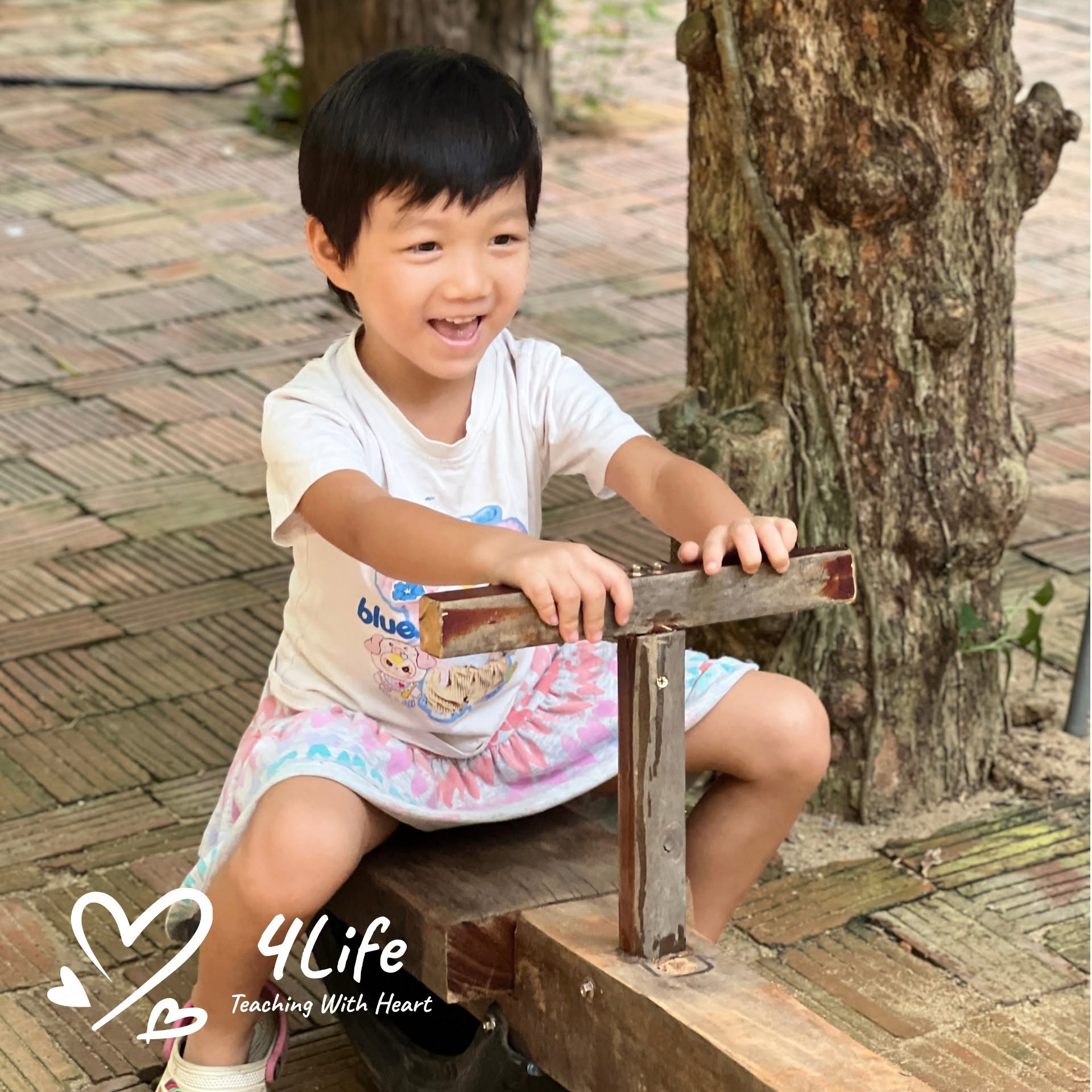
When adults respect children’s right to make choices within appropriate limits, children become more proactive in their daily activities. They no longer do things simply to avoid being reminded but begin to understand the value of doing the right thing. This forms the foundation of self-discipline and is also one of the long-term goals of the Montessori method.
Reduce control so children can develop naturally
Many parents want their children to do everything correctly, so they often give orders or make decisions on their behalf. Although this may help tasks get done more quickly, it reduces children’s opportunities to think independently and solve problems on their own.
Montessori encourages adults to create opportunities for children to carry out tasks that match their abilities. Children can choose their own clothes, put away their toys, prepare simple tasks, or try solving problems before receiving help. These experiences allow children to build confidence and develop independence at their own natural pace.
Listening to children is a form of respect
Respect is reflected not only in the way adults behave but also in their willingness to listen to children. When children share their thoughts or express their emotions, what they need first is not judgment but sincere listening.
Even when children cannot express themselves clearly or are experiencing negative emotions, adults should take time to understand the reasons instead of rushing to conclusions. When children feel heard, they learn how to express their emotions, share their difficulties, and gradually develop positive communication skills. This also strengthens the bond between parents and children throughout the growing-up process.
Respect helps children learn to respect others
Children learn a great deal by observing adults. If parents consistently speak gently, listen carefully, and treat their children with respect, children will naturally learn to treat others in the same way.
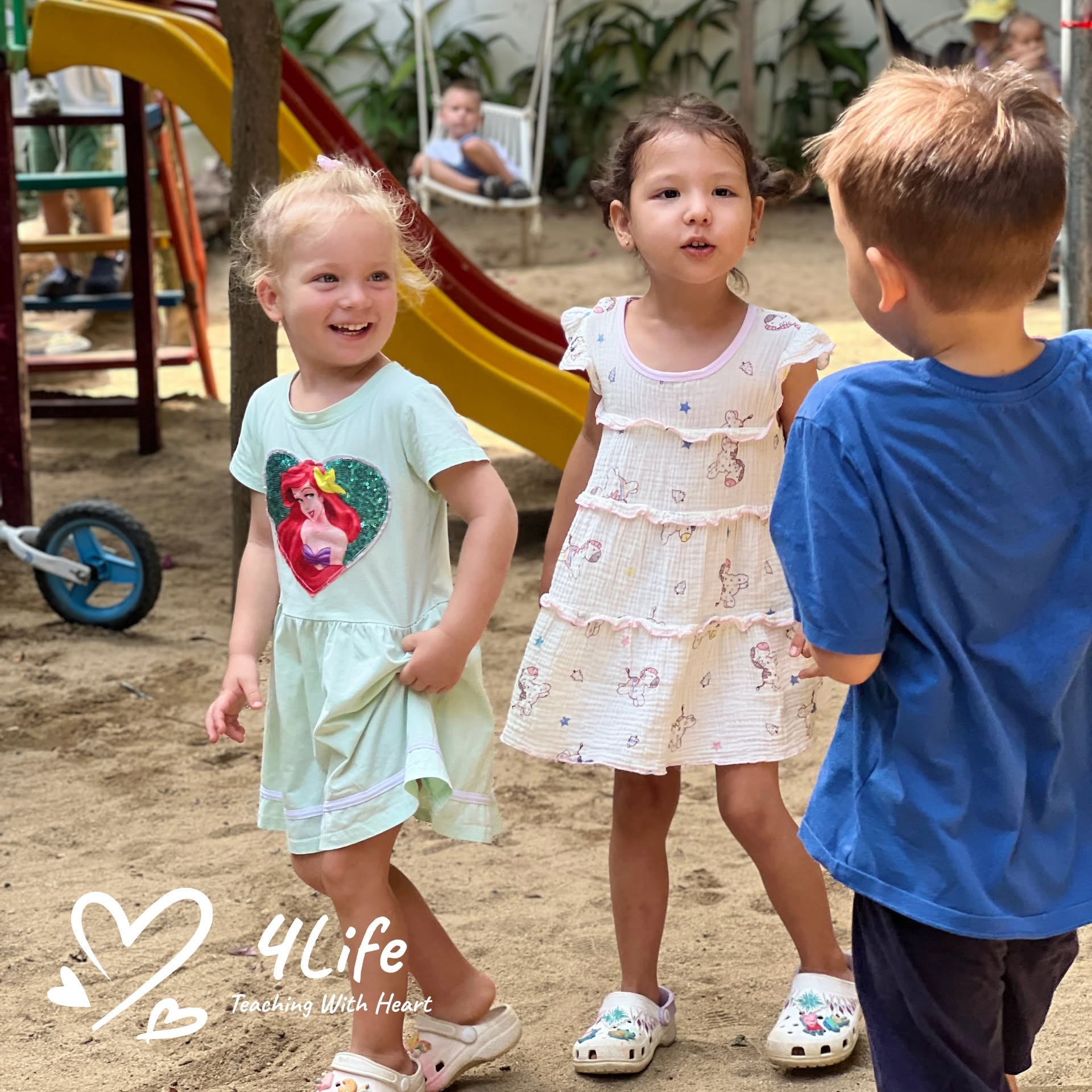
On the contrary, if children frequently witness controlling behavior, shouting, or impatience, they are likely to repeat those behaviors when interacting with friends and family members. Therefore, raising children with respect not only supports personal development but also contributes to building positive relationships within the family and society.
Do not prevent children’s spontaneous activities
According to Montessori, children naturally explore the world through action. They enjoy touching objects, experimenting, repeating activities, and discovering how things work. This natural learning process deserves respect.
If adults constantly stop children simply because they are afraid they might make a mess, spill something, or make mistakes, children may gradually lose their initiative and confidence when facing new experiences. Instead of preventing them, parents should prepare a safe environment where children can explore freely. When guidance is needed, it should be offered gently rather than doing everything for them.
Respect does not mean spoiling children
Some people worry that showing too much respect to children will make them stubborn or unwilling to listen. However, Montessori clearly distinguishes between respect and indulgence.
Respect means giving children the freedom to make choices within appropriate boundaries. Children still need to understand that certain rules cannot be broken, such as not hurting others, not damaging property, and not harming the surrounding environment. When these boundaries are established calmly and consistently, children learn how to use their freedom responsibly.
A respectful environment helps children build character
A positive learning environment is created not only through educational materials or teaching methods but also through the way adults treat children every day. When children feel respected, they become more willing to explore, challenge themselves, and are less afraid of making mistakes.
In such an environment, children learn that mistakes are a natural part of learning. They are encouraged to correct their mistakes instead of being punished for them. This helps children develop perseverance, confidence, and the ability to overcome challenges. These are all essential qualities for well-rounded development.
Adults need to change before expecting children to change
If adults want children to respect others, they must first become examples of respectful behavior themselves. This is reflected in the way they speak, listen, and respond when children make mistakes.
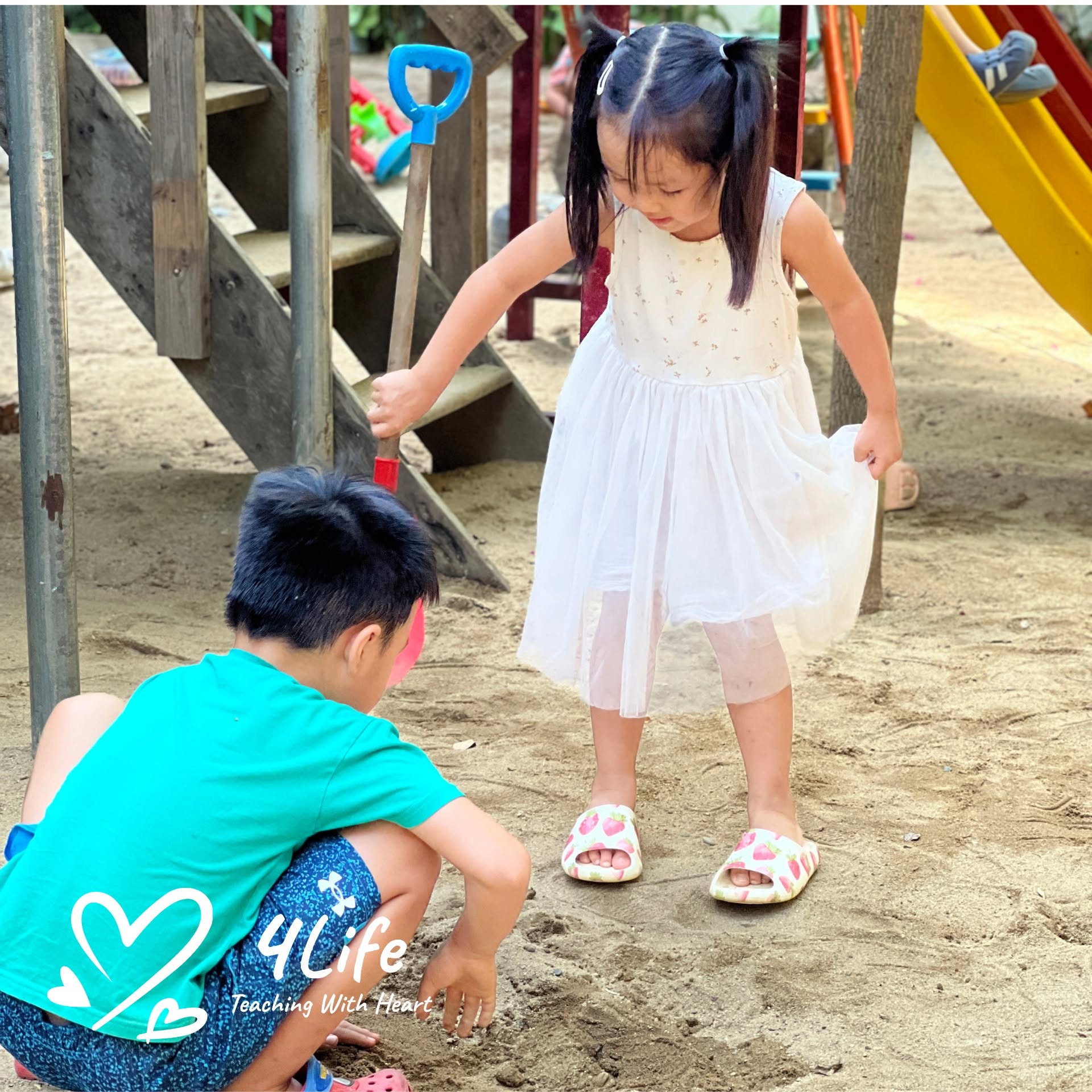
Instead of shouting, calmly guide them. Instead of giving orders, explain so they can understand. Instead of doing everything for them, create opportunities for them to do things on their own. These small changes in the way adults support children can make a significant difference in their development. When adults change the way they educate, children will gradually change in positive ways as well.
Respectful parenting brings long-term value
The lessons children learn through respect are valuable not only during childhood but throughout their entire lives. A child who grows up in a respectful environment is often confident in expressing opinions, willing to take responsibility for actions, and capable of building healthy relationships.
At the same time, children learn to respect differences, cooperate with others, and resolve conflicts calmly instead of reacting with anger. These are all important life skills for school, work, and future relationships. Therefore, choosing to raise children with respect is a lasting investment in their character development.
Respectful parenting is not only a principle of the Montessori method but also a way to nurture children’s character, self-esteem, and independence from the earliest years of life. When parents listen, trust, create opportunities for children to experience life, and guide them with patience, children gradually develop self-discipline, responsibility, and natural growth. The greatest value of raising children with respect is not that children become obedient immediately, but that they grow into confident, independent individuals who respect themselves and those around them.