
Teaching children self-discipline instead of forcing obedience is an educational approach that many parents value when they hope their children will grow into confident, responsible individuals with strong self-control. However, in reality, many adults still unintentionally rely on commands, control, or punishment in the hope that children will become more obedient and disciplined.
According to the Montessori method, self-discipline is not developed through pressure but through freedom, respect, and real-life experiences. When children are trusted, given choices, and allowed to learn from their own actions, they gradually learn to regulate their behavior without needing constant reminders from adults. Join 4Life Education in this article to gain a deeper understanding of teaching children self-discipline instead of forcing obedience and the common mistakes parents should avoid throughout the parenting journey.
Why forcing children does not help them become self-disciplined?
Many parents believe that if they want their children to be disciplined, they need to manage them closely, establish numerous rules, and expect absolute obedience. In some cases, this approach may produce immediate results because children are afraid of being scolded or punished. However, such obedience comes only from external pressure rather than from the child’s own willingness.
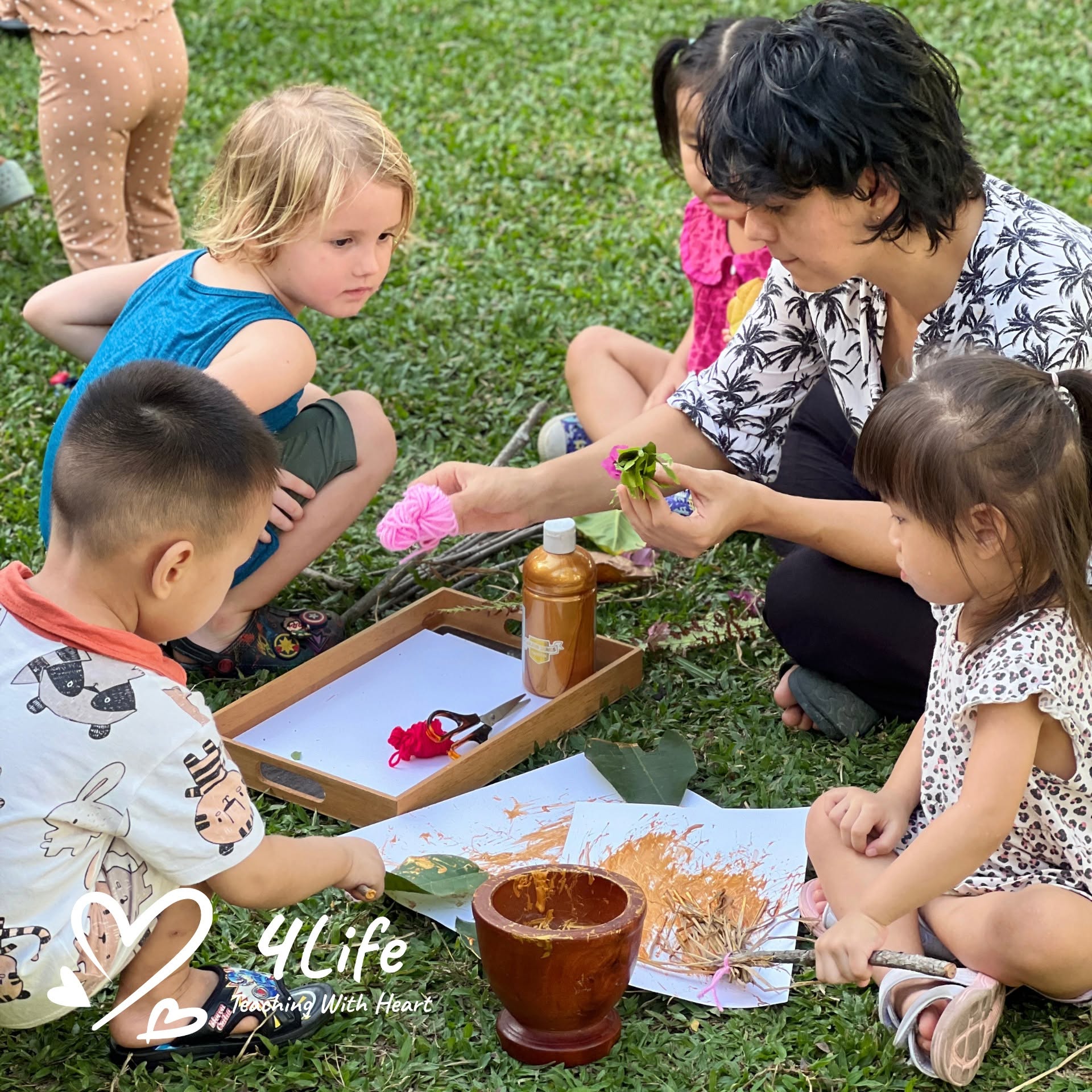
When every action is controlled, children gradually develop the habit of waiting for adults to remind or instruct them. Without someone supervising them, they may not know what they should do or may simply follow their temporary emotions. This makes it difficult for children to develop decision-making skills and a sense of responsibility. Therefore, if the goal is to help children become independent, teaching children self-discipline instead of forcing obedience is far more effective in the long term than controlling them through commands.
The mistake of believing that obedience means self-discipline
A child who always follows adults’ instructions is not necessarily a self-disciplined child. Many children complete tasks simply because they want praise or wish to avoid criticism and punishment. Once those external motivations disappear, they also lose the desire to continue doing the right thing.
According to Montessori, self-discipline develops only when children understand why they need to do something and choose to do it without depending on adult control. This is the fundamental difference between obedience and self-discipline. Obedience is a response to someone else’s demands, while self-discipline is the result of awareness and internal self-regulation. Parents need to recognize this difference in order to choose the most appropriate way to support their children.
Children need choices to learn responsibility
One of the most important principles of Montessori education is giving children the freedom to make choices within appropriate limits. When children can decide which activities they want to do, they become more motivated and engaged in both learning and everyday routines.
Having choices also means learning to take responsibility for those choices. If children choose a task, they are more likely to complete it. When they encounter difficulties, they learn to find solutions instead of waiting for adults to do everything for them. Through repeated experiences like these, children gradually develop independence and learn to think carefully before making decisions. This forms an essential foundation for self-discipline.
Do not stop children from exploring
Young children naturally want to understand the world by touching objects, experimenting, observing, and repeating activities they enjoy. This is their instinctive way of learning and an important process for developing thinking skills, practical abilities, and concentration.
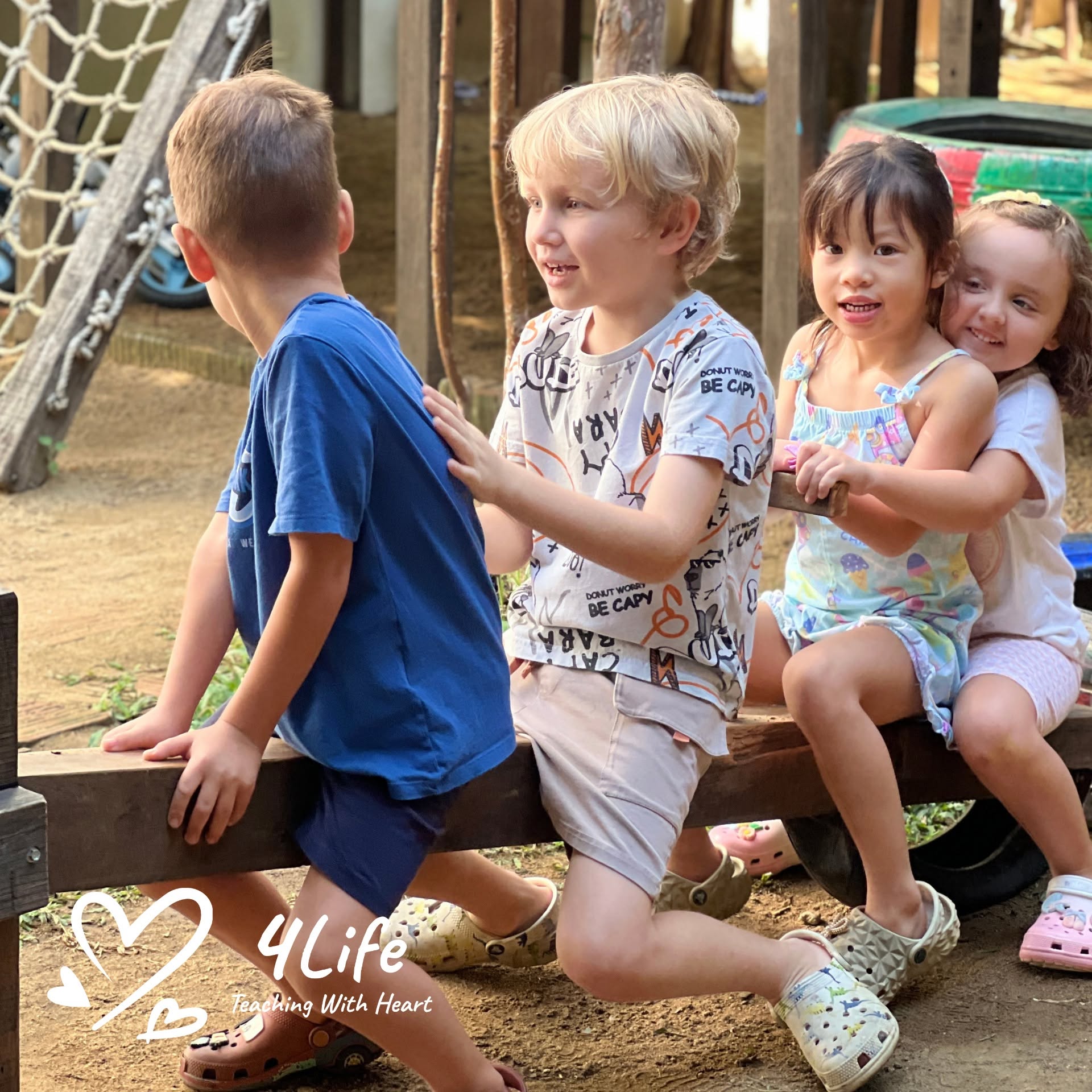
If adults constantly stop children because they are afraid they will make a mess, break something, or waste time, children may gradually become afraid to try new things. Instead of exploring, they will wait for instructions or ask for permission before doing anything. As a result, their initiative gradually disappears. Therefore, teaching children self-discipline instead of forcing obedience also means creating opportunities for them to explore in a safe and suitable environment.
Punishment only creates temporary fear
Many parents choose punishment as a way to help children remember their mistakes. However, Montessori believes that when children behave correctly only because they fear punishment, they do not truly understand the value of appropriate behavior. What they remember most is often the feeling of anxiety and pressure.
Instead of using punishment, parents should allow children to learn from the natural consequences of their actions. If they spill water, they clean it up. If they drop something, they pick it up themselves. If they hurt someone else, they learn to apologize and make amends. These experiences help children understand the connection between actions and consequences, allowing them to regulate their own behavior without being forced.
Respect is the first step toward self-discipline
Children cannot learn to respect themselves if their opinions are constantly dismissed or if they are always forced to accept other people’s ideas. On the other hand, when adults genuinely listen to and acknowledge them, children feel valued and become more willing to cooperate in everyday life.
Respect also means giving children enough time to complete tasks without rushing to do everything for them or constantly correcting every mistake while they are trying. When children feel trusted by their parents, they become more motivated to overcome challenges independently. This is one of the core values that the Montessori method emphasizes throughout child development.
The environment influences children’s self-discipline
A well-prepared environment enables children to perform many daily activities independently. When materials and belongings are organized neatly and placed within children’s reach, they can take them, use them, and put them away after finishing their work.
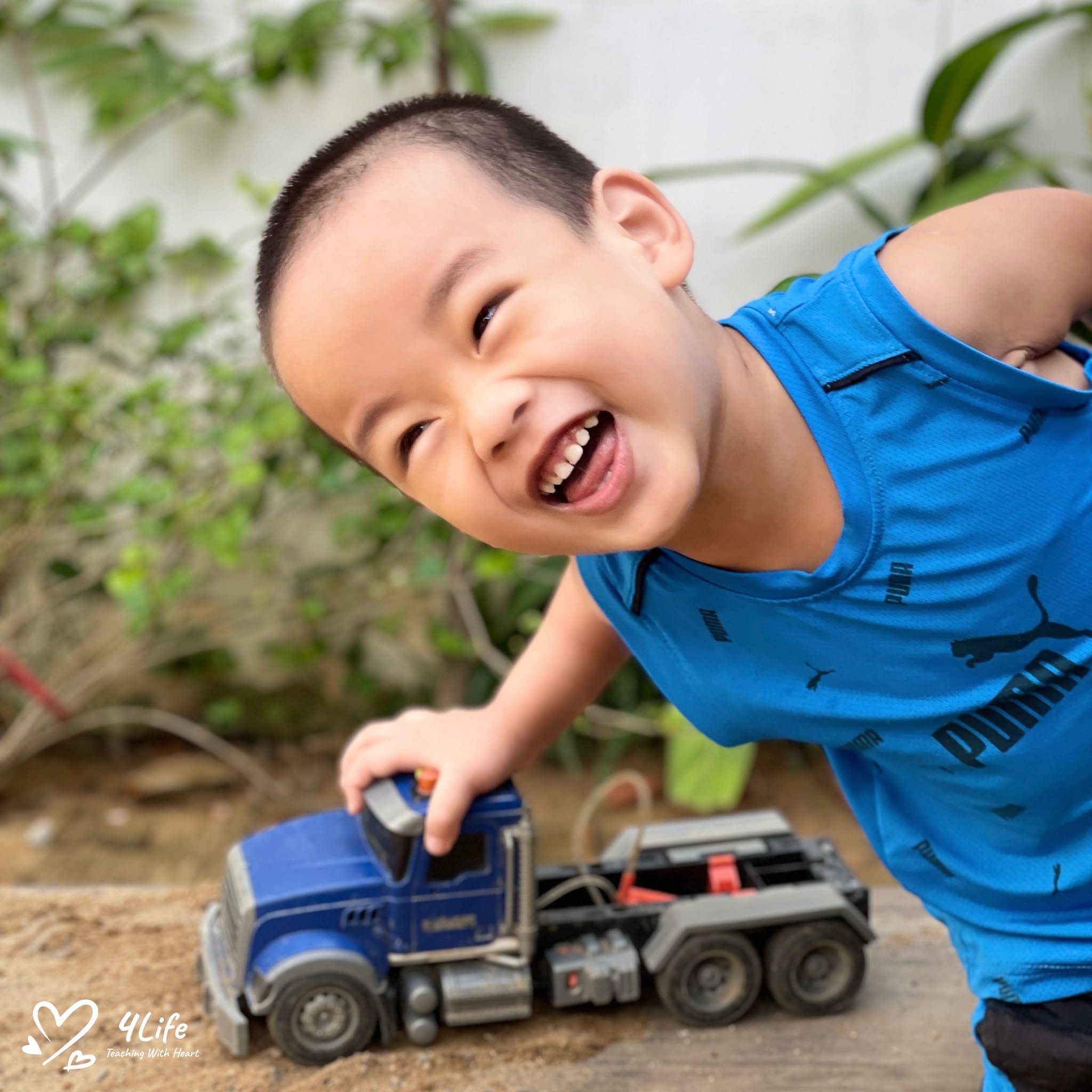
At the same time, the environment should remain orderly and peaceful so that children have opportunities to concentrate. When children are able to work continuously without unnecessary interruptions, their ability to focus gradually becomes stronger. This concentration helps children develop the habit of completing tasks and gradually build genuine self-discipline from within.
Adults should guide instead of doing everything for children
Because they want their children to finish tasks quickly, many parents develop the habit of doing things on their behalf. Although this saves time, it also takes away valuable opportunities for children to learn and develop important skills.
Montessori encourages adults to become careful observers who provide support only when necessary. When children encounter difficulties, allow them to try different solutions before offering assistance. Sometimes, a small hint is all they need to discover the answer themselves. Successfully overcoming challenges on their own builds confidence and encourages them to remain proactive in future situations.
Patience is essential
Self-discipline does not develop within a few days or weeks. It is the result of a long process built through repeated daily experiences. Therefore, parents need to remain patient and trust in their children’s natural development.
There will be times when children forget to put things away, fail to complete a task, or make mistakes. Instead of reacting with criticism, view these moments as valuable learning opportunities. Every time children correct their own mistakes, they take another step toward self-mastery. The patience parents demonstrate today will become a strong foundation for their children’s future growth.
Self-discipline is the result of freedom and responsibility
Montessori believes that genuine discipline is not created through control but through each individual’s ability to regulate themselves. When children are given freedom within appropriate limits, they gradually understand that every action comes with responsibility. This is how children learn to balance their own desires with respect for others.
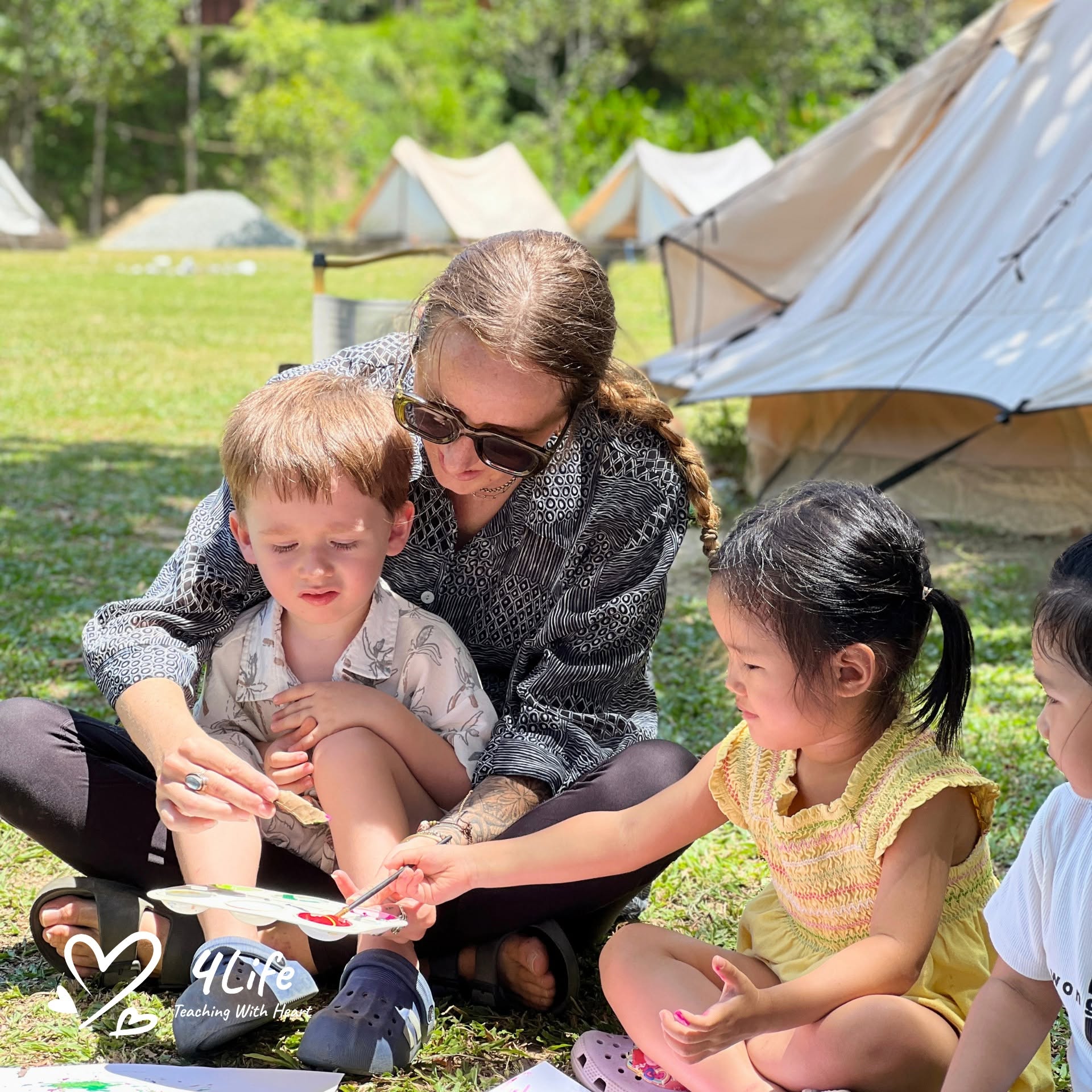
Self-discipline is nurtured day by day as children make their own choices, gain their own experiences, correct their own mistakes, and complete their own tasks. These seemingly small moments in everyday life gradually shape an independent, responsible character. This is also the lasting value that the Montessori method aims to cultivate.
Teaching children self-discipline instead of forcing obedience does not mean giving them unlimited freedom. Instead, it means creating opportunities for them to make choices, gain experiences, and learn to take responsibility for their own actions. When parents replace control with trust, respect, and appropriate boundaries, children gradually develop the ability to regulate their own behavior naturally. This provides a strong foundation for independence, confidence, and well-rounded character. Therefore, choosing to teach children self-discipline instead of forcing obedience is a sustainable way to help children grow into responsible individuals who can confidently manage themselves.