
The first six years of life shape a child’s character foundation and are considered one of the most important stages in human development. During this period, children do not only learn how to speak, walk, or recognize the world around them, but they also begin forming emotions, personality traits, thinking abilities, and ways of interacting with others. Everything a child observes, experiences, and feels each day deeply influences the person they will become in the future.
If children grow up in an environment filled with love, respect, and freedom to develop naturally, they are more likely to build emotional stability and a healthy personality. On the other hand, excessive control, impatience, or a lack of parental companionship may prevent children from developing naturally. Let’s explore this topic together in this article on 4life.edu.vn.
Why are the first six years so important?
The first six years of life are the period when children develop most rapidly in terms of brain function, emotions, and awareness. During this stage, children naturally absorb everything from their surroundings through observation and experience. Many adults believe that young children are too small to understand things. However, children are actually very sensitive to the way adults treat them. The words, attitudes, and emotions of parents directly affect a child’s psychology.

The first six years of life shape a child’s character foundation because this is the time when children begin developing a sense of security, self-confidence, and self-worth. The experiences children go through during these years silently follow them throughout their lives. When parents truly understand the importance of early childhood, raising a child becomes more than just caregiving – it becomes a journey of companionship and character building.
Children learn through daily observation
Young children do not mainly learn through lectures or instructions. Instead, they learn by observing the world around them. They watch how parents speak, behave, and react in different situations, then naturally imitate those behaviors. When adults often become angry, impatient, or controlling, children gradually develop similar reactions. In contrast, when children grow up in a calm, loving, and respectful environment, they tend to develop healthier emotional responses.
There are many moments when children stand still for a long time simply observing something. Adults may think the child is slow or distracted, but in reality, the child is processing information and thinking deeply. The first six years of life shape a child’s character foundation because every action from adults during this period becomes a “life lesson” for the child.
Love helps children feel safe
A child who receives genuine love feels valuable and protected. This becomes the first foundation for building a healthy personality. Love is not measured by how many material things parents provide, but by their presence and companionship. When parents listen to their children, spend time playing with them, and respect their emotions, children feel a deep emotional connection.
Many parents truly love their children but are often too busy. Even when physically beside their child, their minds may still be occupied with work or other pressures. This can make children feel lonely and emotionally neglected. During the first six years of life, children do not need perfect parents. What they need most is loving presence, patience, and emotional connection.
Freedom helps children develop naturally
Young children need freedom within appropriate boundaries in order to develop independence and discover themselves. When children are allowed to make choices, explore, and make mistakes, they learn how to think independently and take responsibility. On the contrary, when adults constantly control everything, children gradually lose confidence and the ability to make decisions on their own. A child who only knows how to obey is not necessarily emotionally mature.

Sometimes children resist or insist on doing things their own way not because they are stubborn, but because they are developing a sense of independence. This is a natural developmental process that parents need to understand. The first six years of life shape a child’s character foundation because this is when children begin learning how to become themselves through freedom and experience.
Parents’ patience greatly affects child development
Raising young children requires a great deal of patience. Children need time to adapt, observe, and understand situations before they can cooperate with adults. When children feel scared or unprepared, forcing them may create emotional wounds.
In contrast, when adults give children time to observe and gently explain things, children feel safer and more respected. Many parents want everything to happen quickly because of busy schedules. However, children cannot develop at the speed of adults. Patience allows children to feel respected, and this plays a very important role in building confidence and emotional stability.
Early experiences strongly affect children’s emotions
Young children remember emotions more deeply than words. Even small experiences in early childhood can leave lasting emotional effects. When children are frequently scolded, controlled, or forced, they may develop fear, anxiety, and low self-confidence. On the other hand, when children are encouraged and respected, they are more likely to build positive emotional well-being.
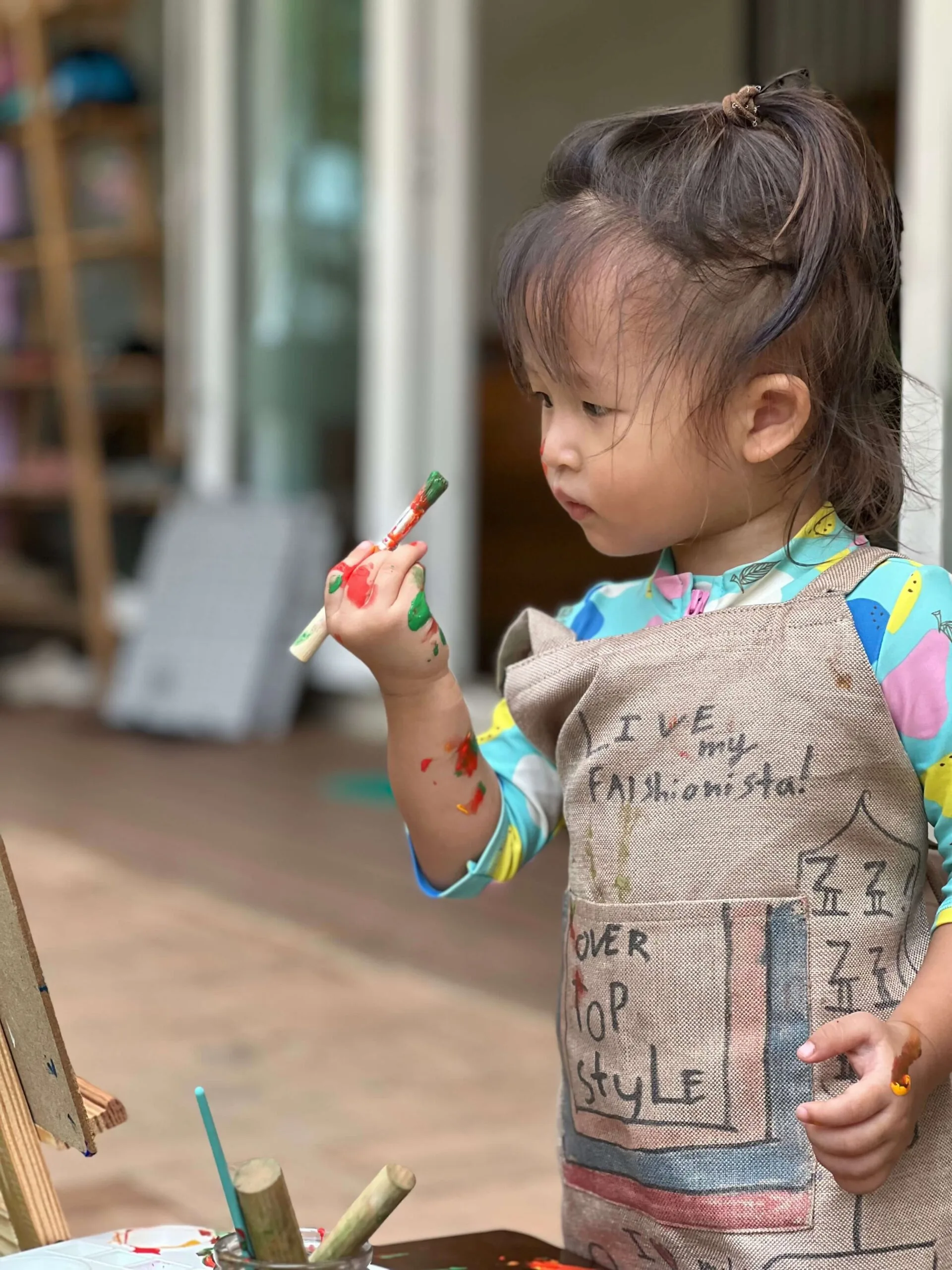
There are situations adults consider normal that may feel frightening to a child. This is why parents need to learn how to see the world from their child’s perspective. The first six years of life shape a child’s character foundation because this is the period when children are developing their understanding of the world and themselves.
Children need time to think and grow
Many children can spend long periods simply observing an object or an activity. This is not slowness – it is natural concentration. Young children need time to think and connect their experiences internally. When adults constantly rush or interrupt children, this natural developmental process can easily be disrupted.
Observation is the foundation of thinking and creativity. A child who develops strong observation skills is often better able to learn and explore the world later in life. Parents should understand that every child develops at their own pace and should not be forced to grow faster than their natural abilities allow.
Character is built through small everyday moments
Character is not formed through long lectures but through everyday life experiences. The way parents talk to their children, listen to them, or react when children make mistakes all influence personality development. When children are treated with respect, they learn how to respect others. When they receive sincere love, they also learn how to love.

On the other hand, children who constantly live in stressful environments or have their emotions dismissed may become withdrawn or resistant. The first six years of life shape a child’s character foundation because children absorb emotions and behaviors from their surroundings very strongly during this stage.
Parents also grow alongside their children
The journey of raising children does not only help children grow – it also helps parents learn and mature. By spending time observing and accompanying their children, parents gain a deeper understanding of emotions, patience, and the true values of life. Many people later regret being too busy and missing the precious early years of their child’s life. This is a period that can never be repeated.
During the first six years of life, what children need most is the presence of their parents. Simple daily moments such as talking, playing, and listening to children carry tremendous meaning. A happy child often grows up from simple things filled with love, patience, and genuine companionship.
The first six years of life shape a child’s character foundation not only as an educational concept but also as a reality clearly reflected in natural child development. This is the stage when children build emotions, thinking abilities, observation skills, and ways of interacting with the world around them. When children grow up in an environment filled with love, patience, and freedom to develop naturally, they are more likely to build a strong character foundation for the future. The first six years of life shape a child’s character foundation because every experience during this stage quietly influences the person the child will become later in life.